
Why Does an Automatic Watch Stop When You Don't Wear It?
An automatic watch stops when the energy stored inside its mainspring runs out. Unlike a battery-powered watch, it depends on movement or manual winding to maintain that energy.
This is normal and usually doesn't mean your watch is broken. If your automatic watch stopped after sitting on a dresser for a couple of days, it probably needs winding.
Understanding why this happens, how to restart your watch, and which warning signs deserve attention can help you avoid unnecessary repairs.
Why Does an Automatic Watch Stop When You Don't Wear It?
An automatic watch stops because its movement uses mechanical energy stored in a tightly wound mainspring. When you wear the watch, a rotating component called the rotor helps replenish that energy.
Once you remove the watch, the rotor no longer receives movement from your wrist. The mainspring continues releasing its stored energy until it can no longer power the movement.
Eventually, the balance wheel stops oscillating, and the hands stop moving.
For many traditional automatic watches, this happens after roughly 1.5–2 days without additional winding. Watches with longer power reserves can run considerably longer.
Stopping does not damage a healthy automatic movement. The watch simply needs energy to resume operating.
How the Automatic Winding System Works
Automatic watches use a mechanical winding system that responds to wrist movement.
Within the movement, a weighted rotor rotates as your wrist moves. A series of gears transfers this motion to the mainspring, which stores the energy needed to drive the watch.
The gear train transfers energy to the escapement and balance wheel, which regulate timekeeping.
Most modern automatic watches also allow manual winding through the crown.
A slipping mechanism in the mainspring assembly prevents excessive winding once the spring reaches its intended tension.
For a closer explanation, read how a rotor winds the mainspring.
How Power Reserve Runs Down and Why It Runs Out Sooner Than Expected
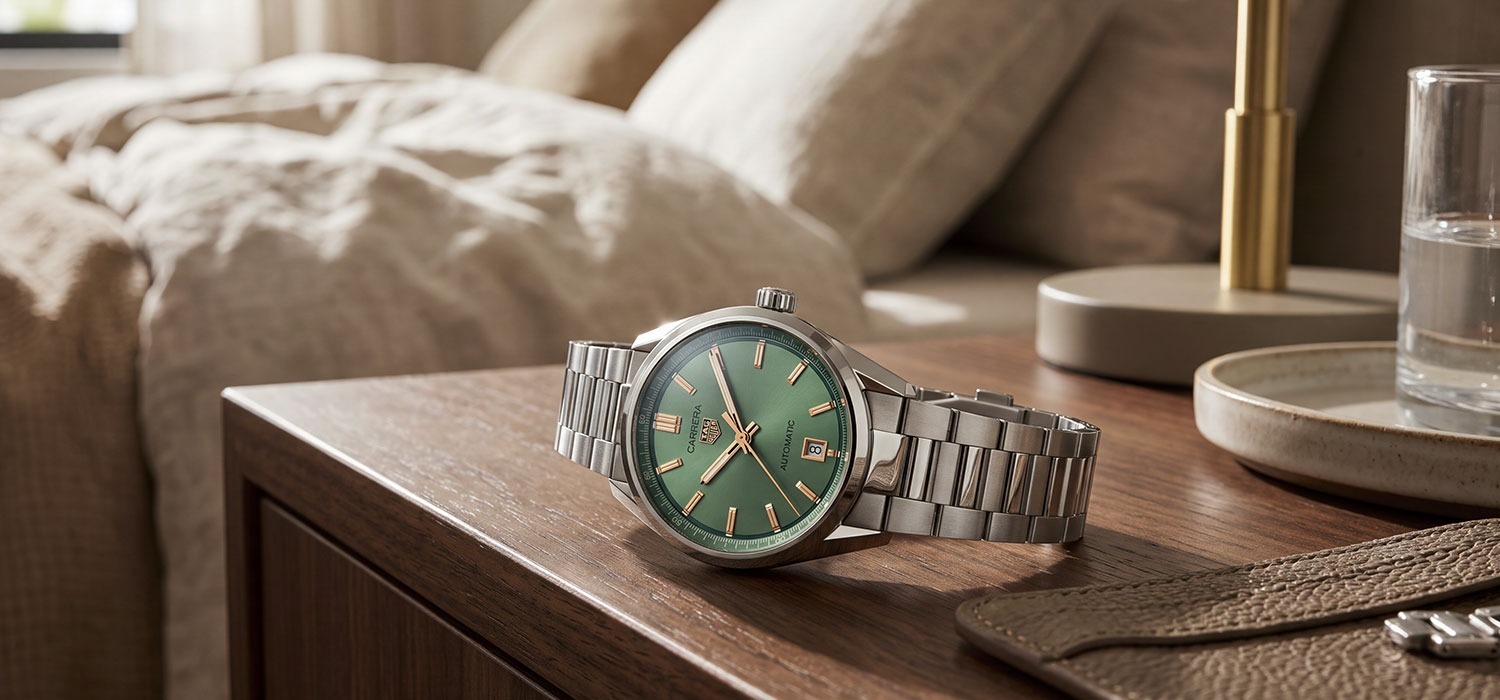
An automatic watch's power reserve is the amount of time a fully wound movement can operate without additional winding.
However, the advertised reserve assumes the mainspring starts fully wound.
Consider an automatic watch with a stated 41-hour power reserve.
You wear it during a quiet workday, spending most of your time sitting at a desk. Because your wrist moves relatively little, the rotor may not fully replenish the energy consumed throughout the day.
When you remove the watch that evening, it might have substantially less than 41 hours remaining.
If the remaining reserve is low, the watch could stop overnight.
This explains why an automatic watch sometimes stops sooner than its specifications suggest.
Winding performance also varies between movements, while age, friction, and mechanical condition can influence actual running time.
Is It Normal for an Automatic Watch to Stop?
Yes. An automatic watch stopping after a period without wear is expected behavior.
The important distinction is whether it stops because the mainspring has run down or because something is preventing the movement from operating correctly.
Normal Stopping vs. Signs Worth Checking
|
What Happened |
What It Usually Means |
What to Do |
|
Stops after 1–3 days unworn |
Stored energy has run out |
Wind, set, and wear |
|
Stops overnight after a quiet day |
Mainspring was partly wound |
Top up by winding |
|
Stops overnight after an active day |
May have insufficient reserve or a problem |
Fully wind and monitor |
|
Stops repeatedly while worn |
Insufficient winding or possible fault |
Check the crown and seek inspection if repeated |
|
Stops and restarts randomly |
Possible mechanical issue |
Have it inspected |
|
Stops after a knock or getting wet |
Possible impact of moisture damage |
Seek prompt inspection |
Why Does My Automatic Watch Stop Overnight?
Overnight stopping commonly occurs when the watch has not accumulated enough energy during the previous day.
A partially wound movement can continue running for several hours before stopping.
Try manually winding the watch according to its manufacturer's instructions and monitoring its performance.
If it repeatedly stops overnight despite adequate winding and normal activity, professional inspection may be appropriate.
How to Restart an Automatic Watch
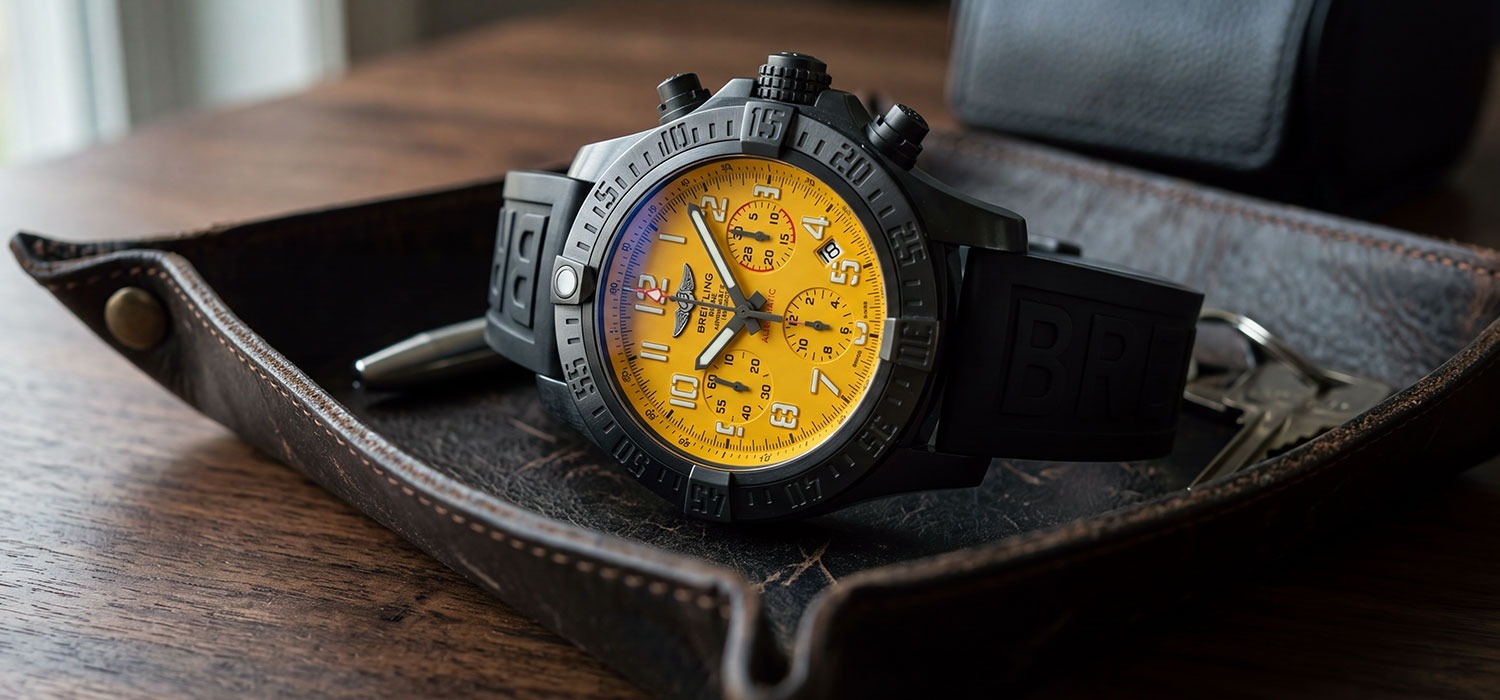
If your automatic watch stopped working after being left unworn, restarting it is usually straightforward.
How to Manually Wind an Automatic Watch
- Prepare the crown. If the watch has a screw-down crown, gently unscrew it. Keep the crown in its normal winding position, following your model's instructions.
- Wind the mainspring. For movements that support manual winding, turn the crown in the specified direction, commonly clockwise. Approximately 20–40 gentle turns can provide a useful starting wind, depending on the movement.
- Set the time. Pull the crown to the appropriate time-setting position and move the hands to the correct time.
- Correct the date or day. Use the specified crown position. Avoid quick-setting calendar displays during the restricted hours identified in your manual, commonly late evening through early morning.
- Secure the crown. Push it fully inward and screw it down if applicable. Wear the watch normally to maintain winding.
Some older automatic movements cannot be manually wound. These watches need gentle movement or regular wear to restart.
Avoid vigorous shaking. It provides limited winding and is unnecessary.
Also, some movements feature hacking seconds, meaning the seconds hand stops when the crown enters the time-setting position. This is normal.
When Stopping Could Indicate a Problem
If your automatic watch keeps stopping despite adequate winding and regular wear, the behavior deserves closer attention.
Possible warning signs include:
- Frequent stopping while worn: The watch stops even after sufficient manual winding and normal wrist activity.
- Unusually short running time: The movement consistently stops much sooner than its expected reserve after a full wind.
- Intermittent operation: The second hand stops and starts unpredictably.
- Recent impact or moisture exposure: Problems begin after the watch is dropped, struck, or exposed to water.
- Noticeable changes in performance: Unusual rotor noises or significant timekeeping errors accompany the stopping.
Potential causes include worn mechanical components, degraded lubrication, crown or winding-system problems, magnetism affecting the hairspring, and moisture intrusion.
These symptoms do not establish a particular diagnosis.
When Should You Seek Professional Service?
Have the watch inspected if repeated winding fails to resolve the issue, or if stopping begins after physical damage.
Many mechanical watches benefit from servicing at approximately 5-year intervals, although certain modern manufacturers recommend longer intervals.
Service history is especially important when choosing a pre-owned watch.
You can also review service costs and frequency, or consult the Inventory Adjusters' watch repair page for service information.
How to Keep an Automatic Watch Running
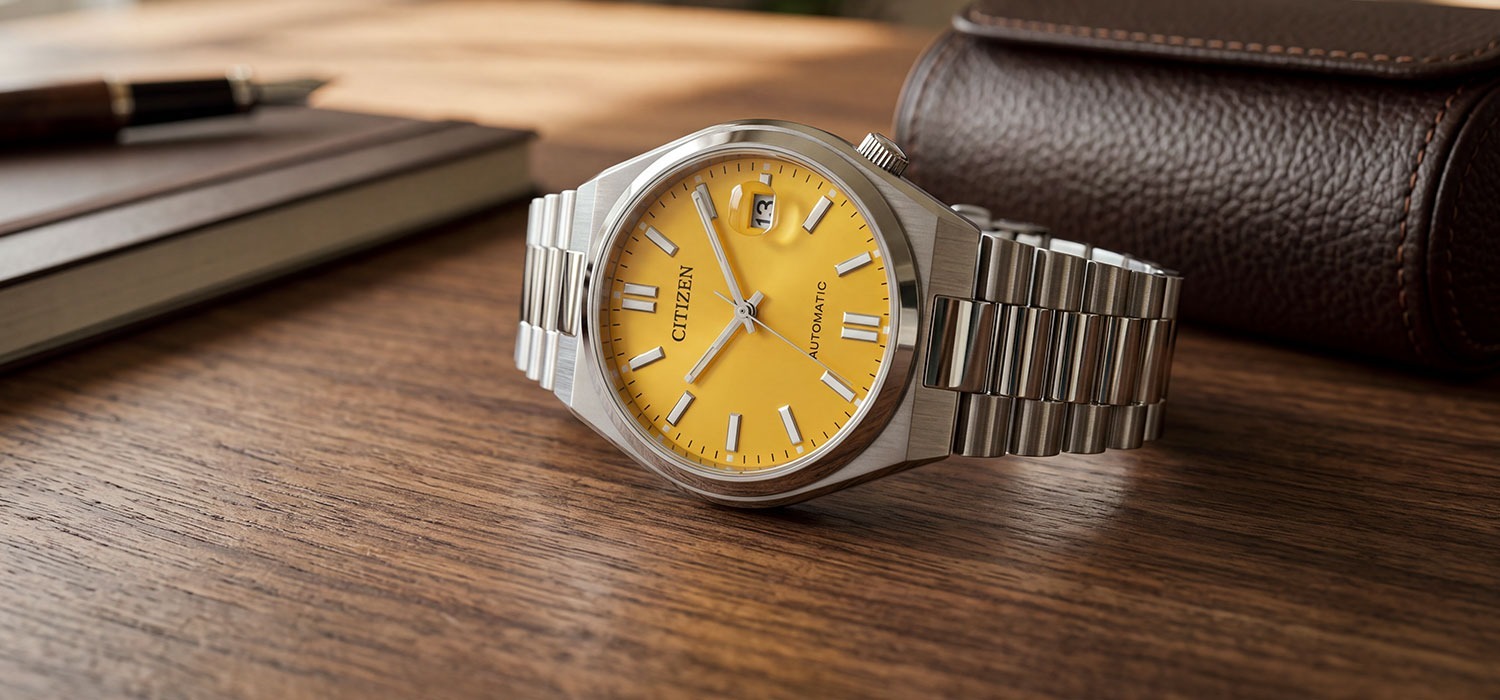
You don't need to wear an automatic watch constantly, but a few habits can reduce the risk of unexpected stops.
Wear it regularly. Daily wrist movement helps replenish energy. Eight to twelve hours of wear is sometimes suggested as a general guideline, but winding depends on your activity and the particular movement.
Wind it when necessary. If the watch has been sitting unused, manual winding can provide sufficient energy before you put it on.
Store it carefully. Keep it away from strong magnets, excessive moisture, and extreme temperatures. Follow these tips for storing watches away from magnets and moisture.
Consider a watch winder. Winders can be convenient for watches with complicated calendar settings, although they are generally unnecessary for simple automatic watches.
Consider a longer power reserve. Some modern movements offer approximately 70–120 hours of running time, making them practical for people who rotate watches.
Frequently Asked Questions
1. Can You Overwind an Automatic Watch?
Most modern automatic movements use a slipping bridle that prevents the mainspring from being excessively tightened during normal winding. Nevertheless, always follow the manufacturer's instructions and avoid forcing the crown.
2. Do You Have to Wind an Automatic Watch?
Not necessarily. Regular wrist movement powers the automatic winding system. Manual winding is useful when restarting a stopped watch or adding energy after limited activity.
3. How Often Should You Wind an Automatic Watch?
There is no universal schedule. Regularly worn watches may need little manual winding. Watches used occasionally may benefit from winding before wear.
4. Does an Automatic Watch Stop If You Don't Move Enough While Wearing It?
Yes. Limited wrist movement may not generate enough energy to replace what it consumes, causing the watch to stop despite being worn.
5. Do Quartz Watches Stop the Same Way?
No. Most conventional quartz watches use batteries rather than mechanical mainsprings. Learn more about quartz, automatic, and mechanical movements.
Wrapping Up
An automatic watch stopping after several days unworn is usually normal. Its stored energy has simply run out.
Wind the watch, reset its displays, and resume wearing it. If it repeatedly stops despite adequate winding, consider having it professionally inspected.
Browse Inventory Adjusters' men's watches and women's watches to compare automatic models and their features.
Newest Guide & Blog Updates

How to Tell If a Watch Has Sapphire Crystal
If you are wondering how to tell if a watch has a sapphire crystal, online advice can be confusing....

Is Sapphire Crystal Worth Paying More For?
You are comparing two similar watches. One uses mineral glass, while the other has sapphire crystal...

Watch Crystal Types Explained: Sapphire, Mineral, and Acrylic
A watch crystal does more than protect the dial. It influences how your watch looks, how easily it...

Why Does an Automatic Watch Stop When You Don't Wear It?
An automatic watch stops when the energy stored inside its mainspring runs out. Unlike a battery-po...

How Long Can an Automatic Watch Run Without Being Worn?
Most automatic watches run for approximately 38–42 hours without being worn, or roughly a day and a...

What Is Power Reserve on a Mechanical Watch?
When shopping for a mechanical watch, you may notice specifications such as "38-hour power reserve"...