
The Hidden Costs of Owning a Watch- Maintenance, Servicing, and Longevity
A watch may appear to be a one-time purchase, but its actual cost continues long after checkout. Batteries lose power, seals deteriorate, bracelets loosen, crystals become damaged, and mechanical components need periodic cleaning and lubrication. Even a well-made timepiece can become expensive when routine watch maintenance is ignored.
The total cost of ownership includes watch servicing, component replacement, storage, cleaning, water-resistance testing, and unexpected watch repair costs. These expenses vary according to the movement, construction, condition, age, and frequency of use.
Understanding long-term expenses before buying helps you compare watches more fairly. A lower-priced watch may cost more over time if it regularly needs repairs. A better-built model may remain dependable for years with basic watch care.
When purchasing a watch, consider not only its initial price but also its likely maintenance requirements, repairability, and expected lifespan.
What Are the Hidden Costs of Owning a Watch?
Watch ownership costs include maintenance, servicing, repairs, storage, and component replacement throughout the timepiece's life. Some expenses are predictable, while others appear after accidental damage, water exposure, or years of wear.
Common ownership expenses include-
- Routine watch servicing
- Watch battery replacement
- Gasket and seal replacement
- Water-resistance testing
- Crystal replacement
- Crown or stem repairs
- Bracelet adjustment
- Strap replacement
- Movement cleaning and lubrication
- Protective storage
- Insurance for higher-value watches
Preventive watch maintenance is usually less expensive than correcting damage caused by neglect. Replacing an aging gasket, for example, is generally simpler than repairing a movement affected by moisture.
The provider also influences the final cost of the watch service. A manufacturer-authorized center may use original components and factory testing methods. An independent watchmaker may offer other repair options or pricing.
Before approving work, ask what the quoted price includes. Testing, replacement parts, polishing, return shipping, and service warranties may be charged separately.
How Different Types of Watches Affect Ownership Costs
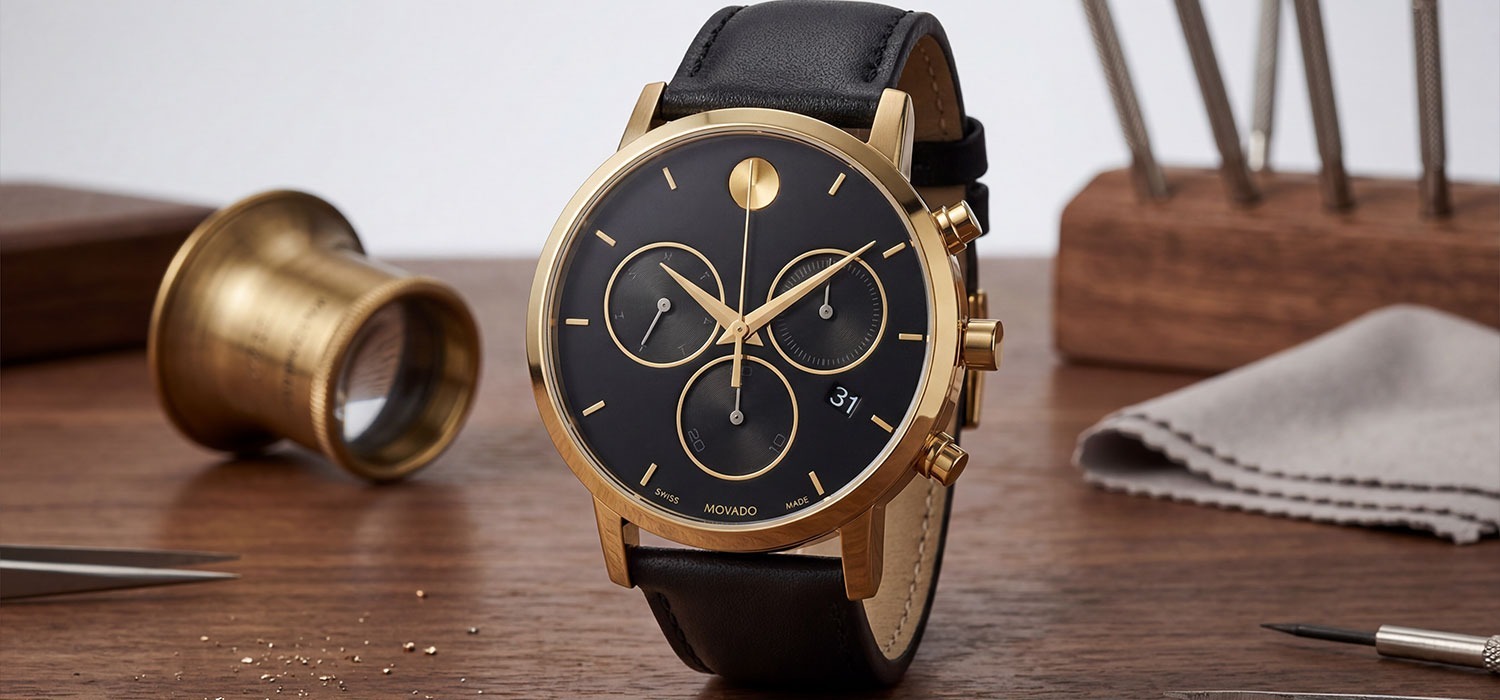
Different types of watches have different long-term needs. The movement is one of the most important factors, although complications, materials, water resistance, and parts availability also affect ownership costs.
Quartz watches
Quartz watches use batteries and electronic movements. They usually require battery changes, seal inspections, and occasional repairs. Their movements contain fewer service-sensitive mechanical parts, so they are often less expensive to own.
A quartz watch should not be left with a dead battery for a long period. Battery leakage can corrode the movement, turning a low-cost replacement into a more serious repair.
Automatic watches
Automatic watches use wrist movement to wind a mechanical mainspring. They contain numerous gears, springs, pivots, and other parts that depend on suitable lubrication.
These watches often require more involved servicing than quartz models. Movement disassembly, cleaning, lubrication, adjustment, and replacement of worn components can increase labor costs.
Manual mechanical watches
Manual watches must be wound through the crown. They do not contain an automatic winding rotor, but their mechanical components still require periodic attention.
Improper winding, worn crown components, and aging lubricants can affect operation.
Solar watches
Solar watches use light to charge an internal power cell. They may reduce the need for routine battery changes, but rechargeable cells and electronic components can still deteriorate.
Leaving a solar watch in darkness for extended periods may cause it to lose its charge or affect the cell’s performance.
When comparing the main types of watches, quartz and solar options usually have lower routine ownership costs. Automatic and manual watches generally need more specialist labor.
How Watch Movement Types Influence Maintenance
The main watch movement types are quartz, automatic, manual mechanical, and solar. Each movement operates differently and creates a different maintenance schedule.
Quartz movement care
Quartz watch maintenance normally includes replacing the battery, examining the movement, checking the seals, and testing water resistance when appropriate.
Quartz watches are known for their accuracy and convenience. However, a replacement battery will not solve problems caused by corrosion, damaged coils, worn gears, or electronic faults.
Automatic movement care
Automatic watch maintenance can include-
- Full movement disassembly
- Cleaning of internal parts
- Replacement of worn components
- Application of suitable lubricants
- Reassembly and adjustment
- Accuracy testing
- Gasket replacement
- Water-resistance testing
Changes in timekeeping, reduced power reserve, unusual rotor sounds, difficult winding, or unexplained stopping can indicate that an automatic watch needs attention.
Manual movement care
Manual mechanical watches require many of the same services as automatic models. Careful winding is also important. Forcing the crown after the mainspring is fully wound may damage internal parts.
Solar movement care
Solar movements need regular access to light and may eventually require rechargeable-cell service. Their electronic components can also become difficult to replace once a model is discontinued.
Of the common watch movement types, automatic and complicated mechanical movements usually require the most maintenance. Quartz and solar movements often have lower routine costs, although parts availability can affect future repair options.
Why Watch Materials Affect Longevity and Repair Costs
Watch materials influence scratch resistance, impact resistance, weight, corrosion, comfort, and repair difficulty. They also determine whether a damaged part can be refinished or must be replaced.
Stainless steel
Stainless steel is widely used because it is strong, corrosion-resistant, and generally repairable. Light surface marks can sometimes be refinished, although repeated polishing may soften the original case edges.
Titanium
Titanium is lighter than steel and comfortable for extended wear. It can develop surface marks, and refinishing may require a technician familiar with the material and its finish.
Ceramic
Ceramic is highly resistant to ordinary scratches and provides a smooth appearance. However, a hard impact can chip or crack it. Damaged ceramic parts usually need replacement rather than polishing.
Gold
Gold resists corrosion but is softer than stainless steel. It can scratch and dent more easily, and substantial repairs may need specialist metalwork.
Watch crystals
Sapphire crystal is highly scratch-resistant and is often used on durable watches. Mineral crystal scratches more easily but may cost less to replace. Acrylic is softer, though light scratches can sometimes be polished.
The best watch materials depend on where and how the watch will be worn. Buyers looking for durable watches should assess the entire construction, including the crown, crystal, bracelet, clasp, seals, and movement.
Understanding Watch Service Cost and Service Intervals
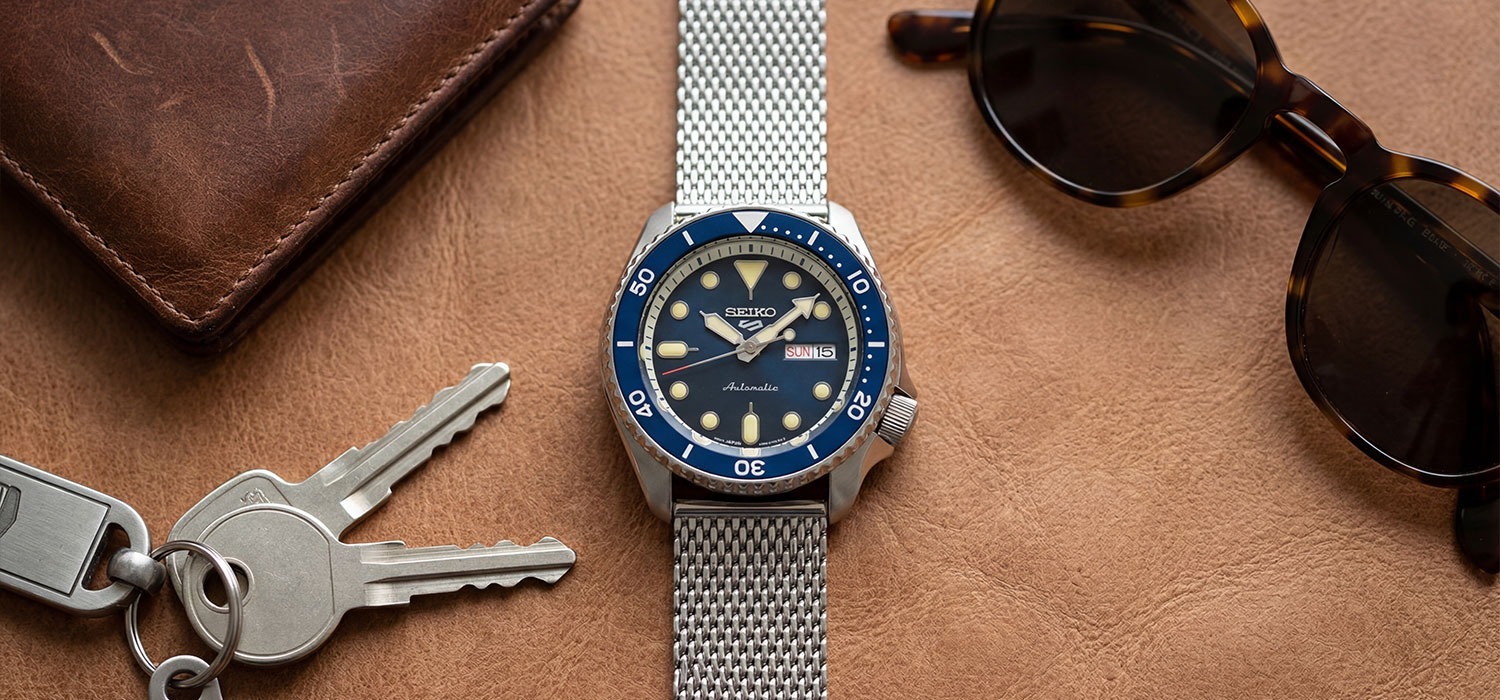
There is no single service interval that applies to every watch. Manufacturer guidance, movement type, usage, age, moisture exposure, and performance all influence when watch servicing is needed.
A mechanical watch may require professional inspection when it-
- Gains or loses significantly more time than usual.
- Has a noticeably shorter power reserve
- Stops without an obvious reason
- Becomes difficult to wind
- Produces unusual sounds
- Shows condensation beneath the crystal
A full watch service cost may cover movement inspection, cleaning, lubrication, adjustment, gasket replacement, testing, and replacement of worn parts.
Optional case or bracelet refinishing may add to the price. Refinishing should be considered carefully because polishing removes a small amount of metal.
A battery or strap replacement is not the same as a full service. Full mechanical service requires considerably more labor and specialist knowledge.
Before approving the work, request a written estimate. Ask whether the price includes parts, testing, shipping, taxes, refinishing, and a service warranty. The lowest quoted watch service cost may not include everything needed to return the watch to reliable working condition.
Common Watch Repair Costs and Their Causes
Watch repair costs vary because one visible symptom can have several possible causes. A stopped watch may need a battery, movement service, coil replacement, moisture treatment, or a complete movement replacement.
Crystal damage
Crystals can scratch, chip, or crack after an impact. Replacement costs depend on the material, dimensions, shape, coatings, and availability of the correct part.
Crown and stem damage
The crown and stem control setting and winding. Pulling the crown forcefully, cross-threading a screw-down crown, or striking it against a hard surface can damage several connected components.
Water damage
Moisture can affect the movement, dial, hands, case, and seals. Water damage can produce high watch repair costs because multiple components may need cleaning or replacement.
Movement problems
Mechanical movement repairs may involve worn gears, damaged springs, broken pivots, or dried lubricants. Quartz faults can involve batteries, coils, circuits, gears, or complete electronic modules.
Bracelet and clasp problems
Bracelet pins, spring bars, links, screws, and clasps wear over time. Replacing a small component early can prevent the watch from falling and suffering greater damage.
Common watch repair work includes battery changes, strap replacement, spring-bar replacement, crown repair, crystal replacement, and movement correction. The exact frequency depends on the watch and how it is used.
How Battery Replacement Affects Long-Term Costs
A watch battery replacement should be treated as a maintenance appointment rather than merely swapping one cell for another. The case must be opened correctly, the proper battery installed, and the gasket checked before the watch is closed.
Battery life varies depending on movement, watch functions, age, and usage. Alarms, lights, chronographs, and other functions may consume additional power.
Professional watch battery replacement is particularly important for water-resistant watches. Opening the case can disturb the gasket, necessitating seal inspection or pressure testing.
Responsible quartz watch maintenance also means promptly replacing a depleted battery. Leaving a depleted cell inside the watch can increase the risk of leakage and internal corrosion.
Record the replacement date and retain service documents. This makes it easier to track future maintenance and explain the watch’s history during resale.
Why Proper Watch Care Reduces Ownership Costs
Proper watch care and timely service can extend a watch’s working life while reducing the likelihood of costly repairs.
Useful habits include-
- Clean the case and bracelet with a soft microfiber cloth after wear.
- Keep leather straps away from repeated moisture.
- Avoid contact with perfumes, solvents, and cleaning chemicals.
- Do not operate the crown or pushers underwater unless permitted.
- Confirm that screw-down crowns are closed before exposure to water.
- Remove the watch during heavy-impact work or contact sports.
- Replace damaged spring bars, clasps, and straps promptly.
- Follow the stated water-resistance rating.
- Arrange an inspection when performance changes.
Routine watch maintenance should reflect actual use. A watch frequently exposed to sweat, dust, vibration, heat, or water may need attention sooner than one worn occasionally.
Owners should also avoid excessive polishing. Although refinishing can improve appearance, repeated polishing removes material and may alter the original case shape.
Good watch care aims to preserve operation, comfort, appearance, and structural condition rather than remove every sign of ordinary wear.
How a Watch Storage Box Protects Long-Term Value
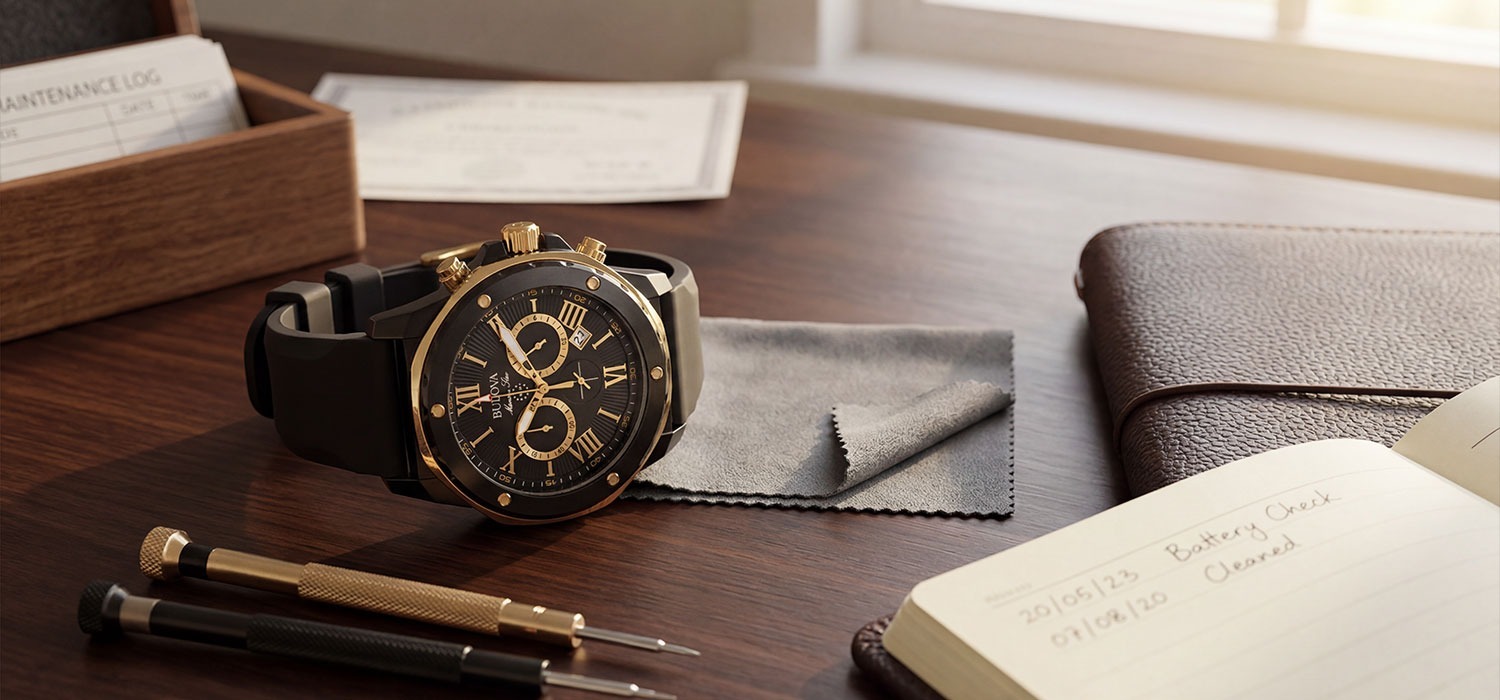
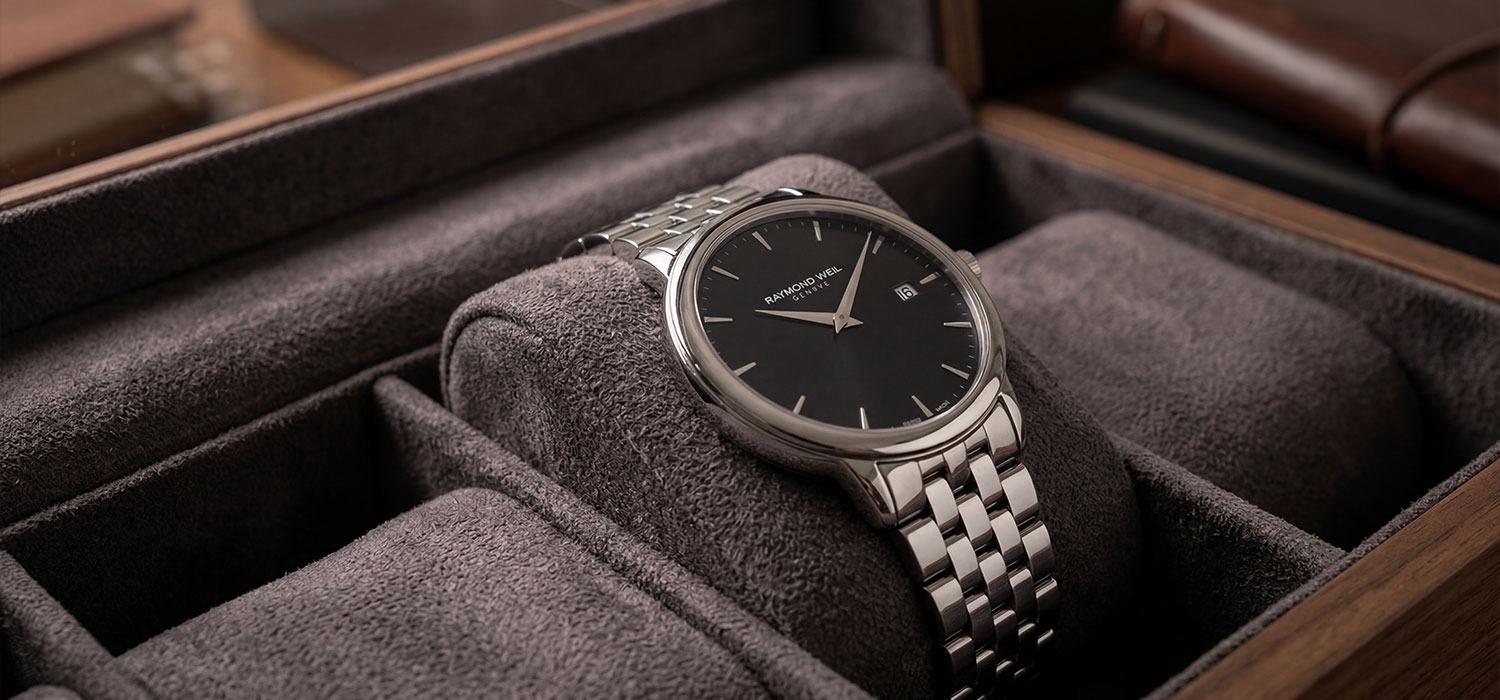
A suitable watch storage box protects watches from dust, direct sunlight, moisture, accidental impacts, and contact with other jewelry. It also keeps bracelets and straps supported while the watches are not being worn.
Suitable storage cases for watches should provide-
- Separate padded compartments
- Soft interior surfaces
- Enough space to keep cases and crowns apart
- Protection from dust and direct light
- Secure closure
- Stable support during storage or travel
A watch storage box is particularly useful for collectors because watches placed loosely in a drawer can scratch one another. Organized storage also makes it easier to inspect straps, clasps, batteries, and cases.
Avoid storing watches in damp bathrooms, hot vehicles, or locations with major temperature changes. Mechanical watches should also be kept away from strong magnets, which can affect timekeeping.
Travel-focused storage cases for watches should hold each piece securely without placing excessive pressure on the crown, crystal, or bracelet. Storage does not replace maintenance, but it reduces preventable cosmetic damage and helps preserve presentation and resale appeal.
Which Watches Have the Lowest Long-Term Ownership Costs?
Quartz and solar watches often have the lowest routine ownership costs because they typically require less movement-related maintenance than automatic and manual mechanical watches.
Movement choice is not the only factor. A simple quartz model with readily available parts, clear water-resistance guidance, and a replaceable strap may cost less to own than a complicated watch with proprietary components.
Buyers seeking durable watches should look for-
- Scratch-resistant crystal
- Corrosion-resistant case material
- Secure crown and clasp
- Replaceable straps or bracelet components
- Readily available batteries or movement parts
- Construction suited to the intended activity
- Clear warranty and service support
Complications can increase potential servicing expenses. Chronographs, calendars, alarms, and other functions add components that may need specialist attention.
When comparing watch types, consider ownership over several years rather than focusing only on the selling price. Account for battery changes, mechanical services, replacement straps, water-resistance tests, protective storage, and possible repairs.
A more expensive watch can still provide strong long-term value when it is dependable, repairable, well supported, and appropriate for the owner’s lifestyle.
Final Verdict- Ownership Cost Matters More Than Purchase Price
The purchase price is only the beginning of watch ownership. Movement design, materials, servicing access, storage, usage, and daily habits all affect what a watch will cost throughout its life.
Automatic and manual watches can last for many years, but they generally require more involved service. Quartz and solar watches often cost less to maintain, although batteries, rechargeable cells, seals, straps, and electronic parts still need attention.
Before buying, consider the expected watch service costs, potential repair costs, movement complexity, material durability, and the availability of replacement parts.
Consistent watch maintenance, proper storage, and timely attention can prevent small issues from becoming expensive defects. The best watch is not simply the least expensive one at checkout. It is the watch whose ongoing care requirements match your budget, habits, and expectations.
Frequently Asked Questions
1. How often should a watch be serviced?
Follow the manufacturer’s recommendations and monitor changes in accuracy, winding, power reserve, and operation. Usage and environmental exposure can alter the recommended schedule.
2. Is watch servicing necessary?
Yes. Lubricants, batteries, seals, and mechanical components deteriorate over time. Appropriate watch servicing helps maintain performance and identify wear before it causes wider damage.
3. Are automatic watches more expensive to maintain?
Usually. Automatic watch maintenance often involves movement cleaning, lubrication, timing adjustment, gasket replacement, and specialist labor.
4. Is quartz watch maintenance cheaper?
In many cases, yes. Quartz watch maintenance normally focuses on batteries, seals, water testing, and occasional electronic or movement repairs.
5. What is the difference between servicing and repair?
Servicing is planned preventive work. Watch repair addresses a specific fault, damaged component, or operational failure.
6. How can owners reduce repair costs?
Follow basic watch care, replace depleted batteries promptly, respect water-resistance limits, protect the watch from impact, and address unusual performance early.
7. Why do watch repair costs vary?
Watch repair costs depend on movement complexity, damage severity, material, parts availability, testing requirements, labor, and whether factory service is necessary.
8. How should watches be stored?
Keep watches clean and dry in a padded watch storage box or suitable storage cases for watches, away from sunlight, humidity, extreme heat, and strong magnetic sources.
Newest Guide & Blog Updates

How to Tell If a Watch Has Sapphire Crystal
If you are wondering how to tell if a watch has a sapphire crystal, online advice can be confusing....

Is Sapphire Crystal Worth Paying More For?
You are comparing two similar watches. One uses mineral glass, while the other has sapphire crystal...

Watch Crystal Types Explained: Sapphire, Mineral, and Acrylic
A watch crystal does more than protect the dial. It influences how your watch looks, how easily it...
Why Does an Automatic Watch Stop When You Don't Wear It?
An automatic watch stops when the energy stored inside its mainspring runs out. Unlike a battery-po...
How Long Can an Automatic Watch Run Without Being Worn?
Most automatic watches run for approximately 38–42 hours without being worn, or roughly a day and a...
What Is Power Reserve on a Mechanical Watch?
When shopping for a mechanical watch, you may notice specifications such as "38-hour power reserve"...