
Are Expensive Watches Always Better? Breaking Down Cost vs Real Value
Many buyers assume expensive watches are automatically better than less costly models. In some cases, a higher price reflects better materials, careful assembly, stronger finish, and long-term desirability. But price alone does not always prove quality. Some luxury watches cost more because of branding, rarity, marketing, or collector demand rather than daily performance.
Real watch value comes from a mix of craftsmanship, materials, movement quality, durability, brand reputation, condition, and how well the watch fits the buyer’s needs. A practical buyer may find excellent value in affordable luxury watches, while a collector may care more about rarity, heritage, and watch resale value.
This watch-buying guide explains what buyers are really paying for and how to decide whether a costly watch is worth it.
What Makes a Watch Expensive?
Several factors influence why expensive watches carry higher prices. Brand reputation is one of the biggest. Well-known luxury watches from respected makers often cost more because buyers associate those names with heritage, status, and long-term desirability.
Manufacturing also matters. Some premium watches require more time to assemble, finish, test, and regulate. Mechanical complications, hand-polished parts, limited production, and rare materials can all increase cost.
Scarcity is another factor. When demand is high and production is limited, prices can rise beyond the original retail cost. This is especially common in the market for collectible high-end watches.
Marketing and distribution also affect price. A watch sold through luxury boutiques with major advertising support may carry costs unrelated to technical quality. That does not mean the watch lacks merit, but it does mean buyers should look beyond the price tag.
The key point is simple- a higher price can signal better quality, but it can also reflect brand power, scarcity, and market demand.
What Actually Determines Watch Value?
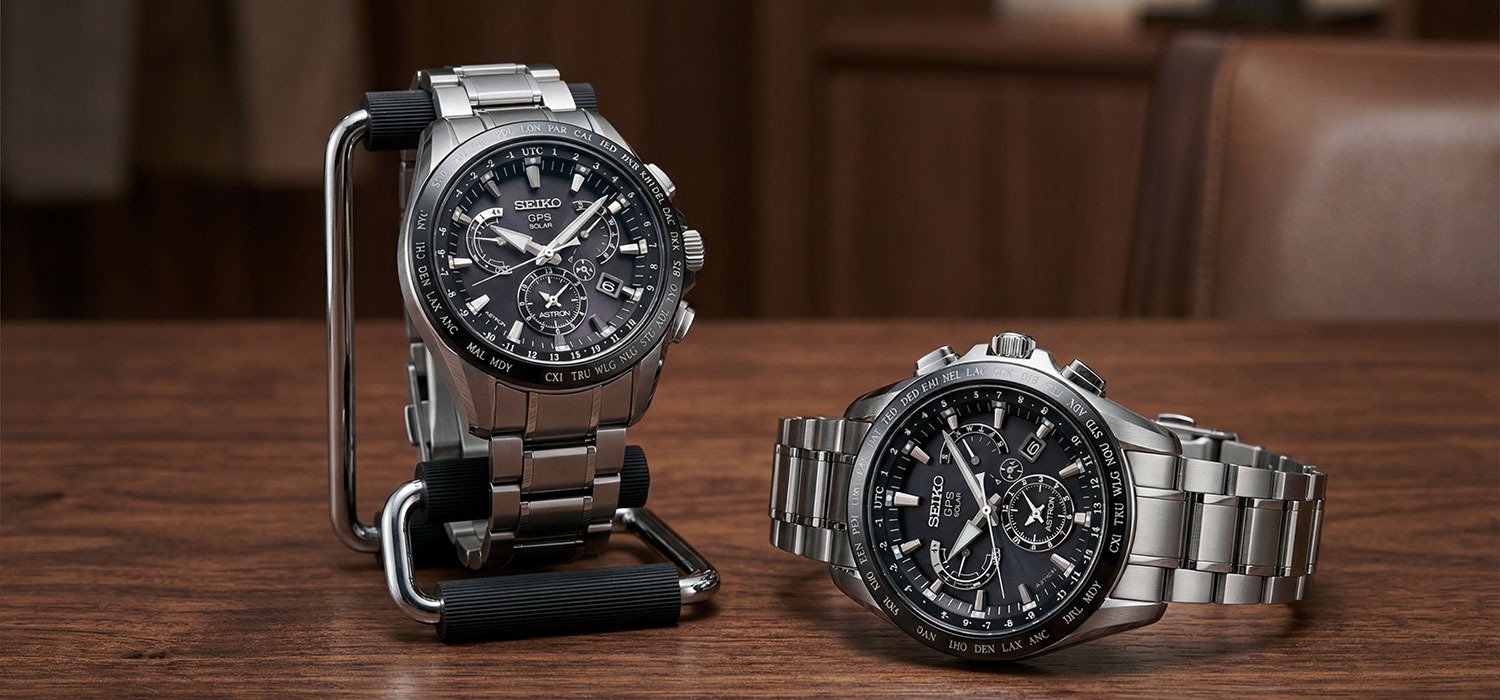
A watch’s real watch value is determined by factors such as craftsmanship, materials, movement quality, durability, comfort, serviceability, and long-term desirability. Price is only one part of the picture.
A watch that looks beautiful but is difficult to service may not offer strong ownership value. A costly model with poor wearability may sit unused. A less costly watch with reliable timekeeping, strong materials, and a design you enjoy may deliver better value in daily life.
This is why a thoughtful watch-buying guide should focus on real-world use. Ask whether the watch fits your lifestyle, whether the movement suits your maintenance expectations, and whether the materials match the price.
For collectors, watch resale value may also matter. A watch from a highly respected brand with strong demand may retain more value than a lesser-known model. For everyday buyers, value may come from comfort, reliability, and how often the watch gets worn.
How Watch Craftsmanship Impacts Cost
Watch craftsmanship plays a major role in pricing, especially for mechanical and luxury models. Fine finishing, precise assembly, dial detailing, and movement decoration all require skill and time.
In many premium watches, small details separate ordinary production from careful watchmaking. Polished case edges, brushed surfaces, applied markers, smooth crown action, and well-finished bracelets all improve the wearing experience.
Mechanical watches can involve even more craftsmanship. A movement may contain many tiny parts that must work together with accuracy. Higher-grade movements may include decorative finishing, better regulation, and longer testing.
However, craftsmanship should be judged honestly. Some costly watches are beautifully finished, while others rely more heavily on branding. Buyers should inspect case quality, dial printing, bracelet feel, movement type, and service history before assuming price equals better work.
Good craftsmanship creates lasting pleasure, but only when it is present in the watch itself, not just in the marketing.
Why Watch Materials Matter More Than Price
Watch materials can strongly affect durability, comfort, appearance, and cost. Stainless steel is common because it is strong, versatile, and suitable for many daily watches. Titanium is lighter and often more comfortable for long wear, though it may cost more.
Ceramic is scratch-resistant and often found in bezels or modern cases. Sapphire crystal is preferred over mineral glass because it resists scratches better. Precious metals such as gold and platinum increase cost due to material value, but they do not always improve performance.
A buyer comparing luxury watches should ask whether the materials justify the price. A stainless steel watch with a sapphire crystal, a sturdy bracelet, and a proven movement may offer better practical value than a gold-tone fashion watch with weaker components.
Materials should be judged by purpose. For daily wear, durability may matter most. For formal wear, appearance may carry more weight. For collectors, rare metals and original condition may influence value.
Understanding Different Watch Movement Types
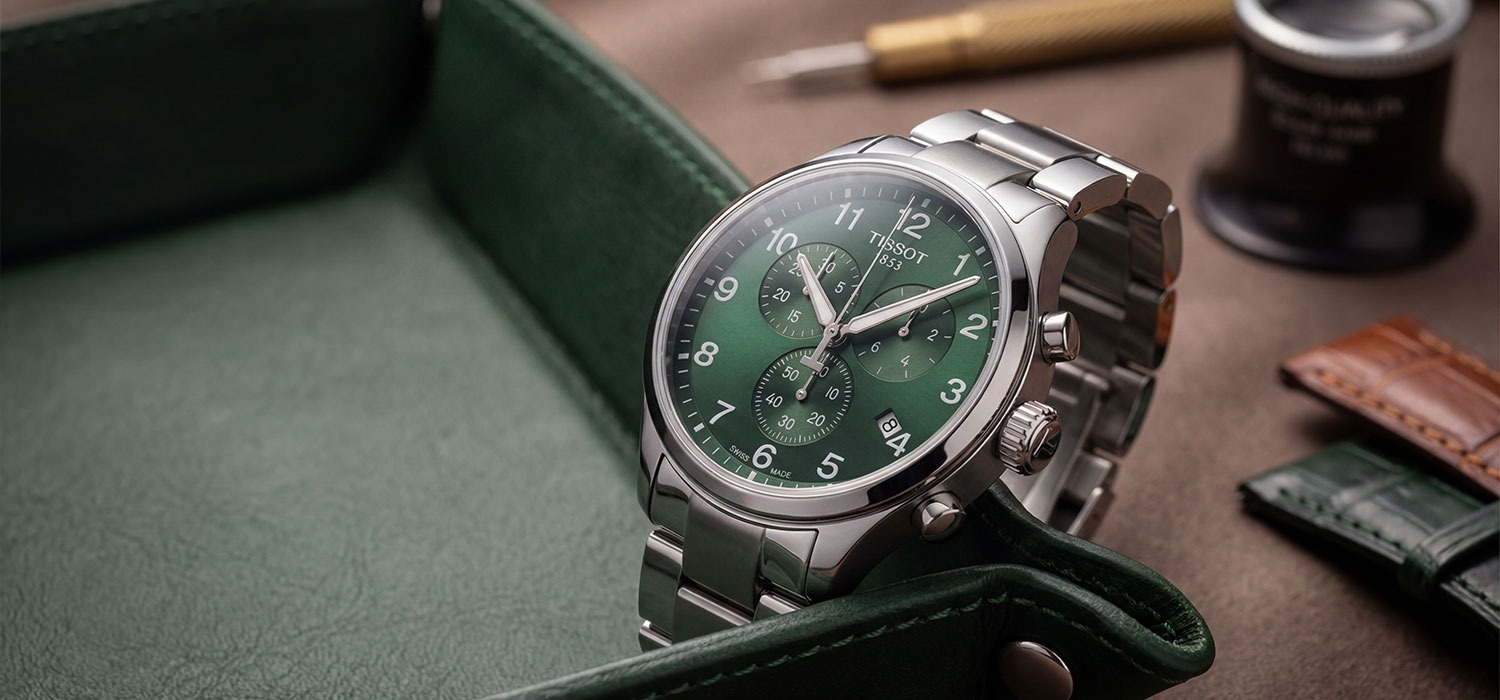
Learning watch movement types is essential before buying. The movement is the mechanism that powers the watch and controls timekeeping.
Quartz movements are battery-powered and known for accuracy, low maintenance, and affordability. For many everyday buyers, quartz offers the best practical value.
Automatic movements wind themselves through wrist motion. They appeal to buyers who enjoy mechanical watchmaking and are not deterred by service costs. Mechanical hand-wound movements require manual winding and are often appreciated by enthusiasts who enjoy a traditional experience.
Solar movements use light to recharge the battery, reducing the need for frequent battery replacement. These are practical for people who want convenience with good accuracy.
When comparing different types of watches, remember that no single movement is best for everyone. Quartz is accurate and simple. Automatic and mechanical watches offer charm and craftsmanship. Solar watches are practical and easy to own.
The best choice depends on budget, maintenance comfort, and personal taste.
Are Swiss Luxury Watches Always Better?
Swiss luxury watches have a strong reputation because Switzerland has a long history of watchmaking, respected brands, and strict manufacturing standards. Many Swiss watches offer excellent movement quality, finishing, and heritage.
However, Swiss origin does not automatically make a watch better for every buyer. Japanese brands are respected for reliability, quartz technology, and practical engineering. German watches are often praised for clean design and careful construction.
The best luxury watches should be judged by their actual features, not just their country of origin. Movement quality, finishing, case materials, warranty, condition, service support, and comfort all matter.
Swiss watches can be outstanding, but buyers should avoid assuming that every Swiss model is superior to every Japanese or German alternative. Value depends on the specific watch, not only the label on the dial.
How to Evaluate a Luxury Watch Investment
A luxury watch investment should be approached carefully. Not all high-end watches increase in value, and many lose value after purchase. Buyers who care about financial return need to research brand demand, model history, production numbers, condition, and market trends.
Strong watch resale value is usually linked to brand recognition, limited availability, desirable models, original parts, box and papers, and good condition. Watches from highly demanded collections may hold value better, but even those are not guaranteed to rise.
A watch should not be purchased only because someone calls it an investment. Service costs, market changes, seller fees, and condition issues can reduce returns.
For most buyers, the safer approach is to buy a watch you enjoy wearing first. If it also holds value well, that is a benefit. A luxury watch investment only makes sense when the buyer understands the risks and does careful research.
Why Affordable Luxury Watches Can Offer Strong Value
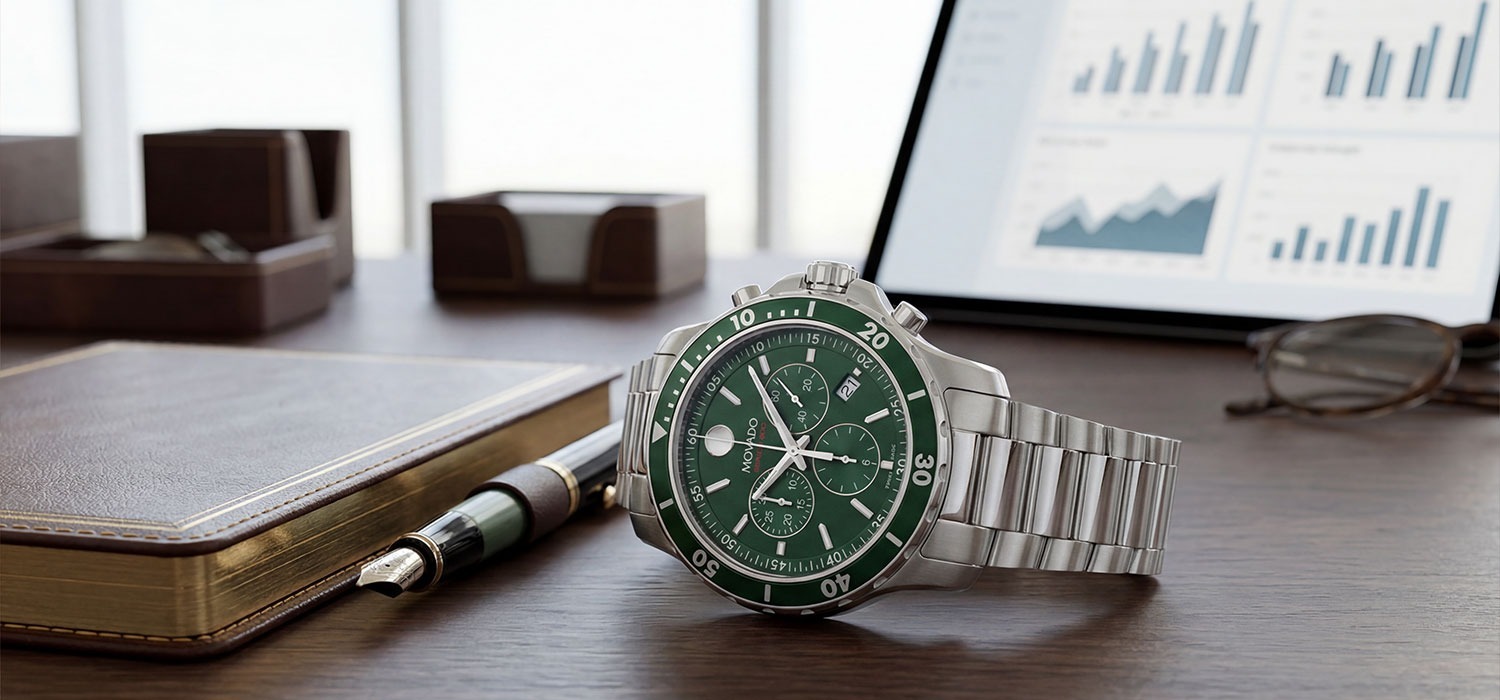
Affordable luxury watches can offer excellent value because they often feature high-quality materials, reliable movements, and attractive designs without the steep prices of collector-focused brands.
This is where diminishing returns become important. A watch that costs ten times more is not always ten times better in daily use. A mid-priced automatic or quartz watch may keep time well, look refined, and last for many years with proper care.
Buyers looking for strong watch value should compare specifications rather than just brand names. Sapphire crystal, stainless steel cases, reliable movements, solid bracelets, and water resistance can all be found in more accessible watches.
For many people, affordable luxury watches provide the right balance between quality and cost. They may not carry the same prestige as famous high-end watches, but they can deliver excellent ownership satisfaction.
How to Decide Whether an Expensive Watch Is Worth It
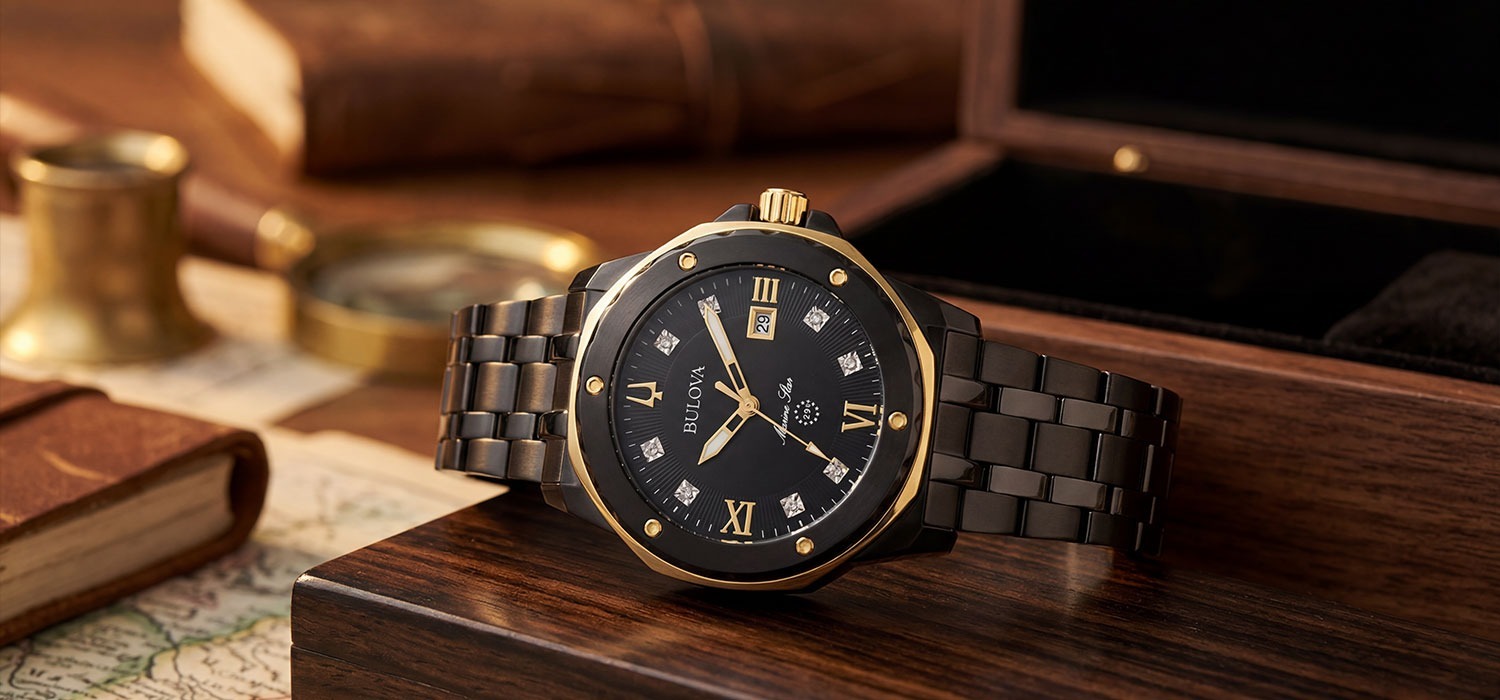
Use this watch buying guide before purchasing-
- Define your budget before comparing models.
- Decide whether the watch is for daily wear, formal use, collecting, or resale.
- Compare watch movement types and choose the one that fits your maintenance expectations.
- Review watch materials, including crystal, case, bracelet, strap, and bezel.
- Research brand reputation and service availability.
- Consider the resale value of a watch only if future selling matters to you.
- Try to evaluate comfort, size, and wearability before buying.
- Compare similar models across different brands before making a final decision.
The best watch for a buyer depends on intended use, budget, maintenance expectations, and personal style. Some expensive watches are worth the cost because they offer excellent craftsmanship, durable materials, and enduring appeal. Others may not justify their price if they rely mostly on branding.
Final Verdict- Are Expensive Watches Always Better?
No, expensive watches are not always better. Some costly luxury watches offer outstanding craftsmanship, durable materials, reliable movements, and strong desirability. In those cases, the higher price may be justified.
But many buyers can find excellent value in premium watches and affordable luxury watches that offer reliable performance, attractive design, and long-term usability without extreme pricing.
The smartest approach is to compare real features, not just price. Know the types of watches, study movement options, review materials, and decide what matters most to you. A better watch is not always the most expensive one. It is the one that gives you the right balance of quality, purpose, comfort, and lasting satisfaction.
Frequently Asked Questions
1. Are expensive watches always better?
No. Some expensive watches offer better craftsmanship, materials, and resale demand, but others cost more because of branding or scarcity. Real value depends on the watch itself.
2. What determines watch value?
Watch value is determined by craftsmanship, materials, movement quality, durability, comfort, brand reputation, condition, and long-term demand.
3. Are luxury watches worth the money?
Luxury watches can be worth the money when they offer strong quality, enjoyable ownership, and lasting desirability. Buyers should compare features before paying a higher price.
4. What are the different types of watches?
The main types of watches include quartz, automatic, mechanical, solar, dress, dive, pilot, field, chronograph, and sports watches.
5. Is a luxury watch investment a good idea?
A luxury watch investment can work in select cases, but it carries risk. Not all watches appreciate in value, so research and condition checks are important.
6. Do premium watches hold value?
Some premium watches hold value well, especially from sought-after brands. Others may depreciate like most consumer products.
Newest Guide & Blog Updates

How to Tell If a Watch Has Sapphire Crystal
If you are wondering how to tell if a watch has a sapphire crystal, online advice can be confusing....

Is Sapphire Crystal Worth Paying More For?
You are comparing two similar watches. One uses mineral glass, while the other has sapphire crystal...
Watch Crystal Types Explained: Sapphire, Mineral, and Acrylic
A watch crystal does more than protect the dial. It influences how your watch looks, how easily it...

Why Does an Automatic Watch Stop When You Don't Wear It?
An automatic watch stops when the energy stored inside its mainspring runs out. Unlike a battery-po...

How Long Can an Automatic Watch Run Without Being Worn?
Most automatic watches run for approximately 38–42 hours without being worn, or roughly a day and a...
What Is Power Reserve on a Mechanical Watch?
When shopping for a mechanical watch, you may notice specifications such as "38-hour power reserve"...