
What Does Chronograph Mean on a Watch?
The word “chronograph” appears on many watch listings, but it is often misunderstood. Some shoppers assume it means the watch is especially accurate. Others think it describes any watch with several small dials. Neither explanation is complete.
So, what does chronograph mean on a watch? A chronograph watch features a built-in stopwatch function that operates independently of the regular time display. The timer can be start, stop, and reset while the main hour and minute hands continue keeping normal time.
That function can appear in affordable quartz watches, solar-powered Citizen models, high-frequency Bulova watches, and Swiss automatic pieces from brands such as Tag Heuer. Understanding how it works makes it much easier to compare products, read specifications, and decide whether you will actually use the extra controls.
Key Takeaways
- A chronograph is a stopwatch function built into a watch.
- Pushers start, stop, and reset the timer.
- Subdials record elapsed minutes, hours, or running seconds.
- A chronograph is not the same thing as a chronometer.
- Quartz chronographs usually cost less than automatic chronographs.
What Does “Chronograph” Actually Mean?
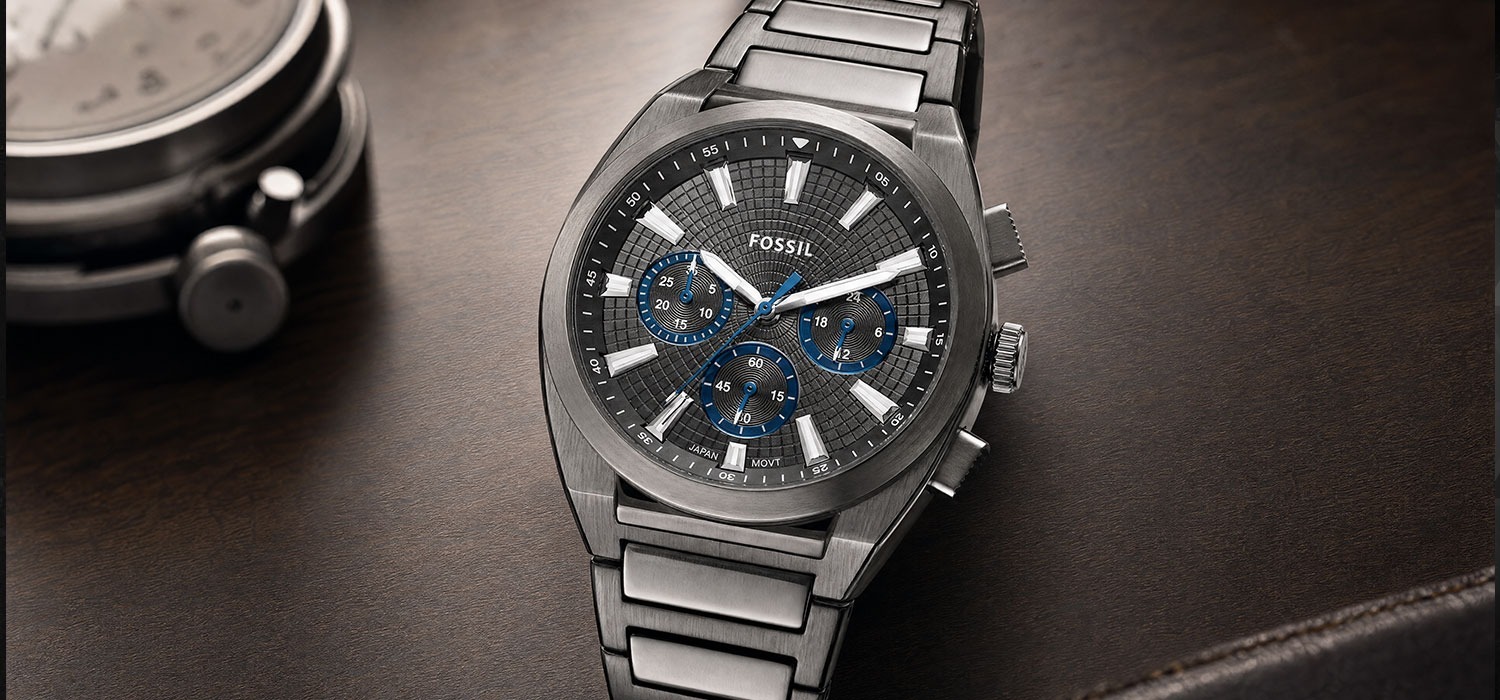
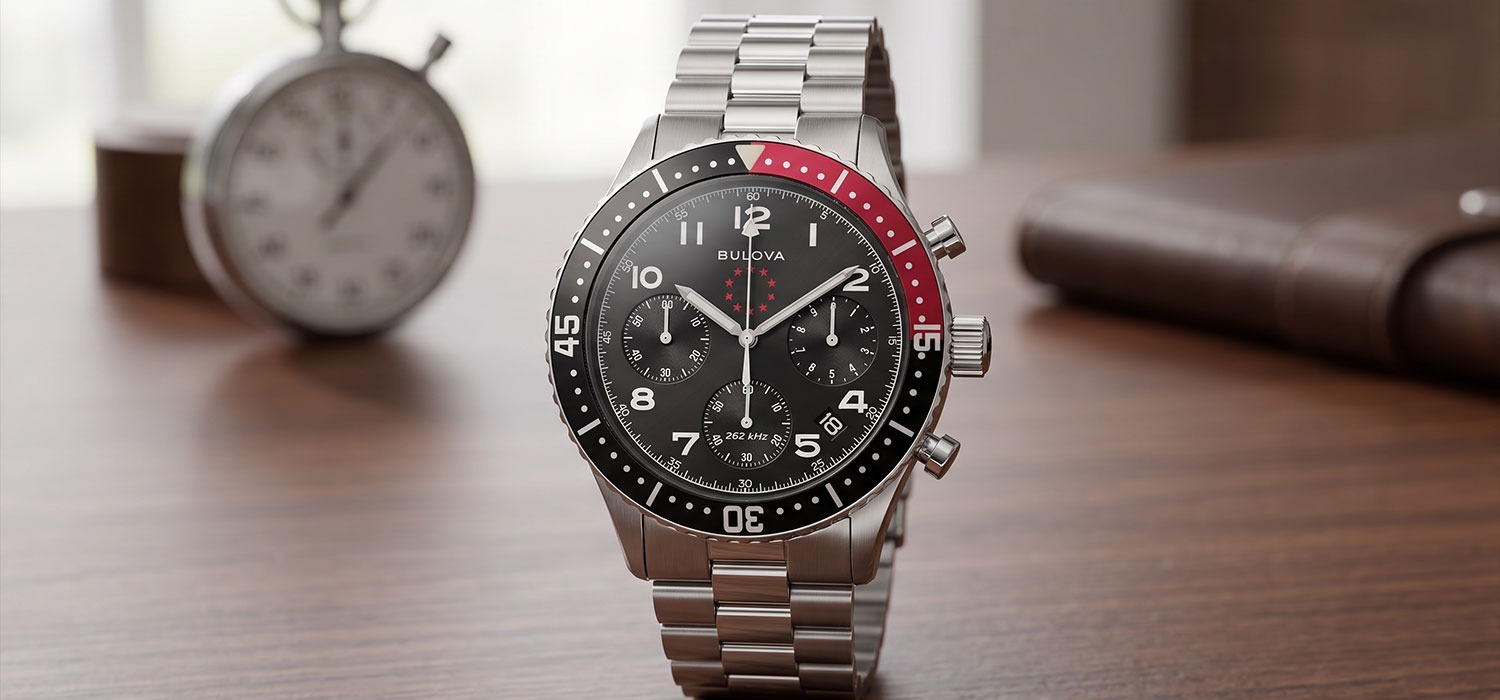
A chronograph combines normal timekeeping with an independent timing function. The regular hands show the current time, while a separate seconds hand and one or more subdials measure an event.
That event could be a run, a cooking time, a meeting, a lap, a parking meter, or any other interval. The stopwatch does not replace the regular clock. Both systems operate at the same time.
Most chronographs have two buttons, called pushers, on the right side of the case. One pusher starts and stops the timer. The other returns the chronograph hands to zero.
The word itself comes from Greek roots relating to time and writing. Early chronographs marked elapsed time physically, while modern models display it through moving hands or digital counters.
Chronographs are available across several price levels. Shoppers can compare Citizen Eco-Drive chronographs for solar-powered convenience or review the Bulova Precisionist collection for high-frequency quartz performance.
How Does a Chronograph Work in a Watch?
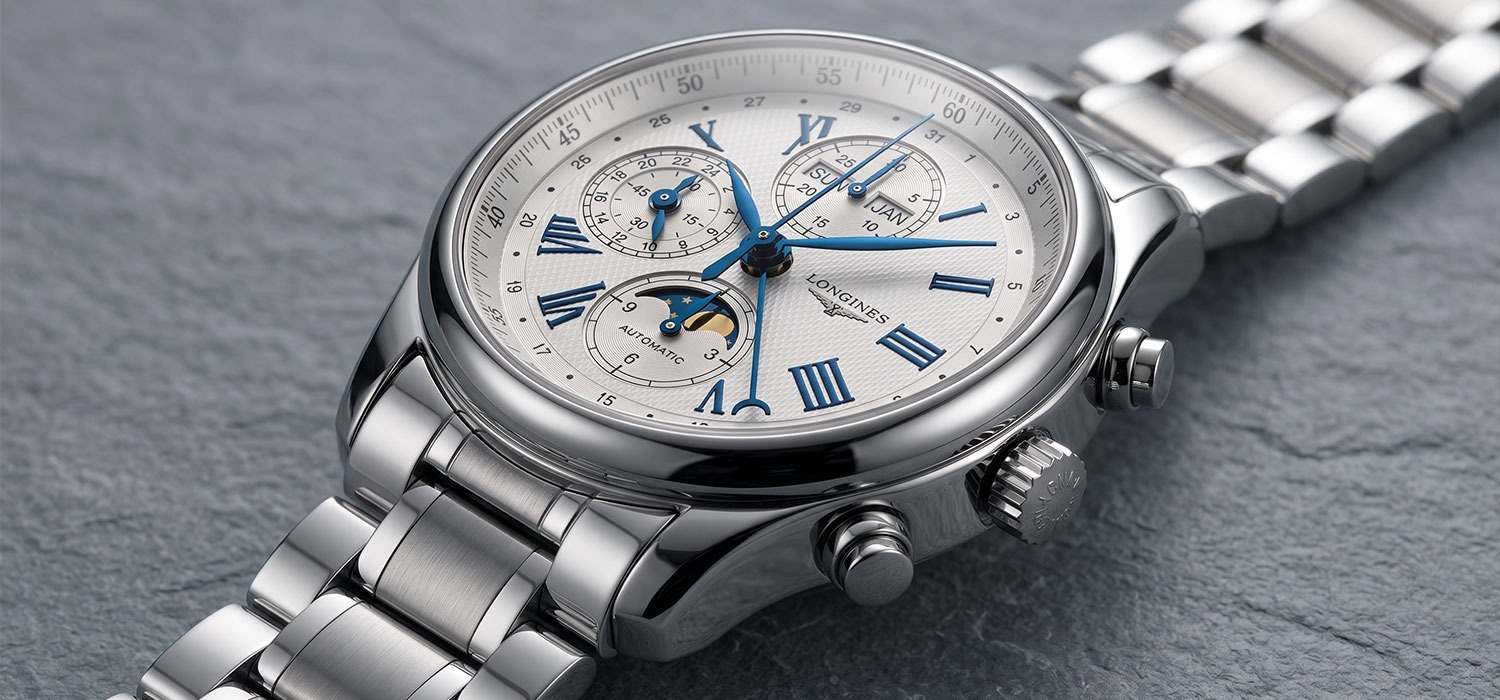
Although dial layouts vary, most chronographs use the same basic controls and displays.
The Pushers
The upper pusher is usually positioned near 2 o’clock. Press it once to start the chronograph. Press it again to stop the timer.
The lower pusher is usually near 4 o’clock. After the timer has stopped, press this button to return the chronograph hands to their starting positions.
Do not force the reset pusher while the chronograph is running unless the watch is specifically designed as a flyback chronograph. On a standard model, stop the timer first and then reset it.
The Central Chronograph Seconds Hand
On many chronographs, the long central hand is not the regular seconds hand. It stays at 12 o’clock until the stopwatch starts, then moves around the dial to record elapsed seconds.
The watch’s normal running seconds may appear on a smaller subdial. This arrangement can confuse first-time owners who expect the large hand to move continuously.
The Subdials and Totalizers
What do the dials on a chronograph watch mean? The smaller dials, often called totalizers, track different parts of elapsed time.
A common three-subdial layout includes-
- A running seconds display for normal timekeeping
- A 30-minute or 60-minute chronograph counter
- A 12-hour chronograph counter
Not every watch uses this exact arrangement. Some models have two subdials, while others include a 24-hour display, tenths-of-a-second counter, or another function. Always check the product description or manual rather than judging the watch by appearance alone.
The article on watch features that actually matter can help you separate practical functions from details you may rarely use.
Quartz vs. Automatic Chronograph Movements
A quartz chronograph uses electronic circuitry and a battery or rechargeable power cell to control the stopwatch. This makes the function easier and less costly to produce.
An automatic chronograph uses a mechanical system of gears, levers, springs, and clutches. Starting, stopping, and resetting several hands through mechanical parts requires far more engineering and assembly.
That complexity explains why two watches with similar-looking dials can have very different prices. The quartz model may offer the same basic stopwatch function, while the automatic model adds mechanical construction, finishing, and a more involved movement.
What Is a Tachymeter Used For?
A tachymeter is a numbered scale usually printed around the bezel or outer edge of a chronograph dial. It converts elapsed time into an average rate, most commonly speed over a known distance.
Here is a simple example using one mile-
- Start the chronograph as a vehicle passes the first mile marker.
- Stop it when the vehicle reaches the next mile marker.
- Find where the chronograph seconds hand points on the tachymeter scale.
- Read the number as the average speed in miles per hour.
If the mile takes 30 seconds, the hand should point near 120, meaning an average speed of about 120 miles per hour. If it takes 45 seconds, the scale reads about 80 miles per hour.
The same method can measure other rates, such as items produced per hour, as long as one unit is completed in under 60 seconds. A tachymeter is useful only when the distance or unit is already known. It does not measure distance on its own.
Chronograph vs. Chronometer- They Are Not the Same
Chronograph and chronometer sound similar because both begin with “chrono,” but they describe entirely different things.
A chronograph is a function. It allows the wearer to time an interval with a built-in stopwatch.
A chronometer is a precision device. In the Swiss watch industry, the term commonly refers to a movement tested and certified by the Official Swiss Chronometer Testing Institute (COSC). A mechanical movement must perform within defined accuracy limits during testing, commonly stated as an average rate between -4 and +6 seconds per day.
A watch can be a chronograph without being a chronometer. It can serve as a chronometer without a stopwatch. It can also be both.
For example, the Omega Speedmaster is famous for its chronograph function, while specific versions may carry additional accuracy certifications. The Omega Speedmaster vs. Seamaster comparison offers more context on how purpose and features differ between major watch families.
The easiest way to remember the difference is simple-
Chronograph describes what the watch can do. Chronometer describes how accurately a tested movement keeps time.
Chronograph Watches at Different Price Points
Chronographs are not limited to luxury watches. The same core timing function appears in practical solar models, high-frequency quartz watches, and Swiss mechanical pieces.
|
Brand and Range |
Movement Style |
Main Appeal |
Good Fit For |
|
Citizen Eco-Drive |
Solar-powered quartz chronograph |
Light-powered convenience and broad style choice |
Buyers who want low routine upkeep |
|
Bulova Precisionist |
High-frequency quartz chronograph |
Smooth hand motion and strong real-world accuracy |
Buyers focused on accuracy for the price |
|
Tag Heuer |
Quartz and automatic Swiss chronographs |
Motorsport heritage, mechanical choices, premium cases |
Buyers seeking Swiss branding and craftsmanship |
Citizen offers Eco-Drive chronographs across dress, field, aviation, and sport collections. Light charges the internal power cell, reducing the need for routine disposable battery changes.
Bulova’s Precisionist line uses a proprietary 262 kHz high-frequency quartz movement. Certain models are rated around ten seconds per year, which can match or exceed the everyday accuracy of many certified mechanical chronometers, even though Precisionist watches are not automatically COSC-certified.
Tag Heuer chronographs occupy a higher price tier. Collections such as Carrera, Monaco, Formula 1, and Aquaracer include quartz and automatic options, depending on the model.
Prices, conditions, and availability can change, especially with new, pre-owned, or showcase watches. Review the current listing carefully, including movement type, case size, warranty coverage, and condition notes.
Frequently Asked Questions
1. What does chronograph mean on a watch?
A chronograph is a watch with a built-in stopwatch function, letting you time an interval independently of the regular time display.
2. How does a chronograph watch work?
Pushers on the case start, stop, and reset a separate seconds hand and subdials that track elapsed minutes and hours, while the watch keeps telling normal time throughout.
3. Is a chronograph the same as a chronometer?
No. A chronograph is a stopwatch function. A chronometer is a precision certification, usually from COSC in Switzerland. A watch can be either, both, or neither.
4. What do the small dials on a chronograph mean?
Those subdials, called totalizers, track the elapsed minutes and hours of the stopwatch function while it is running.
5. What is a tachymeter used for?
A tachymeter is a scale, usually on the bezel, that converts elapsed time into speed. Start the chronograph at one marker and stop at the next to read the average speed directly off the scale.
6. Why Are Automatic Chronographs More Expensive Than Quartz Chronographs?
Building the mechanical linkage that starts, stops, and resets three hands with gears and springs is far more complex to engineer than doing the same job electronically, which is why quartz chronographs cost much less.
7. Can a Quartz Chronograph Be as Accurate as a Certified Chronometer?
Yes, in practice. High-frequency quartz movements like Bulova's Precisionist run at 262 kHz and are accurate to roughly 10 seconds a year, matching or beating COSC chronometer standards. However, they are not independently certified as chronometers.
Which Chronograph Is Right for You?
Choose Citizen if you want a solar-powered chronograph with little routine attention. Choose Bulova Precisionist if high quartz accuracy and value are your main priorities. Choose Tag Heuer if you prefer Swiss heritage, premium construction, or an automatic chronograph movement.
Before buying, check the subdial layout, case diameter, water resistance, movement type, and whether you will use the tachymeter. A chronograph adds real function, but the right model should also fit your wrist, budget, and daily routine.
In one sentence, a chronograph times events, while a chronometer proves tested accuracy, and knowing the difference makes watch comparison far easier.
Newest Guide & Blog Updates
Is Rado a Good Watch Brand? What Sets It Apart From Other Swiss Names
When people begin searching for a Swiss watch, they often compare brands based on heritage, craftsm...
How to Buy Watches Wholesale: A Step-by-Step Guide for Resellers and Retailers
Buying watches wholesale may appear straightforward. Find a supplier, purchase inventory at a lower...
Movado Bold vs. Museum Classic vs. Series 800: Which Collection Actually Fits You?
Choosing a Movado watch can become surprisingly complicated once you compare collections side by si...
Unworn, “New Old Stock,” and “Display Model” Explained
You are comparing three similar watches online, but each listing uses a different condition label....
MSRP vs Street Price vs Discount Price: What Should You Actually Pay for a Watch?
You find a watch online with a price that looks almost too good to ignore. The listing shows a high...

What Comes in the Box When You Buy a Luxury Watch Online
The parcel arrives, you open it, and the first question is simple: Did you receive everything that...