
Automatic Watches Explained: How a Rotor Turns Wrist Motion Into Time
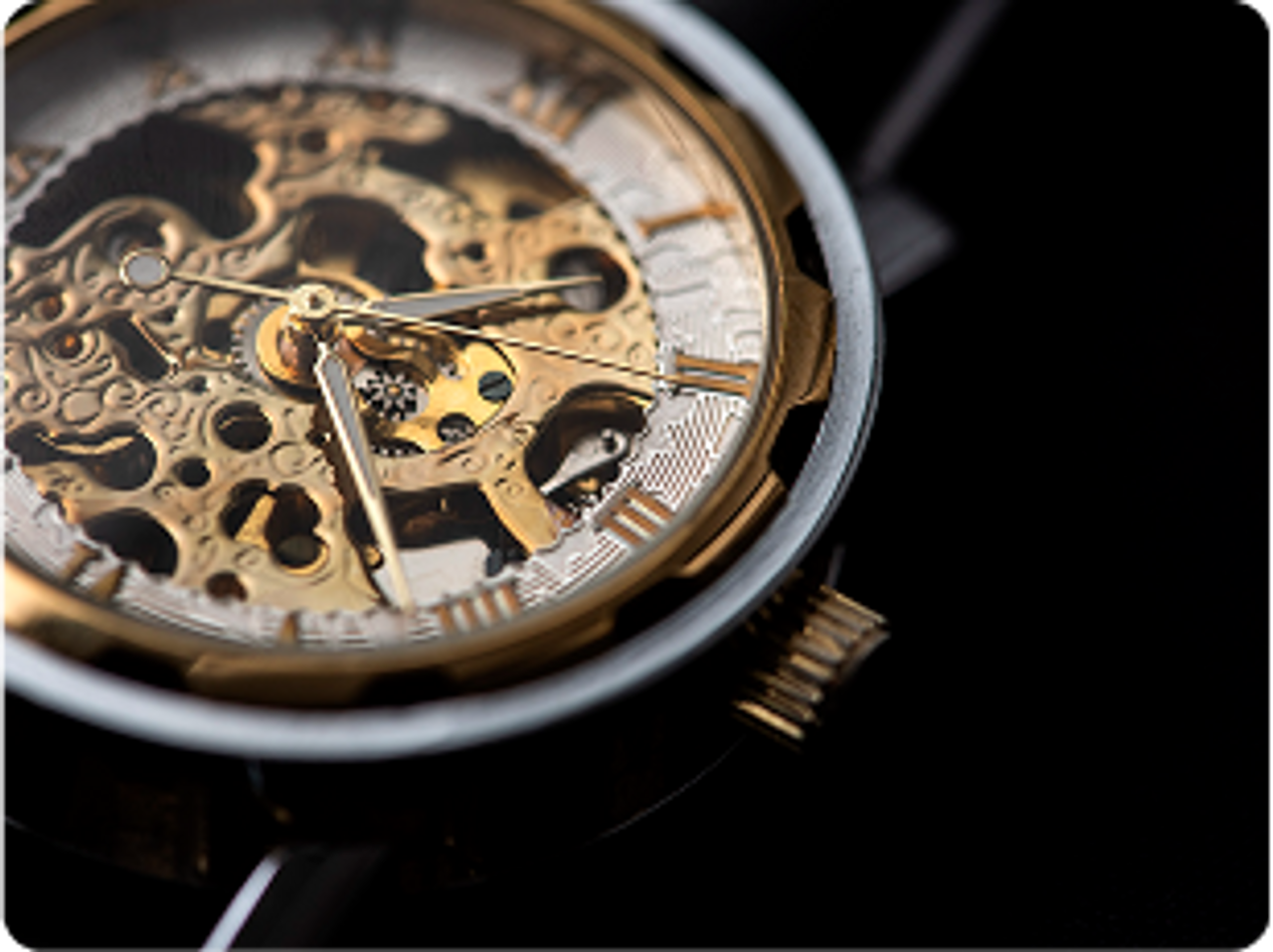
Every step you take can wind your watch. That is the simple idea behind an automatic watch, a mechanical timepiece that powers itself using the natural motion of your wrist instead of a battery or manual winding. Inside the case, a small weight called a rotor spins as you move, and that spinning motion winds the mainspring that drives the hands. You get precision engineering that runs on nothing but your own movement, no charging cable, no dead battery, and no daily ritual with the crown. If you have ever wondered what an automatic watch is or how do automatic watches work, this covers the mechanism, the comparisons buyers ask about most, and what actually makes one worth wearing every day.
What Is an Automatic Watch
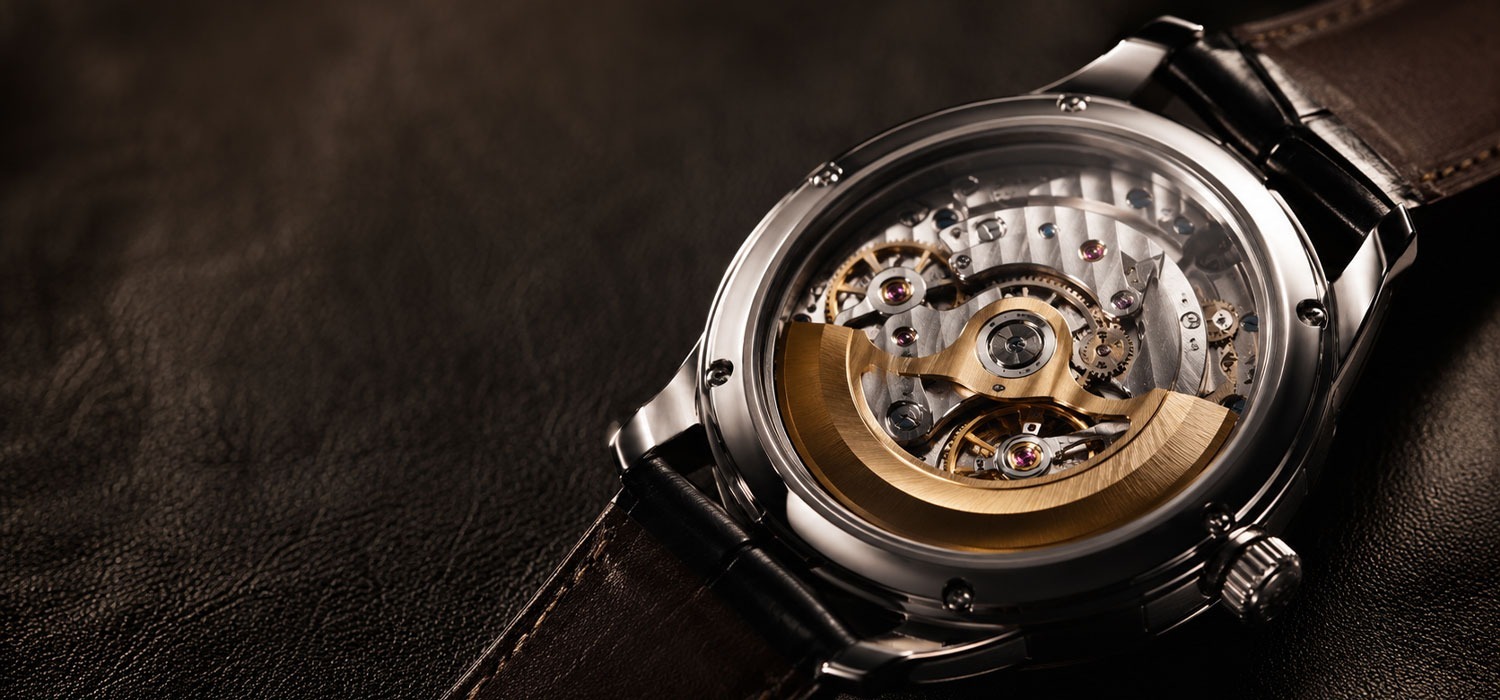
An automatic watch is a self winding mechanical watch. It relies on a semicircular rotor that swings freely inside the case whenever you move your wrist. As the rotor turns, it winds the mainspring, a coiled strip of metal that stores energy the same way a wound up toy stores energy before it releases. That stored energy travels through a series of gears to keep the hands moving.
The automatic watch meaning comes down to one word: motion. Instead of asking you to twist a crown every morning, the watch simply asks you to wear it. Set it down for a few days, and the rotor stops spinning, so the power reserve eventually runs out, which is why many owners keep a watch winder on the nightstand for pieces they do not wear daily.
How Do Automatic Watches Work
Understanding how automatic watches work starts with three moving parts working together.
First, the rotor spins with wrist motion. It sits on a pivot and swings in whichever direction your arm moves, often making hundreds of small rotations over the course of a day.
Second, that spinning motion winds the mainspring through a gear train. The mainspring tightens and stores mechanical energy, similar to how a compressed spring stores energy until it is released.
Third, the escapement releases the stored energy in small, regulated intervals. A balance wheel oscillates back and forth several times per second, and a pallet fork locks and releases the gear train with each swing. That controlled release produces the ticking motion you can hear if you hold the watch close to your ear, and it is also what keeps the hands moving at a steady pace. Most automatic movements hold a power reserve of 38 to 72 hours once fully wound, and select high end calibers push past 80 hours. Wear the watch regularly, and the rotor keeps the mainspring topped off, so you rarely think about winding it at all.
The Watch Mechanism Broken Down
Understanding how an automatic watch works is easier when you look at its main parts:
- Rotor: A weighted metal piece that moves as you move your wrist. Its motion powers the watch.
- Gear Train: A series of small gears that transfers energy from the rotor to the mainspring and then to the watch hands.
- Mainspring: A tightly wound spring that stores energy and powers the watch.
- Escapement: The part that releases the stored energy in small, controlled steps to keep the watch running at a steady rate.
Modern automatic watches have rotors that can spin a full 360 degrees, making them more efficient than early self-winding designs. Older watches often used a bumper movement, in which the rotor could only swing back and forth, bouncing between two springs instead of rotating freely.
In the 1920s, watchmaker John Harwood patented one of the first practical self-winding wristwatch systems. Later, in the late 1940s, Swiss watch brand Eterna introduced a ball-bearing rotor, which reduced friction and improved the reliability of automatic watch movements.
Types of Watches: Automatic, Mechanical, and Quartz

Every watch on the market falls into one of three movement categories, and knowing the differences makes shopping much easier.
- Automatic watches wind themselves through wrist movement and never need a battery.
- Mechanical watches, often called manual-wind watches, use the same mainspring and gear train technology but require you to wind the crown by hand.
- Quartz watches use a battery and a vibrating quartz crystal to regulate timekeeping, trading the romance of mechanical movements for low maintenance and excellent accuracy.
If you are weighing the different types of watches available, movement type is one of the first decisions worth making, since it shapes everything from daily upkeep to long term servicing. Our watch buying guide walks through the rest of the decision.
Quartz vs Automatic Watch
- Power Source: Quartz watches run on a small battery that typically lasts one to two years. Automatic watches are powered by the kinetic energy generated by your wrist movement.
- Accuracy: Quartz movements are extremely accurate, often varying by only a few seconds per month. Automatic movements are mechanically impressive but typically gain or lose several seconds per day.
- Maintenance: Quartz watches need occasional battery replacements and little else. Automatic watches benefit from servicing every three to five years to keep the gear train and escapement running smoothly.
- Cost: Quartz watches are usually more affordable at the entry level. Automatic watches typically cost more because of the mechanical craftsmanship inside the case.
Neither option wins across the board. Quartz suits buyers who want to set it and forget its accuracy, while automatic suits buyers who enjoy the craftsmanship of a moving mechanism. For a deeper side by side breakdown, our quartz vs automatic vs mechanical guide walks through more scenarios.
Automatic vs Mechanical Watch
Automatic and mechanical watches share more in common than most buyers expect. Both use a mainspring, a gear train, and an escapement, and both skip the battery entirely.
The real difference comes down to how the mainspring gets wound. An automatic watch winds itself as you move throughout the day, thanks to the rotor. A mechanical watch depends on you turning the crown by hand, usually once a day.
Some buyers enjoy the ritual of hand winding a mechanical watch every morning. Others prefer the convenience of an automatic watch that stays powered through normal daily wear. Either way, you are getting the same core mechanical engineering, just a different way of feeding it energy.
Automatic Watches for Men and Women
Automatic movements show up across men's watches and women's watches alike, and the mechanism inside works the same way regardless of case size.
Automatic watches for men often lean toward larger cases, bold dials, and sport or dress styling built for a bigger wrist. Automatic watches for women frequently come in smaller, refined cases with slimmer bracelets, though larger unisex sizing has become far more common in recent years.
What matters most for either buyer is fit. A watch with a well proportioned case, a comfortable strap, and a visible caseback lets you enjoy the mechanical movement without sacrificing daily comfort. If you want help narrowing down case size, our guide on choosing a watch for your wrist size breaks it down further.
What Makes an Automatic Watch Durable and Affordable
A durable automatic watch starts with high-quality materials. Stainless steel cases resist corrosion and everyday impacts; sapphire crystal is far more scratch-resistant than mineral glass, and a secure crown helps keep moisture out of the movement.
Movement quality is just as important as the materials. A well-finished gear train and a properly lubricated escapement help the watch keep accurate time and reduce the need for frequent servicing.
An affordable automatic watch doesn't have to compromise on these fundamentals. Many entry-level and mid-range automatic watches use the same core mechanical principles as luxury models, but with simpler finishing and fewer complications. If durability and value are your priorities, our breakdown of watch materials is a great next read before you buy.
Luxury Watch Brands and the Craft Behind Automatic Movements
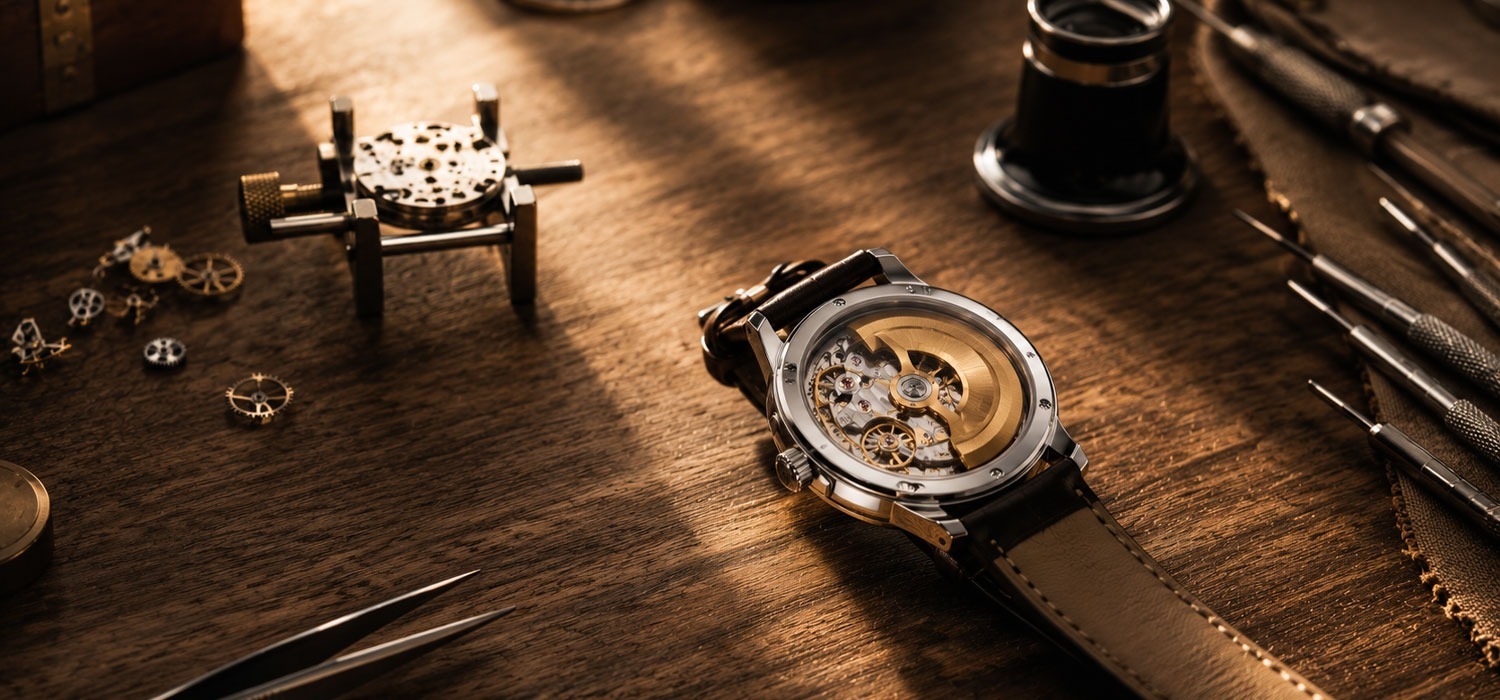
Luxury watch brands built their reputations on automatic movements long before quartz technology existed. Decorated rotors, in house calibers, and finely finished gear trains all trace back to the same rotor and mainspring principles covered here, just executed with extra precision and artistry.
Collectors are often drawn to automatic watches because every component is visible through an exhibition caseback, turning the mechanism itself into part of the design. That craftsmanship, combined with brand heritage, is a big reason automatic watches tend to hold their value well over time.
Whether you are shopping at entry level or working your way toward a luxury piece, browsing watches by brand is a good way to compare automatic movements across price points.
Ready to Wear an Automatic Watch Every Day
An automatic watch rewards you simply for wearing it. Every wrist movement keeps the rotor spinning, the mainspring wound, and the gear train turning, all without a battery to replace or a crown to wind each morning.
If you are ready to add one to your collection, our pre owned selection includes automatic watches from trusted brands at prices that make mechanical craftsmanship easy to justify. Browse a few models, check the power reserve and case size against your lifestyle, and pick the one you will actually want to wear.
FAQs
1.What is an automatic watch?
An automatic watch is a mechanical watch that winds itself through the natural movement of your wrist. A rotor inside the case spins as you move, winding the mainspring that powers the watch.
2. What does "automatic watch" mean?
An automatic watch generates its own winding energy from wrist movement rather than a battery or manual winding. The term describes how the watch is powered, not a specific brand or style.
3. How do automatic watches work?
A rotor spins with wrist movement and winds the mainspring through a gear train. The escapement then releases the stored energy in small, regulated bursts to keep the watch running accurately.
4. What is the difference between a quartz and an automatic watch?
A quartz watch uses a battery and a vibrating quartz crystal for highly accurate timekeeping. An automatic watch uses a mechanical movement powered by wrist motion, trading some accuracy for mechanical craftsmanship.
5. What is the difference between an automatic and a mechanical watch?
An automatic watch winds itself using a rotor. A mechanical watch, also called a manual-wind watch, must be wound by hand using the crown. Both rely on the same mainspring and gear train technology.
6. How long does an automatic watch run without being worn?
Most automatic watches have a power reserve of 38 to 72 hours once fully wound, while some modern movements can run for more than 80 hours before stopping.
7. Are automatic watches good for everyday use?
Yes. Regular daily wear keeps the rotor spinning and the mainspring wound, so most owners rarely need to manually wind an automatic watch that they wear consistently.
8. What makes an automatic watch durable?
A durable automatic watch typically features a stainless steel or titanium case, a sapphire crystal, a secure crown, and a well-finished movement that is properly lubricated and regularly serviced.
9. Are automatic watches worth the extra cost compared to quartz?
It depends on what you value. Automatic watches cost more because of the mechanical craftsmanship inside, while quartz watches offer excellent accuracy at a lower price. Many people own both for different occasions.
Newest Guide & Blog Updates

Sunburst, Matte, and Textured Watch Dials Explained
A watch dial is one of the first details that captures attention. Beyond displaying the time, the d...

How Dial Color and Design Affect a Watch's Style
A watch dial is one of the first things you notice, and its color can change how the entire watch l...

Watch Dial Types Explained: What Should You Know Before Buying?
Every time you look at a watch, the dial is the first detail you notice. Often called the watch fac...

Is Rado a Good Watch Brand? What Sets It Apart From Other Swiss Names
When people begin searching for a Swiss watch, they often compare brands based on heritage, craftsm...

How to Buy Watches Wholesale: A Step-by-Step Guide for Resellers and Retailers
Buying watches wholesale may appear straightforward. Find a supplier, purchase inventory at a lower...

Movado Bold vs. Museum Classic vs. Series 800: Which Collection Actually Fits You?
Choosing a Movado watch can become surprisingly complicated once you compare collections side by si...