
How Brand Reputation Affects Watch Resale Value
In the world of fine watchmaking, two watches can share similar materials, comparable movements, and nearly identical functions, yet command dramatically different prices on the secondary market. The difference often comes down to reputation. Brand reputation often has a greater impact on resale value than technical specifications alone.
For buyers considering a watch investment, this distinction matters. A beautifully made timepiece may offer pleasure, precision, and elegance, but its future market value depends on more than craftsmanship. Watch resale value is shaped by trust, recognition, scarcity, demand, condition, and authenticity. Among these factors, brand reputation is one of the strongest signals buyers use when deciding what a watch is worth.
This is especially true in the luxury watch market. Names such as Rolex, Patek Philippe, Audemars Piguet, Omega, and Cartier carry meaning beyond the dial. They represent heritage, consistency, status, and confidence. A strong brand can make a watch easier to sell, easier to price, and more desirable to collectors.
Understanding the resale value of luxury watches helps buyers make better choices. Whether someone is purchasing for enjoyment, watch collecting, or long-term value retention, reputation should be considered before price, style, or hype.
What Determines Watch Resale Value
Watch resale value refers to the price a watch can command on the secondary market after its initial purchase. It is the amount a buyer is willing to pay based on demand, condition, brand reputation, rarity, and authenticity.
Several factors work together. Demand is one of the most important. A watch with broad recognition and consistent buyer interest will usually retain value better than one with limited market awareness. Supply also matters. When production is controlled, and demand remains strong, resale prices can stay firm or rise.
Condition plays a central role. Scratches, over-polishing, replacement parts, and poor servicing can reduce watch resale value. Original boxes, papers, service records, and purchase history help support buyer confidence. For pre-owned luxury watches, complete documentation can make the difference between a cautious offer and a strong one.
Watch authentication is equally important. Counterfeit watches and altered parts create risk for buyers. Watch authentication helps preserve resale value by increasing buyer confidence and minimizing potential counterfeit products. A verified timepiece from a respected seller will usually attract more serious buyers than one with an uncertain history.
Luxury watch resale value is also shaped by model recognition. Iconic references tend to perform better because buyers already know their place in the market. A famous name on the dial may open the door, but condition, authenticity, and provenance complete the story.
Why Brand Reputation Matters More Than Most Buyers Realize
Brand reputation reduces buyer uncertainty, making highly respected brands easier to sell and easier to value. When buyers trust a brand, they are more comfortable paying a premium. That confidence directly supports the resale value of luxury watches.
Reputable watch brands have spent decades, and in some cases centuries, building trust through precision, design, innovation, and consistency. Their watches are not viewed as simple accessories. They are seen as luxury timepieces with heritage, identity, and lasting desirability. A Rolex Submariner, for example, is more than a dive watch. It is a symbol of durability, status, and market confidence.
Two watches with similar specifications may have dramatically different resale values if one comes from a more respected brand. A lesser-known brand may offer impressive mechanics and beautiful finishing, but if buyers are unfamiliar with it, resale demand may be limited. This lack of recognition can lower a watch's resale value, even when the watch itself is well-made.
Luxury watch brands with strong reputations benefit from buyer familiarity. Collectors know the models, dealers know pricing, and resale platforms have enough transaction history to support valuations. This liquidity makes the watch easier to sell.
Reputation also protects against uncertainty. In watch collecting, buyers often pay for peace of mind. They want to know that the brand has a history of quality, service, support, market demand, and lasting appeal. For this reason, reputable watch brands often hold stronger resale positions than newer or less established names.
Do Watches Depreciate in Value
Many buyers ask a simple but important question. Do watches depreciate? The honest answer is yes, most watches do depreciate after purchase.
Many luxury watches lose between 20% and 50% of their value shortly after purchase. This is especially common when a watch is bought new at full retail from a brand with weak secondary-market demand. Once the watch becomes pre-owned, buyers may expect a discount unless the model is scarce, highly desirable, or difficult to obtain.
This does not mean every watch is a poor watch investment. It means buyers should be careful with assumptions. A luxury watch investment depends on demand, rarity, brand reputation, and long-term collector interest. Without those elements, even a beautiful watch may lose value.
Depreciation often affects brands with high production, frequent discounting, or weaker collector demand. Discount watches may appear attractive at first, but heavy discounts can signal lower market confidence. If new watches are widely available at below retail prices, pre-owned prices may be pressured even further.
Still, ownership is not only financial. Many people buy luxury watches for beauty, tradition, engineering, and personal satisfaction. The key is to know the difference between emotional value and resale value. A watch can bring great pleasure while still depreciating. Smart buyers recognize this distinction before treating any purchase as a luxury watch investment.
Watches That Appreciate in Value
Watches that appreciates usually share a few important traits. They come from respected brands, have strong demand, limited availability, recognizable design, and lasting collector interest.
Models such as the Rolex Daytona, Rolex Submariner, Patek Philippe Nautilus, and Audemars Piguet Royal Oak are often discussed because they have historically shown strong market demand. These luxury timepieces are supported by brand reputation, cultural recognition, and supply constraints. Buyers know them, collectors follow them, and sellers can usually find an active market.
Limited edition watches can also attract attention, but scarcity alone does not guarantee appreciation. A limited watch from a weak brand may still struggle if collectors are not interested. The most successful limited-edition watches combine rarity with emotional appeal, historical significance, and a respected name.
For buyers considering a watch investment, it is important to look beyond excitement. Market hype can rise quickly and fade just as quickly. Watches that appreciates tend to have deeper foundations. They are not merely fashionable for a season. They have design codes, brand heritage, and collector respect that endure.
A successful luxury watch investment is usually built on patience and knowledge. The buyer should study production history, market trends, reference numbers, condition standards, and authentication. When all these elements align, certain luxury watches can perform strongly over time.
Why Pre-Owned Luxury Watches Often Offer Better Value
Pre owned luxury watches can offer a more balanced entry point for buyers who care about both enjoyment and value retention. One major advantage is that the first owner may have already accounted for the depreciation. This can create a more stable purchase price for the next buyer.
In many cases, pre-owned luxury watches allow buyers to access discontinued models, rare references, and older designs that are no longer available through authorized retailers. These watches may appeal to collectors because they carry history, character, and scarcity.
The pre-owned market also gives buyers more pricing information. Recent sales, dealer listings, auction records, and collector discussions can help estimate a watch's resale value more accurately. This transparency is useful for anyone treating a purchase as a watch investment.
Authentication remains essential. A pre-owned watch should be checked for originality, movement condition, serial numbers, service history, and parts consistency. Watch authentication protects the buyer at the moment of purchase and supports future resale. A watch with verified authenticity, original components, and complete documentation is easier to sell than one with unanswered questions.
For many buyers, pre-owned luxury watches offer the best blend of craftsmanship, value, and choice. They allow entry into respected luxury watch brands while reducing some exposure to immediate depreciation. The right purchase still requires care, but the rewards can be meaningful.
What Watch Collectors Look For
Watch collecting is guided by passion, knowledge, and attention to detail. Collectors often look beyond the brand name and study the complete character of a watch. They consider condition, originality, reference numbers, production period, service history, and provenance.
Original box and papers are important because they support authenticity and ownership history. While a watch can still be valuable without them, complete sets often command stronger prices. For rare luxury timepieces, provenance can add even greater appeal, especially if the watch has a meaningful story or a notable previous owner.
Collectors also pay close attention to different types of watches. Sports watches, dress watches, chronographs, dive watches, pilot watches, and complicated watches can each attract different buyers. Understanding these types of watches helps collectors judge market demand and long-term desirability.
Condition is especially important. A watch with sharp case lines, original dial, correct bracelet, and unaltered components may be more desirable than one that has been heavily polished or modified. In serious watch collecting, originality can matter as much as appearance.
Collectors also study brand reputation closely. Reputable watch brands offer a sense of security because their histories are well-documented and their markets are active. This helps support the resale value of watches and makes future transactions easier.
Watch Buying Guide For Enjoyment And Value
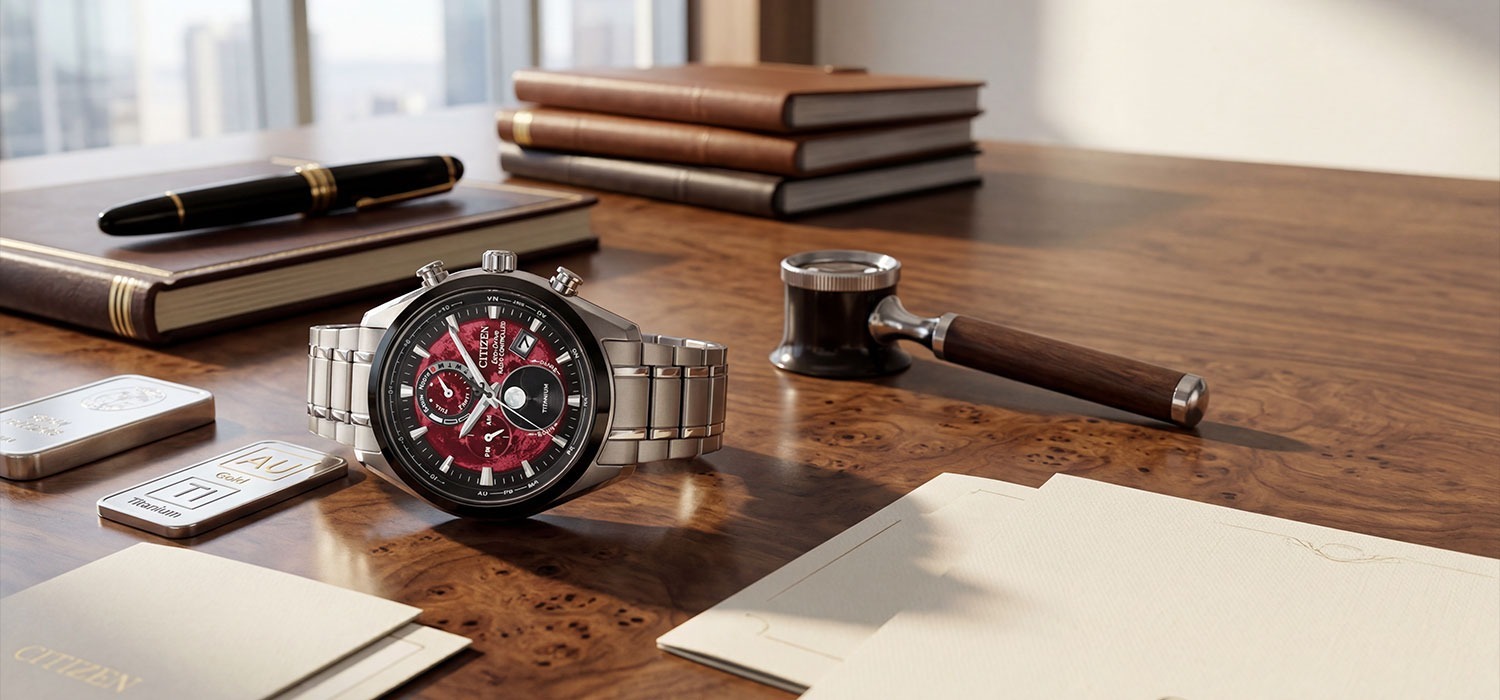
A thoughtful watch-buying guide should begin with one principle. Buy a watch you will enjoy wearing. Value matters, but personal connection matters too. A watch that brings daily satisfaction has meaning beyond its resale price.
For buyers who also care about watch investment potential, research is essential. Start with reputable watch brands that have proven demand. Study luxury watch brands with established histories, recognizable models, and strong service networks. Look at resale performance, not just retail price.
Consider the different types of watches and how they fit your lifestyle. A durable sports watch may suit daily wear, while a refined dress watch may feel more appropriate for formal occasions. Some buyers prefer mechanical chronographs, while others favor simple time-only designs. Each category has its own collector base and resale behavior.
Avoid buying only because of hype. A popular model today may not hold the same appeal tomorrow. Similarly, discount watches should be evaluated carefully. A lower price can be attractive, but frequent discounting may weaken long-term market confidence.
For pre-owned luxury watches, insist on watch authentication, clear documentation, and a trusted seller. Condition, originality, and service history should be reviewed before purchase. A strong deal is not only about price. It is about confidence.
The best watch buying guide balances emotion and discipline. Choose craftsmanship you admire, a brand you respect, and a price that reflects the market.
Final Thoughts
Brand reputation is one of the most powerful forces behind watch resale value. It creates trust, liquidity, demand, and confidence. While materials, movement quality, and design all matter, buyers often pay more for a name they recognize and respect.
Luxury watch resale value is strongest when brand heritage, scarcity, condition, documentation, and authentication work together. Not all luxury watches appreciate, and most watches depreciate after purchase, but informed buyers can reduce risk by focusing on reputable watch brands and proven models.
Inventory Adjusters has served customers since 1983 with a commitment to authenticity, selection, and satisfaction. For buyers considering luxury watches, pre-owned pieces, or long-term value, knowledge is the finest companion to craftsmanship.
FAQ
1. What role does brand reputation play in watch resale value?
Brand reputation influences buyer confidence, market demand, and long-term desirability. Watches from highly respected brands typically attract more buyers and stronger resale prices because consumers trust their quality, heritage, and authenticity.
2. Why do some luxury watches retain value better than others?
Some luxury watches retain value better because they come from reputable watch brands with strong demand, controlled supply, iconic designs, and active collector interest.
3. Do watches depreciate immediately after purchase?
Yes, many watches depreciate after purchase. However, select models from leading luxury watch brands may retain value or sell above retail when demand exceeds supply.
4. What are the best watches that appreciate?
Watches that appreciates often include select models from Rolex, Patek Philippe, and Audemars Piguet. Examples frequently discussed by collectors include the Rolex Daytona, Rolex Submariner, Patek Philippe Nautilus, and Audemars Piguet Royal Oak.
5. Are pre-owned luxury watches a good investment?
Pre-owned luxury watches can be a good value-focused choice when purchased from reputable sellers with proper watch authentication. They may reduce exposure to first-owner depreciation and offer access to desirable discontinued models.
6. How important is watch authentication when buying pre-owned?
Watch authentication is essential. It protects buyers from counterfeit products, confirms originality, supports buyer confidence, and helps preserve future watch resale value.
7. Do limited edition watches always increase in value?
No, limited edition watches do not always increase in value. Rarity helps only when there is strong demand, brand reputation, historical importance, and collector interest.
8. Should I buy a watch for investment or enjoyment?
A watch should first be purchased for enjoyment. Watch investment potential can be a valuable benefit, but only a small portion of luxury watches consistently appreciate over time.
Newest Guide & Blog Updates
How to Tell If a Watch Has Sapphire Crystal
If you are wondering how to tell if a watch has a sapphire crystal, online advice can be confusing....
Is Sapphire Crystal Worth Paying More For?
You are comparing two similar watches. One uses mineral glass, while the other has sapphire crystal...
Watch Crystal Types Explained: Sapphire, Mineral, and Acrylic
A watch crystal does more than protect the dial. It influences how your watch looks, how easily it...
Why Does an Automatic Watch Stop When You Don't Wear It?
An automatic watch stops when the energy stored inside its mainspring runs out. Unlike a battery-po...
How Long Can an Automatic Watch Run Without Being Worn?
Most automatic watches run for approximately 38–42 hours without being worn, or roughly a day and a...
What Is Power Reserve on a Mechanical Watch?
When shopping for a mechanical watch, you may notice specifications such as "38-hour power reserve"...