
How to Store Your Watches Properly to Extend Their Lifespan


Buying a great timepiece is an exciting experience, but many owners overlook what happens when the watch comes off the wrist. Proper watch storage helps protect watches from scratches, moisture, dust, magnetic exposure, and premature wear that can shorten their lifespan. Whether you own a single daily wearer or a growing rotation of timepieces, learning how to store watches correctly is a fundamental part of ownership.
Good storage habits go far beyond just keeping your items out of sight. They directly impact a watch's mechanical accuracy, the condition of its strap, and its overall long-term value. Watch storage refers to protective organization methods that help preserve watches between uses. By adopting a practical mindset toward organizing and protecting your timepieces, you ensure they remain reliable and visually appealing for years to come. In this guide, we will break down exactly how to protect your timepieces to maximize your watch lifespan.
Why Watch Storage Affects Long-Term Performance
It is easy to assume that an everyday men’s watch sitting still is safe from harm, but passive environmental factors are often the biggest threat to a timepiece. Consistent watch maintenance and proper storage conditions help preserve both cosmetic appearance and movement performance over time.
When timepieces are left exposed on dressers or bathroom counters, they face a constant barrage of invisible threats. Dust easily settles into the microscopic crevices of bezels and pushers, acting as an abrasive element that can wear down metal finishes. Moisture from steamy bathrooms is even more dangerous; humidity exposure can damage leather straps and internal watch components over time. Even direct sunlight can prematurely fade dial colors and dry out leather bands.
Leaving watches loose in drawers increases the risk of scratches and moisture exposure compared to structured watch storage solutions. Every time the drawer opens and closes, loose items collide. Over months and years, these tiny impacts degrade the crystal and case. Good watch preservation requires creating a stable, controlled environment. Implementing basic watch care tips—like keeping your timepieces away from extreme temperature shifts and humidity—ensures the internal lubricants remain effective and the exterior remains pristine.
The Best Watch Storage Options for Everyday Use
Choosing the right physical location for both men's and women’s watches helps prevent daily damage and makes selecting your watch for the day much easier. There are several highly effective solutions on the market, ranging from simple soft pouches to dedicated organization systems.
Watch storage boxes with soft-lined interiors help prevent scratches while keeping watches organized and protected from dust. Watch boxes provide better scratch protection than loose drawer storage, making them a staple for anyone who owns more than one timepiece. When selecting a box, look for plush cushion support that mimics the shape of a wrist; this prevents straps and bracelets from developing unnatural creases or stress points.
For those who travel frequently or want a more compact solution, watch rolls are incredibly practical watch accessories. Typically made of leather or canvas with soft interiors, they allow you to securely snap the watch around a rigid cushion, sliding it into a protective cylinder. This is one of the most space-efficient storage cases for watches.
If you prefer to keep your watches out of sight, dedicated storage drawers with built-in dividers offer excellent protection while maintaining a minimalist bedroom aesthetic. Conversely, glass-top display cases allow you to view your items without exposing them to open air, though they should be kept away from windows to avoid UV damage.
|
Storage Option |
Best Use Case |
Key Practical Benefit |
|
Watch Storage Boxes |
Everyday home organization |
Complete dust and scratch protection |
|
Watch Rolls |
Traveling and compact spaces |
Secure cushion support in transit |
|
Storage Drawers |
Large rotations |
Keeps pieces out of sight and secure |
|
Display Cases |
Visual organization |
Allows easy daily selection |
By investing in proper watch storage accessories, you create a reliable, safe home for your timepieces that fundamentally protects them from daily environmental hazards.
Storage Tips for Different Types of Watches
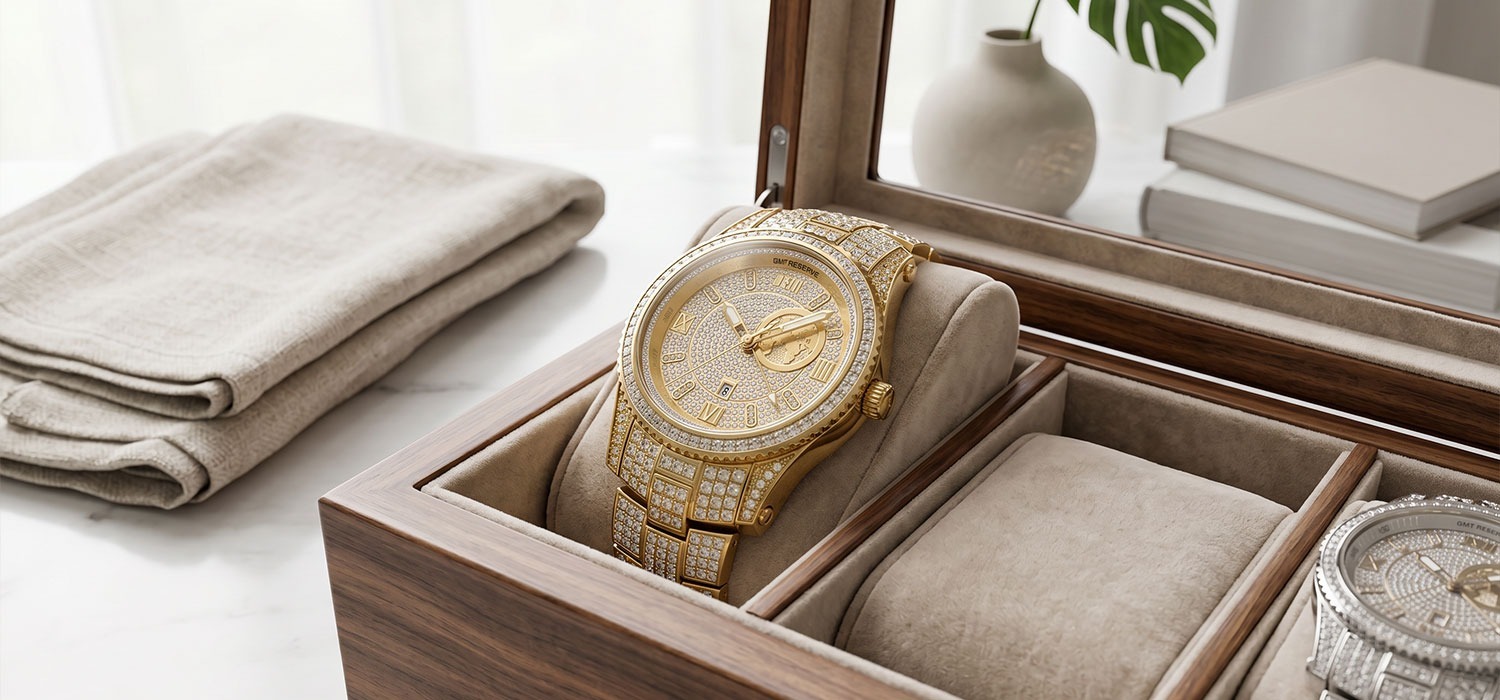
Different types of watches may require different storage approaches depending on movement type, strap material, and frequency of use. A one-size-fits-all approach often fails to address the unique needs of specific materials and mechanisms in your watch collection.
Quartz Watches
Because they run on battery power, quartz watches will continuously tick whether they are worn or stored. If you plan to store a quartz watch for several months or years without wearing it, it is often best to have the battery removed by a professional. A dead battery left inside a watch for too long can leak corrosive acid, completely destroying the internal movement.
Automatic Watches
Automatic movements wind themselves using the motion of your wrist. When placed in storage, they will eventually stop running (usually within 40 to 70 hours). For daily wearers, some owners use watch winders—devices that slowly rotate the watch to keep the mainspring wound. While convenient for keeping calendars and moon phases accurate, winders are not strictly necessary if you don't mind resetting the time when you pick the watch back up.
Mechanical Watches
Traditional hand-wound mechanical watches should simply be allowed to wind down and stop before being placed in storage. Leaving them in a stopped state causes no harm to the internal gears.
Dress Watches vs. Sport Watches
Leather-strap dress watches generally require drier storage conditions than sport watches with rubber or stainless steel bracelets. Leather is highly porous and will absorb ambient moisture, leading to mold or cracking over time. Therefore, designer everyday watches with leather bands must be kept in well-ventilated, dry boxes. On the other hand, stainless steel sport watches can handle slightly more varied environments, though they still benefit immensely from soft-lined compartments to prevent metal-on-metal scratching.
Tailoring your approach based on these physical characteristics ensures that every piece in your automatic watch collections or quartz lineup remains in optimal condition.
Watch Storage Mistakes That Can Shorten Lifespan
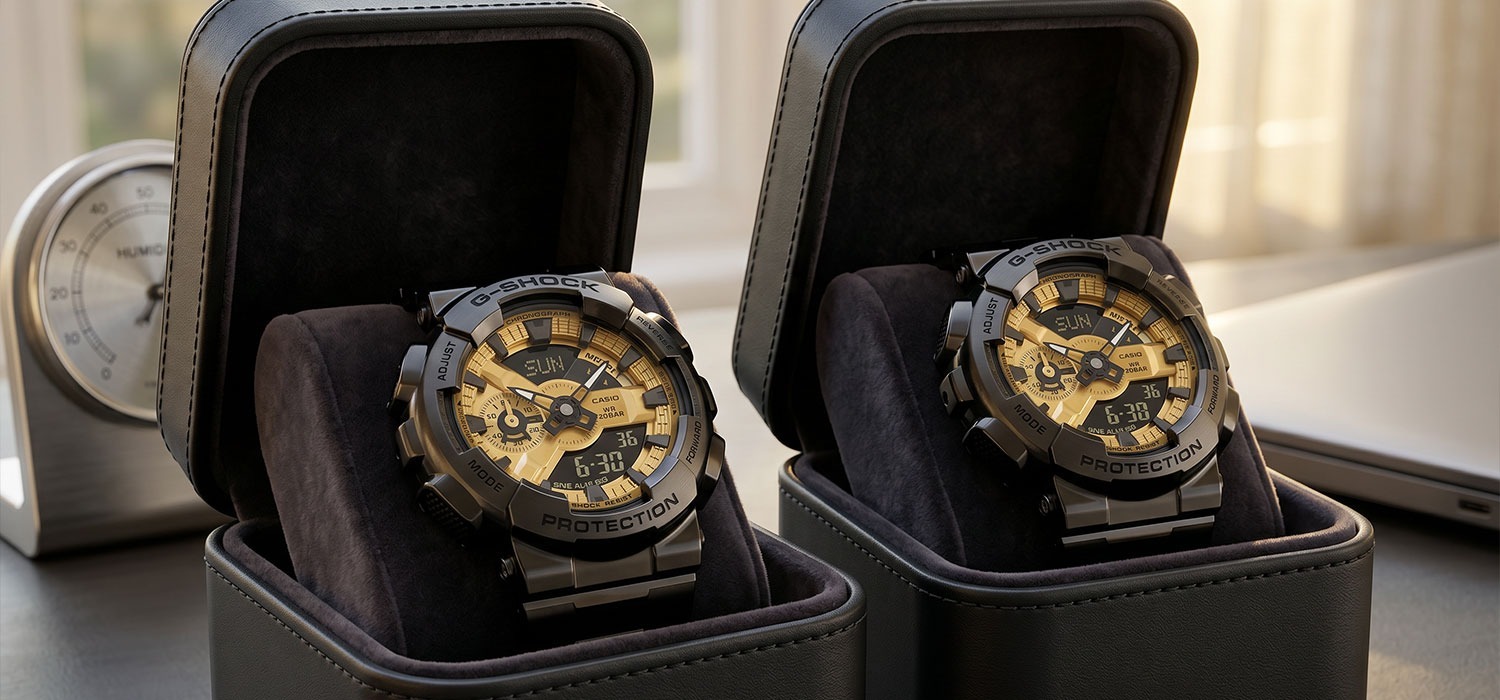
Even well-intentioned owners can accidentally damage their timepieces by storing them in the wrong environments. Heat, humidity, and magnetic exposure are some of the most common environmental factors that negatively affect watch lifespan. Learning how to store watches means knowing exactly what hazards to avoid.
To ensure proper watch maintenance, avoid these common storage traps:
- Humid Bathrooms: Daily fluctuations in steam and heat compromise the rubber gaskets that keep water out of the watch case. Moisture can seep under the crystal, eventually rusting the hands and dial.
- Direct Sunlight: Watches should be stored in cool, dry environments away from direct sunlight. UV rays act like a magnifying glass, fading dial paint and drying out internal lubricants.
- Magnetic Electronics: Placing your watch on top of speakers, laptops, or tablets can magnetize the metallic hairspring inside a mechanical watch, causing it to run erratically fast.
- Loose Drawer Storage: Tossing watches carelessly into bedside drawers with keys and loose change is a guaranteed way to accumulate deep scratches on the case and crystal.
Taking a few extra seconds to place the watch back into a dedicated box or roll will dramatically extend its pristine appearance and functional life.
Smart Watch Storage for Expanding Collections
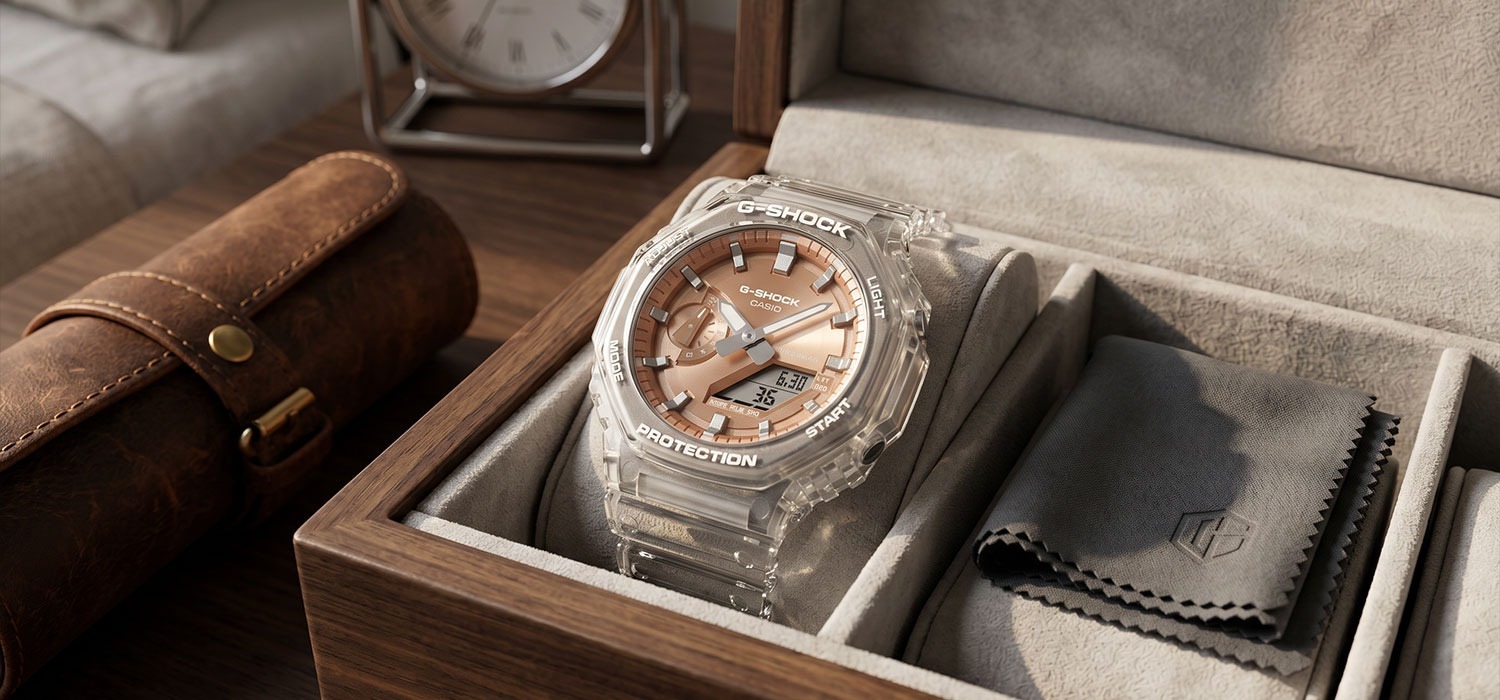
As you acquire more timepieces, keeping them organized becomes just as important as keeping them safe. A structured watch collection setup helps reduce accidental damage while making daily watch rotation more convenient.
When your rotation outgrows a standard bedside tray, implement these smart organization strategies:
- Organize by Style: Group your formal pieces together, keep your robust daily wearers in the most accessible slots, and store seasonal items in the back. This saves time in the morning and ensures you utilize the entire collection.
- Prioritize Individual Compartments: Dedicated watch storage cases help reduce accidental damage in larger watch collections. Ensure each watch has its own slot so they do not slide into one another and scratch when the box is moved.
- Utilize Space-Saving Storage: Expand into multi-tier boxes or stackable drawer inserts. This allows you to maintain a clean aesthetic without cluttering your bedroom surfaces.
- Protect Your Gear: Treat your watch accessories with the same care as the watches themselves. Keep the storage boxes dusted and the interior cushions free from debris.
Long-Term Watch Maintenance and Preservation Tips
Protecting a watch over decades requires a combination of smart environmental controls and professional upkeep. Long-term watch preservation depends on both proper storage conditions and regular maintenance over the life of the watch.
If you are packing a watch away for several months or years, follow these essential preservation steps:
- Control Moisture: Place a small silica gel packet inside the storage box to aggressively combat ambient humidity and protect against internal rusting.
- Maintain Stable Temperatures: Ensure the storage location maintains a stable room temperature, free from attic heat or basement dampness, which can degrade gaskets and dials.
- Operate Mechanical Movements: Mechanical watches benefit from periodic servicing even during long-term storage. To prevent synthetic oils from pooling or drying out, take the watch out once a month, wind it fully, and let it run until it stops to redistribute the lubricants.
- Remove Quartz Batteries: Always remove the battery from a quartz watch before long-term storage to prevent corrosive acid leaks that destroy the movement.
Ultimately, true watch maintenance is about proactive care. By combining consistent cleaning, structured storage, and adherence to professional servicing intervals, you guarantee that your timepieces will maintain their structural integrity and mechanical accuracy for generations.
Frequently Asked Questions
1. What is the best way to store watches at home?
The best way to practice proper watch storage at home is to keep your timepieces in a cool, dry room away from direct sunlight and extreme temperature changes. Using a dedicated watch box with soft interior lining and individual cushions ensures the watches remain organized, protected from airborne dust, and safe from accidental scratches.
2. Are watch storage boxes worth buying?
Yes, watch storage boxes are highly practical investments for anyone who owns more than one timepiece. They provide structured organization, prevent metal-on-metal scratching by keeping watches separated, and shield the dials from dust and UV light, which are crucial factors for long-term collector protection and daily convenience.
3. Can improper watch storage damage a watch?
Absolutely. Leaving watches in humid environments like bathrooms can rust internal parts and ruin leather straps. Storing them near magnetic electronics can disrupt their accuracy, and tossing them loosely into drawers practically guarantees scratches on the crystal and case. Poor storage habits directly reduce your watch lifespan.
4. Should automatic watches be stored in a watch winder?
Watch winders are convenient for daily wearers or complicated watches (like perpetual calendars) that are tedious to reset. However, they are not strictly necessary for occasional-use watches. Letting an automatic watch wind down and stop while in storage causes no mechanical harm and actually reduces wear and tear on the internal gears.
5. How should I store watches with leather straps?
Leather requires specific watch care tips because it is sensitive to the environment. Store leather-strap watches in a well-ventilated, dry space, away from direct sunlight which can cause fading and cracking. If the strap is exposed to sweat or moisture, allow it to air-dry completely before placing it inside a closed box to prevent mold.
6. Is it bad to keep watches in a drawer?
Keeping watches in a drawer is only harmful if they are left loose to slide around and bump into other objects. Learning how to store watches safely in a drawer means utilizing padded drawer inserts or placing them inside protective watch rolls and pouches to provide necessary cushion support and scratch prevention.
7. How do I protect a growing watch collection?
To protect an expanding watch collection, upgrade to multi-slot storage boxes or stackable cases that keep pieces physically separated. Implement a rotation strategy so timepieces aren't neglected, and keep track of when each mechanical watch is due for a service, ensuring your storage expansion matches your maintenance habits.
8. How often should watches be cleaned and maintained?
Basic watch maintenance involves wiping the watch with a microfiber cloth after every few wears. Quartz watches need battery checks every two to three years. Mechanical and automatic watches should receive professional preventive maintenance and internal lubrication servicing every five to seven years to ensure optimal performance.
Newest Guide & Blog Updates

How to Tell If a Watch Has Sapphire Crystal
If you are wondering how to tell if a watch has a sapphire crystal, online advice can be confusing....

Is Sapphire Crystal Worth Paying More For?
You are comparing two similar watches. One uses mineral glass, while the other has sapphire crystal...

Watch Crystal Types Explained: Sapphire, Mineral, and Acrylic
A watch crystal does more than protect the dial. It influences how your watch looks, how easily it...

Why Does an Automatic Watch Stop When You Don't Wear It?
An automatic watch stops when the energy stored inside its mainspring runs out. Unlike a battery-po...

How Long Can an Automatic Watch Run Without Being Worn?
Most automatic watches run for approximately 38–42 hours without being worn, or roughly a day and a...
What Is Power Reserve on a Mechanical Watch?
When shopping for a mechanical watch, you may notice specifications such as "38-hour power reserve"...