
Key Watch Features That Actually Matter And What You Can Ignore
Buying a watch today can feel confusing. Product pages often list endless watch features, technical claims, materials, movement details, water-resistance ratings, and style terms that may sound important but do not always affect daily use. A good watch buying guide should help you separate what truly matters from what simply looks impressive on a spec sheet.
If you are learning how to choose a watch, start with comfort, durability, movement type, strap quality, and design versatility. These factors affect how often you wear the watch, how long it lasts, and whether it still feels right a few years from now.
The good news is that many affordable watches today offer better quality than buyers expect. You do not always need the most expensive model, the most complex movement, or the longest feature list. You need a watch that fits your wrist, suits your lifestyle, and delivers dependable everyday performance.
The Most Important Watch Feature Is Wearability
The most overlooked factor in choosing a watch is wearability. A watch can have excellent materials and impressive specifications, but if it feels too large, too heavy, or awkward on your wrist, you will not enjoy wearing it. Comfort matters more than most buyers realize.
When learning how to choose a watch for your wrist size, look beyond case diameter alone. Case size is important, but lug-to-lug distance, thickness, strap shape, and weight also affect fit. A 40mm watch with long lugs can feel larger than a 42mm watch with compact proportions.
Most men with average wrists wear watches between 38mm and 42mm comfortably. That does not mean every buyer must stay inside that range, but it is a useful starting point. If you are researching how to choose a men's watch, think about where and how you will wear it. A large sports watch may work for casual outfits, while a slimmer dress watch may fit better under a shirt cuff.
Good watch design also supports comfort. Balanced case proportions, clear dial spacing, and a strap that bends naturally around the wrist can make a watch feel better throughout the day. Oversized watches often look appealing online but feel tiring in real life. For daily wear, wrist fit usually matters more than an impressive feature list.
Understanding Watch Movement Types
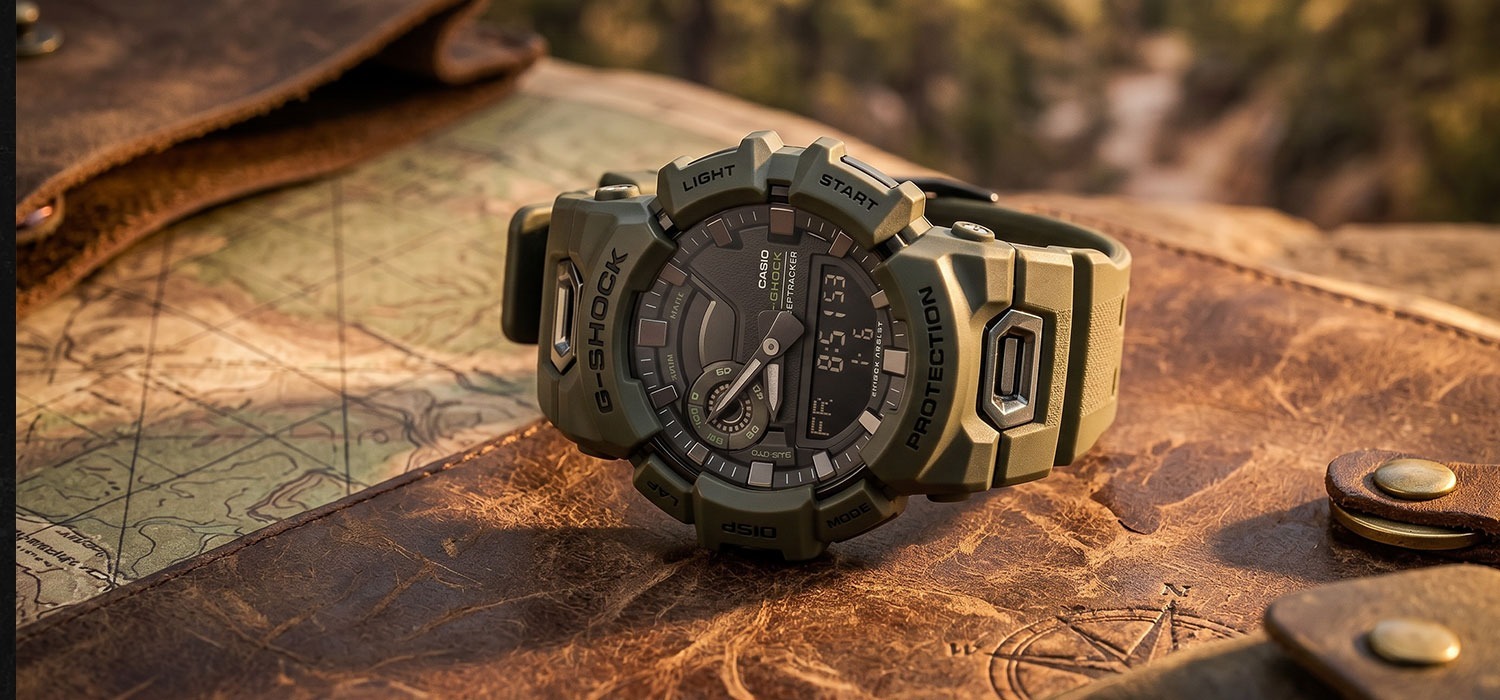
One of the most common questions in any watch buying guide is the difference between quartz, automatic, and mechanical movements. Understanding watch movement types helps you choose based on your lifestyle rather than guessing from price alone.
A quartz watch uses a battery-powered movement. It is usually accurate, low-maintenance, and more affordable than many mechanical options. Quartz is a strong choice for buyers who want reliability and simplicity. If you want a watch that keeps time well without winding or daily wear, quartz makes sense.
An automatic watch is powered by wrist movement. As you wear it, a rotor inside the watch winds the mainspring. Automatic watches appeal to buyers who enjoy traditional watchmaking but still want convenience. They are less accurate than quartz in most cases, but they offer a more mechanical ownership experience.
A mechanical watch, also called a manual-wind watch, must be wound by hand. It does not use a battery, and it does not wind itself through wrist motion. A hand-wound watch can feel personal and traditional, but it requires more attention.
When comparing automatic, mechanical, and quartz watch options, think practically. Quartz is the easiest to own. Automatic gives you mechanical charm with less daily effort. Manual mechanical watches are best for buyers who enjoy the ritual of winding.
Your choice should not be based only on prestige. The best watch movement types are the ones that match how you want to use the watch. If accuracy and low upkeep matter most, quartz is sensible. If you want tradition and movement character, automatic or mechanical may feel more rewarding.
These movement choices are also part of the broader watch specifications buyers should know before spending more money. A movement can influence price, servicing, thickness, power reserve, and long-term maintenance needs.
Which Watch Materials Actually Matter?
Some materials make a major difference in daily use, while others matter less than marketing suggests. The most useful watch specifications are the ones that affect durability, comfort, and long-term appearance.
A sapphire crystal is one of the few premium watch features that most buyers will notice in daily use because of its scratch resistance. Compared with a mineral crystal, sapphire is harder to mark through normal wear and tear. If you plan to wear your watch often, sapphire is worth considering.
Case material also matters. Stainless steel is common because it is durable, widely available, and works well for many styles. Titanium is lighter, which can help if you dislike heavy watches. Ceramic can resist scratches well, but it may be more brittle if hit hard. These materials all have a place, but stainless steel remains one of the safest choices for most buyers.
Water resistance is another key point. You do not need extreme depth ratings for daily life. A watch with basic splash resistance may be fine for office wear, while a sports or travel watch should offer stronger protection. For swimming, look for a watch built for that purpose, not just one with vague water-resistant wording.
If you want durable watches, focus on crystal quality, case construction, crown security, bracelet strength, and realistic water resistance. These factors matter more than decorative claims or dramatic product wording.
Watch Strap Materials Matter More Than You Think
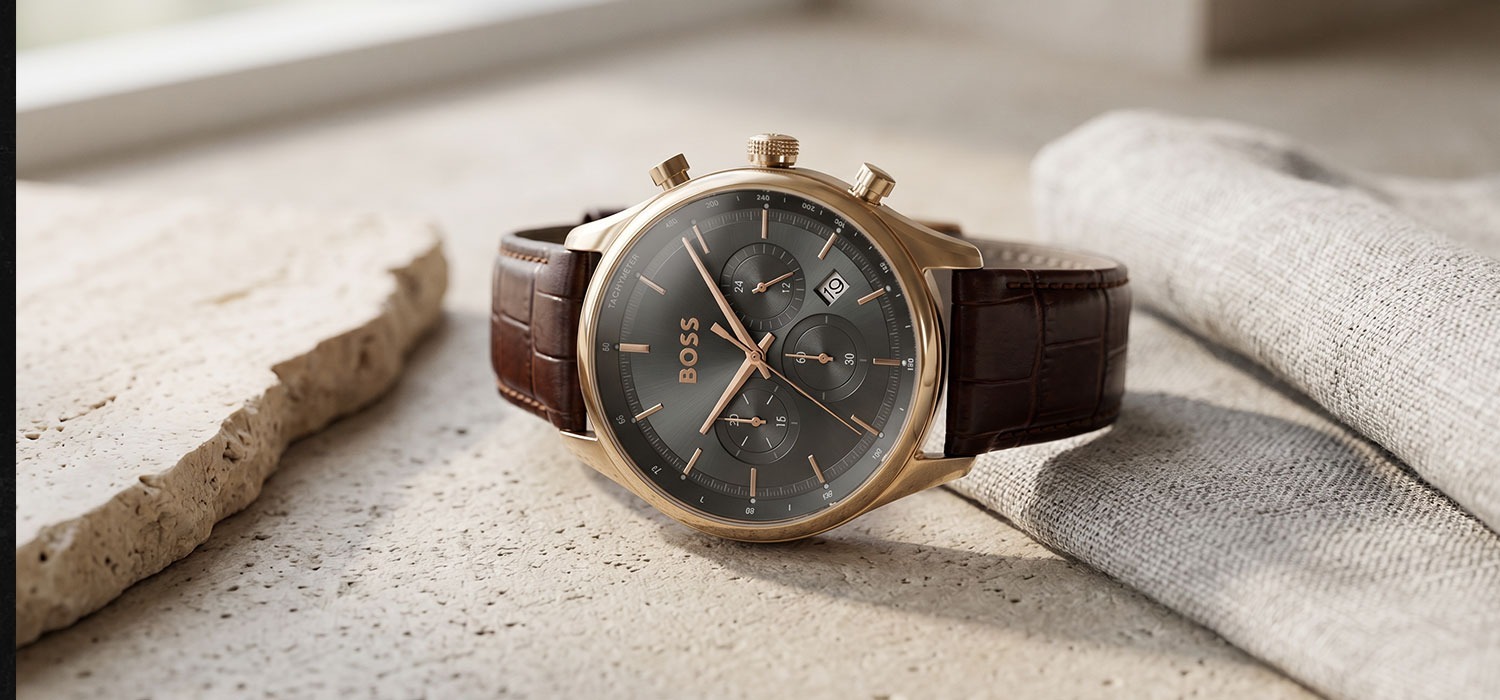
Straps and bracelets can change how a watch feels more than almost any other part. Good watch strap materials improve comfort, appearance, and daily usefulness.
Leather straps are elegant and work well with dress watches, office wear, and evening outfits. However, leather can wear more quickly in hot or humid climates, especially when exposed to sweat. Rubber straps are better for sports, travel, and warm weather. They are flexible, easy to clean, and often more practical for active use.
NATO-style fabric straps are light, casual, and easy to replace. They work well on field watches and weekend watches. Stainless steel bracelets feel more solid and can last a long time when built well. They also make a watch easier to wear across different outfits.
If you want high quality watch bands, check the buckle, stitching, links, clasp, flexibility, and comfort on the wrist. A good strap or bracelet can make an affordable watch feel more refined. Poor straps can make even an expensive watch feel disappointing.
The best watch strap materials depend on climate and lifestyle. Leather suits for dress use. Rubber suits active wear. Steel works well for daily versatility. Fabric works best for casual comfort.
Watch Complications Worth Paying For
Watch complications are additional functions beyond standard timekeeping. Common examples include a date window, GMT hand, chronograph, moonphase, annual calendar, power reserve indicator, and alarm function.
Some complications are genuinely useful. A date window is helpful to many buyers in daily life. A GMT function is helpful for travelers or people who work across time zones. A chronograph can be useful if you regularly time short tasks, though many owners prefer its appearance to its function. A power reserve indicator is useful on mechanical watches because it shows how much running time remains.
Other watch complications are more about prestige or visual interest. A moonphase can look beautiful, but most buyers do not need it for practical use. A tourbillon is impressive from a watchmaking perspective, but it rarely matters for everyday ownership. Extreme water resistance can also be unnecessary unless you truly need a professional dive-style watch.
The best approach is simple. Pay for complications you will actually use or truly enjoy looking at. Avoid paying more only because a watch has a longer list of functions.
In practical terms, useful watch features should make ownership easier, more comfortable, or more enjoyable. If a feature sounds impressive but doesn't suit your lifestyle, it may not be worth the extra cost.
Why Watch Design Often Matters More Than Specs
A watch is not only a technical object. It is something you wear, see, and pair with your clothing. That is why watch design often matters more than many buyers expect.
A well-designed, affordable watch usually delivers more long-term satisfaction than a poorly designed, expensive one. Good design includes dial readability, balanced proportions, suitable case thickness, attractive colors, and a style that fits your wardrobe.
There are many types of watches, including dress watches, field watches, dive-style watches, chronographs, pilot watches, and everyday casual watches. Each type serves a different purpose. A dress watch may look best with formal clothing, while a field watch may suit casual daily outfits. A sports watch may offer durability, but it may not work as well with business attire.
If you are buying one watch, choose a design that covers most of your daily life. Neutral dial colors like black, white, silver, navy, or grey are easier to wear. Extremely bold colors or trendy case shapes may feel exciting at first, but may not age as well.
Many affordable watches now offer strong design, solid materials, and reliable movements. That means you can choose based on fit and versatility rather than assuming a higher price automatically means a better long-term choice.
Which Watch Features Are Mostly Marketing?
Not every feature deserves your attention. Some watch features sound valuable,e but matter very little for most buyers.
Extreme water resistance is a common example. If you are not diving, you likely do not need a very high depth rating. A reasonable level of water resistance is useful, but professional-level ratings are often unnecessary for office or casual wear.
Limited edition language can also be misleading. Some limited watches are genuinely collectible, but many are simply variations with small changes. Buy a limited model because you like it, not only because the product page says it is rare.
Oversized cases are another issue. Large watches can look strong in photos, but they may wear poorly if the proportions do not match your wrist. A watch that fits well will usually look more refined than one that is too large.
Decorative movement descriptions can also confuse beginners. A visible caseback or decorated rotor may be nice, but it should not distract from movement reliability, servicing expectations, or comfort.
A good watch buying guide should remind buyers that practical ownership matters more than marketing language. Before paying extra, ask whether the feature improves comfort, durability, accuracy, usability, or long-term enjoyment.
How to Prioritize Watch Features Based on Your Lifestyle
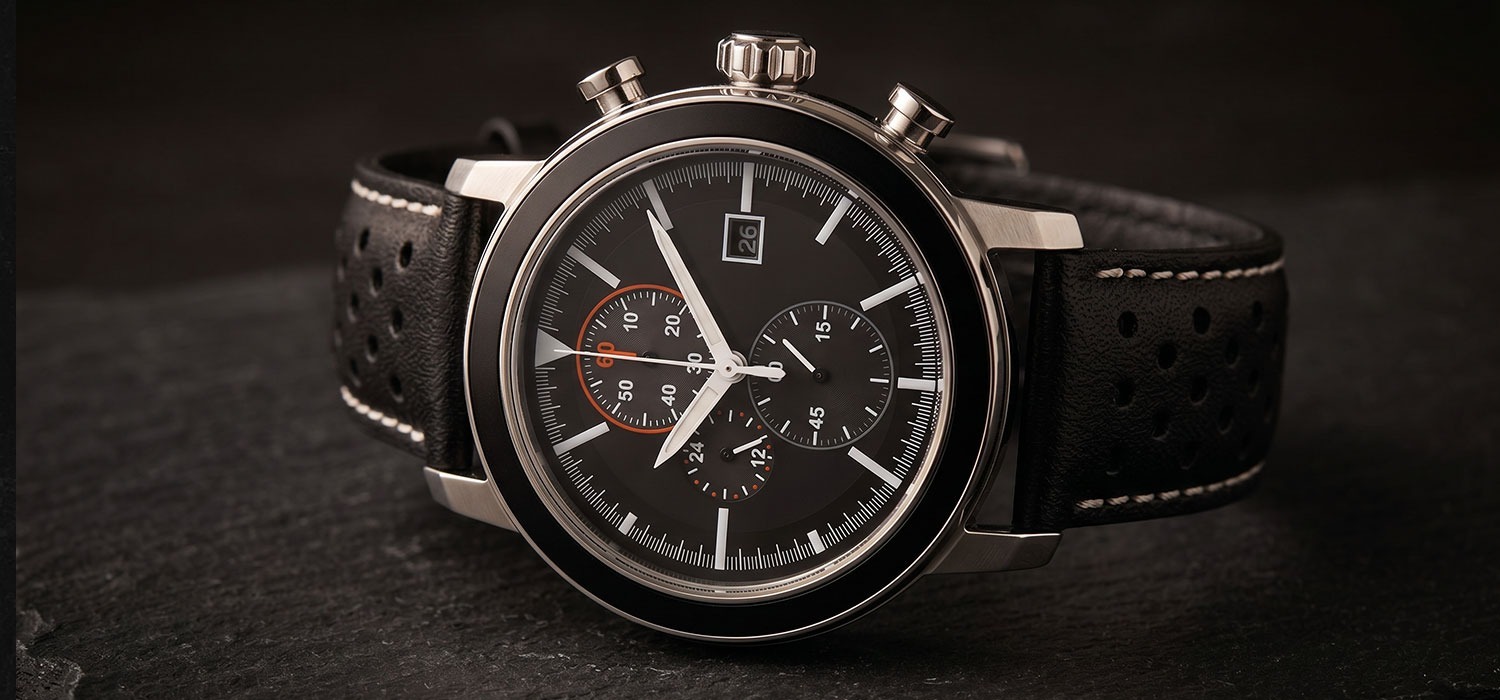
The best way to choose a watch is to match it to your lifestyle. Different buyers need different features.
For office wear, focus on comfort, moderate case size, clean design, and a strap or bracelet that works with business clothing. For travel, a GMT function, a durable case, and a comfortable bracelet can be useful. For sports and outdoor use, prioritize durable watches, rubber straps, water resistance, and easy readability.
For dress occasions, slimness, dial simplicity, and elegant proportions matter more than heavy specifications. For everyday versatility, look for a watch that can move between casual outfits, workwear, and weekend use without feeling out of place.
Understanding different types of watches helps you avoid buying the wrong style. A bold sports watch may not replace a formal dress watch, and a delicate dress watch may not be ideal for travel or rough daily use.
The goal is not to buy the watch with the most features. The goal is to buy the watch with the right features for your life.
Wrapping Up
The most important watch features are not always the ones highlighted first on a product page. Comfort, fit, movement type, durability, strap quality, readability, and design versatility matter more than most marketing claims.
A practical watch buying guide should help you choose with confidence, not overwhelm you with terminology. Once you know movement choices, useful materials, strap options, and design tradeoffs, it becomes much easier to judge value.
If you are learning how to choose a watch, start with your wrist, your lifestyle, and your daily clothing. Then compare features based on real use. Many affordable watches today offer excellent ownership value when chosen carefully, so you do not need to overpay for features you will never use.
FAQs
1. What watch features matter most when buying a watch?
The most important watch features are comfort, movement reliability, durability, readability, water resistance, strap quality, and design versatility. These affect daily ownership more than rare complications or dramatic marketing claims. A watch should fit well, keep reliable time, suit your wardrobe, and hold up to normal wear and tear.
2. How do I choose the right watch for my wrist size?
When learning how to choose a watch for your wrist size, check the case diameter, lug-to-lug length, case thickness, and strap fit. Most average wrists suit watches between 38mm and 42mm, but proportions matter as much as size. A well-balanced watch will look better and feel more comfortable.
3. What is the difference between automatic, mechanical, and quartz watches?
The simplest explanation of automatic vs mechanical vs quartz watches is this. Quartz uses a battery. Automatic watches are mechanical but wind through wrist motion. Manual mechanical watches must be wound by hand. Quartz is usually most accurate and low-maintenance, while automatic and mechanical watches offer a more traditional ownership feel.
4. Which watch strap materials last the longest?
The longest-lasting watch strap materials are usually stainless steel bracelets and quality rubber straps. Leather can look refined but may wear faster with sweat, humidity, and daily use. High quality watch bands should have strong stitching, secure clasps, comfortable flexibility, and materials suited to your climate.
5. Are expensive watch complications worth it?
Some watch complications are worth paying for if you use them. Date windows, GMT functions, chronographs, and power reserve indicators can be practical. Complications such as moonphase or tourbillon features are often more about beauty or prestige than daily usefulness.
6. What makes a watch durable?
Durable watches usually include strong case materials, scratch-resistant crystal, solid bracelet or strap construction, suitable water resistance, and a secure crown. Sapphire crystal, stainless steel, and well-built bracelets are often more useful than decorative extras.
7. How important is watch design compared to specifications?
Watch design is very important because it affects how often you will wear the watch. Strong watch specifications matter, but if the watch does not fit your style or wrist, it may sit unused. Good design gives a watch long-term appeal.
8. Are affordable watches still good quality today?
Yes, many affordable watches offer good quality today because modern manufacturing has improved materials, movement reliability, and finishing across many price points. Buyers can find strong value by focusing on fit, movement, case material, strap quality, and brand reputation.
Newest Guide & Blog Updates
How to Tell If a Watch Has Sapphire Crystal
If you are wondering how to tell if a watch has a sapphire crystal, online advice can be confusing....

Is Sapphire Crystal Worth Paying More For?
You are comparing two similar watches. One uses mineral glass, while the other has sapphire crystal...
Watch Crystal Types Explained: Sapphire, Mineral, and Acrylic
A watch crystal does more than protect the dial. It influences how your watch looks, how easily it...
Why Does an Automatic Watch Stop When You Don't Wear It?
An automatic watch stops when the energy stored inside its mainspring runs out. Unlike a battery-po...
How Long Can an Automatic Watch Run Without Being Worn?
Most automatic watches run for approximately 38–42 hours without being worn, or roughly a day and a...
What Is Power Reserve on a Mechanical Watch?
When shopping for a mechanical watch, you may notice specifications such as "38-hour power reserve"...