
New vs Pre-Owned Luxury Watches- Which Is the Smarter Buy?
Buying a luxury watch feels exciting until one question changes the whole decision- should you buy new or go pre owned? For many buyers, this is not just about style. It is about price, trust, long-term value, and whether the watch you choose truly fits your goals. Some buyers want the untouched feel of new watches. Others see pre-owned watches as the smarter option because they can access premium models at a lower cost.
Both options can make sense. The better choice depends on what matters most to you. Are you buying your first premium timepiece? Are you looking for better value? Do you want a discontinued model that is no longer sold in boutiques? Are you worried about authenticity?
This watch-buying guide breaks down the real trade-offs so you can make a confident choice. We will compare pricing, condition, risk, long-term value, and buyer fit. We will also walk you through how to authenticate a pre-owned watch, explain what certified options mean, and help you decide which route makes the most sense for your budget and expectations.
What Are Luxury Watches?
Luxury watches are timepieces that place greater emphasis on craftsmanship, heritage, materials, movement quality, and long-term desirability than standard mass-market watches. What separates them from ordinary watches is not just price. It is the level of detail. Cases may be made with premium steel, gold, titanium, or ceramic. Movements are often mechanical and carefully finished. The design language is usually tied to a brand’s history, which gives many pieces lasting appeal.
Many buyers are drawn to luxury watch brands because these watches can represent more than a way to tell time. They can mark milestones, reflect personal taste, or become part of a collection passed down over time. That said, buying a luxury watch without understanding the market can lead to mistakes. Price alone does not tell you whether a piece is worth buying.
That is why it helps to look beyond the surface. Whether you are comparing current retail models or browsing pre-owned watches, understanding the category first makes every later decision easier.
Types of Watches Explained
Before choosing between new and pre-owned, it helps to know the main types of watches available. Different styles serve different purposes, and that affects both price and resale demand.
Dress Watches
Dress watches are usually slimmer, cleaner, and more understated. They often pair well with formal clothing and focus on elegance rather than extra features. Buyers who want timeless styling often start here.
Sports Watches
Sports models are some of the most popular in the luxury space. They usually offer stronger water resistance, more durable cases, and versatile styling that works for daily wear. Many buyers looking at different types of watches end up drawn to sports pieces because they are practical and easy to wear.
Dive Watches
Dive watches are built for water use, though many owners wear them as everyday watches. Strong cases, rotating bezels, and bold legibility make them one of the most recognized categories in the market.
Chronographs
Chronographs include stopwatch functionality and usually have a more technical look. They often appeal to buyers who like more detail on the dial and a sportier appearance.
Learning these types of watches matters because resale performance can differ by category. Some sports and dive models hold value better than more niche pieces. So when using a wristwatch buying guide, it is smart to think not only about looks, but also about how the watch fits your lifestyle and whether demand for that category remains strong over time.
Buying New Watches- Pros and Cons
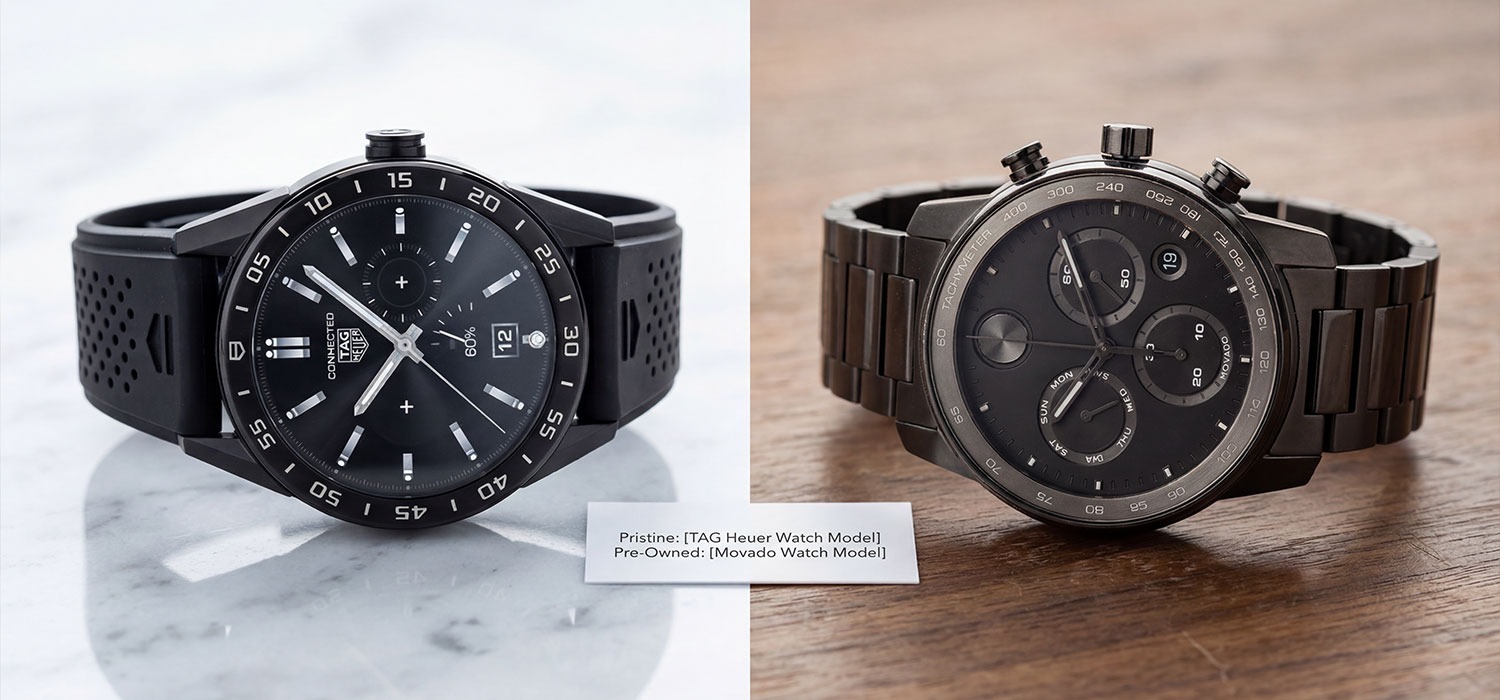
There is a reason many buyers still prefer new watches. The experience feels simple, clean, and low risk. You get a watch in untouched condition, usually with full packaging, documentation, and the manufacturer's warranty.
Pros of Buying New
A new watch offers peace of mind. You know its history starts with you. There is no concern about hidden wear, replaced parts, or poor servicing from a past owner. You also get access to the latest releases, updated movements, and current warranty coverage.
For buyers who care about the full retail experience, buying new can feel more special. There is value in being the first owner, especially when the watch marks a major life moment.
Cons of Buying New
The main drawback is cost. Retail pricing is often much higher than secondary market pricing for the same or a very similar model. Many new watches lose value the moment they are purchased, just as a new car does. That does not mean they are bad buys, but it does mean you may pay a premium for condition and warranty.
Another challenge is availability. Some highly sought-after models are difficult to buy at retail. You may face waitlists, purchase history requirements, or limited stock.
For buyers focused on financial sense, the biggest trade-off is clear- buying new often gives you the smoothest experience, but rarely the best price.
Buying Pre-Owned Watches- Pros and Cons
For many shoppers, pre-owned watches offer the sweet spot between quality and price. You can often get the same brand appeal, strong craftsmanship, and lasting style while spending far less than retail.
Pros of Buying Pre-Owned
The biggest benefit is value. Pre-owned luxury watches often sell for less than current retail models, which means your budget can stretch further. Instead of buying a lower-tier new model, you can afford a more desirable piece on the secondary market.
Another advantage is access. Some discontinued or hard-to-find models are only available pre-owned. This opens the door to watches with design traits, case sizes, or dial layouts that are no longer made.
There is also less immediate depreciation in many cases. Because someone else has already taken the first drop in value, your downside may be lower if you buy carefully.
Cons of Buying Pre-Owned
Trust is the biggest concern. Buyers often worry about authenticity, service history, replaced components, or undisclosed damage. That concern is valid. The pre-owned market can reward smart shoppers but punish careless ones.
Conditions also vary widely. Some watches are lightly worn and well-kept. Others may have over-polished cases, stretched bracelets, or incomplete paperwork. That means a lower price is not always a better deal.
So yes, pre-owned watches can be the smarter buy, but only when you know what to check and buy from a seller with clear standards.
Price Comparison- Which Offers Better Value?
If your main goal is value, the numbers often favor pre-owned watches. A watch that retails at one price today may sell for much less on the secondary market, even in excellent condition. That creates a major opening for buyers who care more about the watch itself than the retail experience.
The biggest reason is depreciation. Many watches lose value after the first purchase, especially if they are not rare or in unusually high demand. When you buy pre-owned, you often avoid that first drop. That means you may get more watch for your money.
However, the answer is not always automatic. Some certified pre-owned watches can fetch higher prices than private-party listings because they come with inspections, warranties, and stronger authenticity checks. In those cases, you are paying a bit more for reassurance.
This is where buyers need balance. A very cheap listing may look attractive, but it can become expensive if the watch has issues. A comparative higher price from a trusted seller is the better deal.
So which offers better value? In many cases, pre-owned wins on price. But value is not just about paying less. It is about paying the right amount for condition, authenticity, and peace of mind.
How to Authenticate a Pre-Owned Watch
If you ask experienced buyers how to authenticate a pre-owned watch, they will usually give the same advice first- never rely on appearance alone. A convincing fake can look good in photos. Authentication comes from checking multiple details together.
1. Review the Seller First
Before looking at the watch, look at the seller. A trusted retailer with clear policies, product details, and a reputation for carefully handling pre-owned watches for sale is usually a safer starting point than a random listing.
2. Check Serial Numbers and Reference Details
Serial numbers, reference numbers, and case information should match the model being sold. Missing or altered details can be a warning sign.
3. Look at the Dial, Case, and Bracelet Closely
Fonts, markers, hand shape, finishing, engravings, and bracelet quality should align with the real model. Poor printing, uneven spacing, or wrong parts can point to issues.
4. Verify Box and Papers, But Do Not Depend on Them Alone
Original paperwork helps, but documents can also be forged or mismatched. Think of them as supportive evidence, not final proof.
5. Ask About Service History and Parts Replacement
A real watch can still have replacement or aftermarket parts that affect value. That is why a buyer should ask direct questions rather than assume every component is original.
6. Buy from Sellers Who Stand Behind the Watch
The safest route is to buy from a business that inspects inventory, verifies authenticity, and clearly explains the condition. That matters more than getting the absolute lowest price.
When buyers ask how to authenticate a pre-owned watch, the short answer is this: verify the watch, verify the seller, and avoid rushing into deals that look too good to be true.
What Are Certified Pre-Owned Watches?
Certified pre-owned watches are pre-owned timepieces that have been inspected and approved according to a seller’s or brand’s standards. In many cases, this means the watch has undergone authenticity checks, a condition review, and, sometimes, servicing before being offered for sale.
That extra layer matters because it reduces uncertainty. Instead of guessing about whether the watch has problems, the buyer gets a more controlled purchase experience. Some certified pre-owned watches also come with a limited warranty, making them even more appealing to cautious shoppers.
Still, buyers should remember that “certified” is only as meaningful as the standards behind it. One seller may have a very detailed process, while another may use the term more loosely. That is why it is important to know what certification includes. Does it cover movement inspection? Does it include pressure testing for dive models? Are replacement parts disclosed? Is there a return period?
For many first-time buyers, this category offers a practical middle ground. It combines the savings of pre-owned luxury watches with the confidence buyers often seek in new retail purchases.
Which Should You Choose?
The better option depends on the kind of buyer you are.
First-Time Luxury Buyers
If you are entering the market for the first time, pre-owned can make a lot of sense. You can buy a stronger model without stretching your budget too far. That makes pre-owned watches appealing to buyers who want quality without paying full retail.
Value-Focused Buyers
For buyers who care most about price and long-term sense, pre-owned usually comes out ahead. Lower entry cost and softer depreciation make it easier to justify.
Buyers Who Want Zero Guesswork
If you want the cleanest experience possible, new watches still have an edge. You get factory condition, current warranty, and no past ownership history to question.
Collectors
Collectors often buy both. New pieces may appeal when a current release fits a collection plan, while pre-owned pieces are often the only way to reach discontinued references.
Buyers Thinking About Resale
Resale can go either way depending on the model. Some new pieces hold strong value, while others drop quickly. Pre-owned often gives you a better starting point, but that only helps if you buy the right model at the right price.
Wrist Watch Buying Guide- What to Check Before You Buy
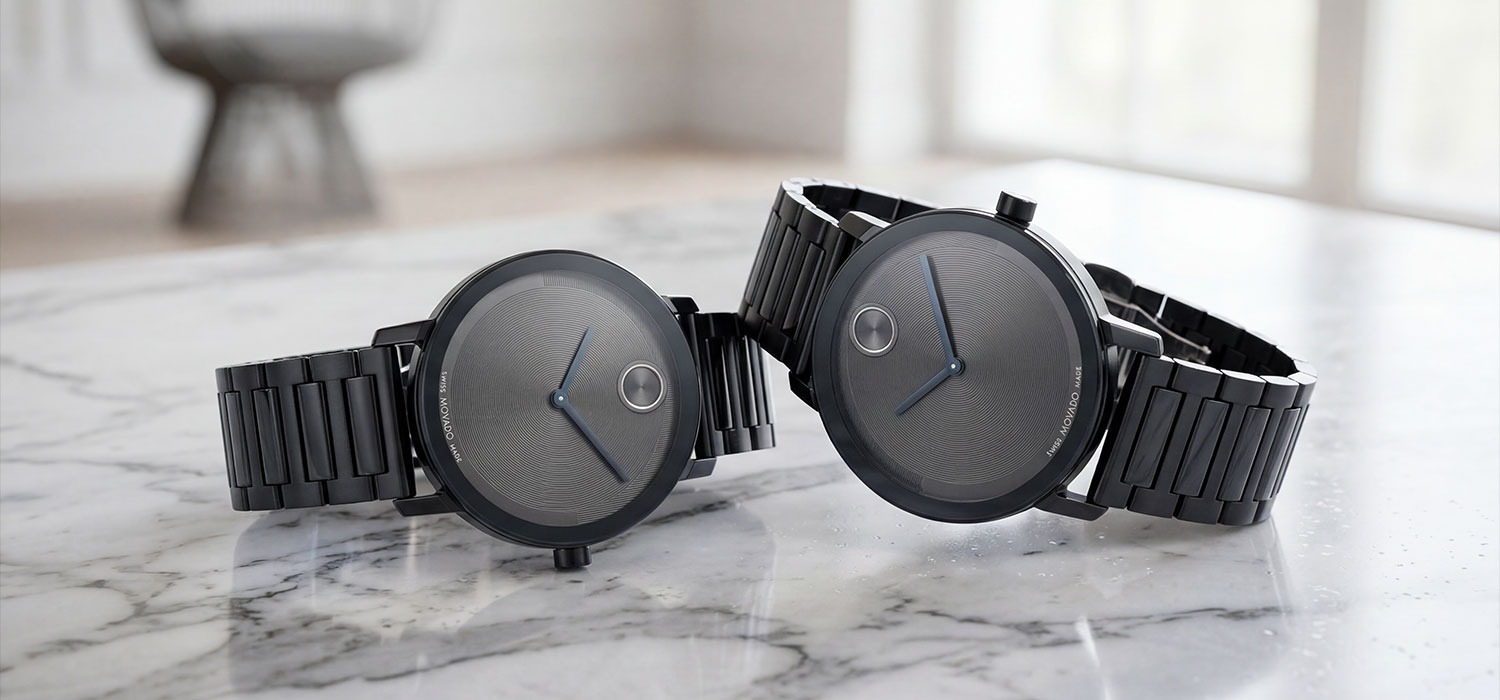
A good watch buying guide should make the decision easier, not more confusing. Whether you plan to buy wrist watches new or pre-owned, keep these questions in mind.
Set Your Budget First
Do not start with brand hype. Start with what you can comfortably spend. This helps you compare realistic options instead of chasing models that do not fit your range.
Decide What Matters Most
Are you focused on condition, value, brand prestige, rarity, or daily wear comfort? The right answer changes the right watch.
Learn the Model Before You Buy
Any solid wrist watch buying guide should include research. Know the reference, expected features, common issues, and market range before making a decision.
Check Condition in Detail
For pre-owned pieces, look closely at polishing, bracelet wear, dial condition, and service notes. For new pieces, confirm full set details and warranty.
Buy from a Trusted Source
This point matters whether you want to buy wrist watches for yourself or as a gift. The seller should be clear, professional, and willing to answer detailed questions.
Think Beyond the Purchase Day
A lower price is nice, but long-term satisfaction matters more. The best buy is the watch you will still feel good about six months or two years from now.
Pre-Owned Watches for Men and Women
Buyer goals can vary by style, size, and use. Many shoppers looking for pre owned mens watches want sport models, daily wear pieces, or watches with a stronger wrist presence. They may care about bracelet durability, case size, and whether the design works in both casual and formal settings.
Buyers browsing pre owned ladies watches often look at a different mix of priorities. Size, comfort, dial detail, bracelet style, and whether the watch feels classic or more jewelry-like can all play a major role. At the same time, the market has changed. Many women now buy sportier or more neutral pieces instead of being limited to traditional smaller-case styles.
That is why searches for pre-owned watches women continue to matter. Buyers want options that reflect actual taste, not old assumptions.
Whether you are shopping for men’s or women’s styles, the same rules still apply. Focus on authenticity, condition, fit, and value. The smartest purchase is not about buying what looks expensive. It is about buying a watch that feels right on your wrist and makes sense for your goals.
Final Verdict- New vs Pre-Owned Watches
So, which is the smarter buy?
For many buyers, pre owned watches offer a stronger overall value. You can often get access to respected luxury watches at a lower price, avoid the heaviest depreciation, and choose from a wider range of current and discontinued models. If you buy carefully, pre-owned can be the more financially sensible route.
At the same time, new watches still make sense for buyers who want factory condition, current warranty, and the full retail experience. There is real comfort in knowing the watch begins with you.
In the end, this decision is not really about right or wrong. It is about priorities. If price, value, and selection matter most, pre-owned often wins. If simplicity and peace of mind matter most, new may be worth the premium.
Ready to Shop Smarter?
If you are comparing options and want a trusted place to start, Inventory Adjusters can help you browse quality timepieces with more confidence. Take a closer look at their selection of pre owned watches for sale and browse through standout styles from leading names such as Omega, Cartier, and Hamilton.
FAQs
1. Are pre owned watches worth buying?
Yes, they can be a smart buy for shoppers who want stronger value. You may get access to premium models at a lower price than retail, especially if you buy from a trusted seller.
2. Is it safer to buy new watches?
In general, yes. New watches usually come with manufacturer warranty, untouched condition, and fewer questions about past ownership. The trade-off is that you will often pay more.
3. What are certified pre-owned watches?
They are pre-owned watches that have been inspected and approved under a seller’s standards. Many include authenticity checks and may also come with a limited warranty.
4. How do I use a watch buying guide when comparing options?
Use it to compare budget, condition, seller trust, model history, and long-term value. A good guide helps you think beyond the sticker price.
5. Should I buy wrist watches for value or for emotion?
Usually both. A smart purchase should make financial sense, but you should also enjoy wearing it. The best watch is one that fits your budget and still feels worth owning.
Newest Guide & Blog Updates

How to Tell If a Watch Has Sapphire Crystal
If you are wondering how to tell if a watch has a sapphire crystal, online advice can be confusing....

Is Sapphire Crystal Worth Paying More For?
You are comparing two similar watches. One uses mineral glass, while the other has sapphire crystal...
Watch Crystal Types Explained: Sapphire, Mineral, and Acrylic
A watch crystal does more than protect the dial. It influences how your watch looks, how easily it...
Why Does an Automatic Watch Stop When You Don't Wear It?
An automatic watch stops when the energy stored inside its mainspring runs out. Unlike a battery-po...
How Long Can an Automatic Watch Run Without Being Worn?
Most automatic watches run for approximately 38–42 hours without being worn, or roughly a day and a...
What Is Power Reserve on a Mechanical Watch?
When shopping for a mechanical watch, you may notice specifications such as "38-hour power reserve"...