
Is Sapphire Crystal Worth Paying More For?
You are comparing two similar watches. One uses mineral glass, while the other has sapphire crystal and costs more. Is the upgrade actually worth paying for?
For many people, the answer depends on how often the watch will be worn and how much visible scratches matter. A sapphire crystal watch offers far greater scratch resistance and can keep its clean appearance for years, but sapphire is not automatically the best choice for every buyer.
The important question is not simply whether sapphire is "better." It is a question of whether its advantages justify the extra cost, given how you plan to wear the watch.
Is Sapphire Crystal Worth It? The Short Answer
So, is sapphire crystal worth it?
For someone who wears a watch most days, plans to keep it for years, and dislikes visible scratches, sapphire is often worth the extra cost. Its greatest advantage is resistance to the small scratches that gradually make other watch crystals look worn.
However, sapphire is not automatically worth the premium for everyone.
You may be better served by mineral or acrylic if you need an inexpensive beater watch, work in conditions where hard impacts are common, prefer a vintage-style crystal, or rarely wear the watch.
Sapphire improves scratch resistance and long-term appearance. It does not automatically give you better accuracy, water resistance, movement quality, or impact protection.
That distinction matters when comparing two watches at different prices.
What Makes Sapphire Crystal Different?
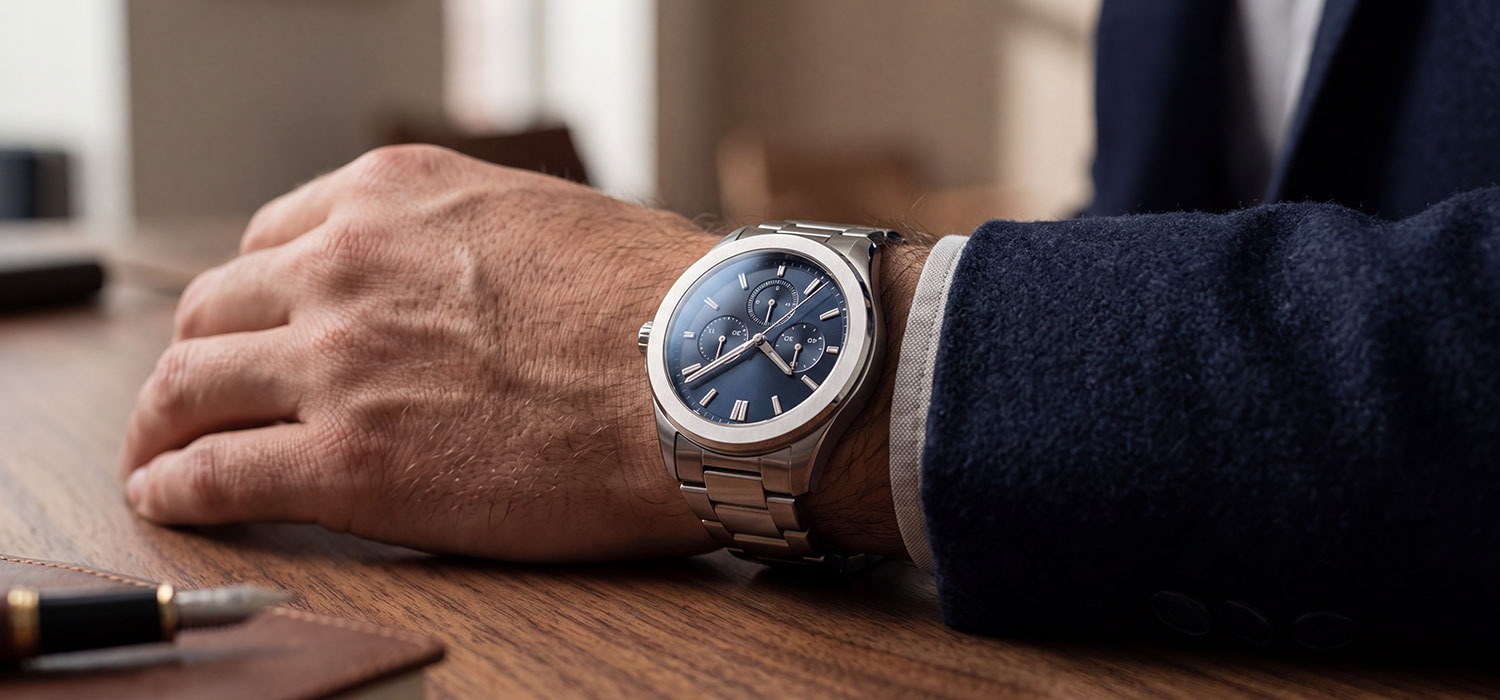
Sapphire watch crystal is made from synthetic corundum, a material rated around 9 on the Mohs hardness scale. That makes it significantly harder than standard mineral glass and acrylic.
In Consumer Reports' testing of smartwatch crystals, sapphire resisted a Mohs-level 9 pick that scratched hardened glass. This illustrates why sapphire performs so well against everyday surface scratches.
That does not mean sapphire is indestructible.
Hardness and toughness are different characteristics. Sapphire is extremely hard and scratch-resistant, but it is also more brittle than mineral or acrylic. A sharp enough impact can crack or shatter it.
Sapphire may also include an anti-reflective coating to improve legibility. Without such a coating, sapphire can reflect more light than some alternative materials.
If sapphire becomes badly damaged, it generally needs replacement rather than polishing.
What Are You Actually Paying More For?

The extra cost of sapphire makes more sense when you consider what the material contributes during years of ownership.
What the Extra Money Buys
The biggest benefit is long-term appearance.
A watch worn frequently encounters desks, door frames, bags, tools, countertops, and countless other surfaces. Mineral crystals may gradually accumulate small scratches from these contacts. Sapphire is much less likely to show the same wear.
That means a sapphire watch can maintain a cleaner-looking dial and crystal for longer.
For someone keeping a watch for many years, this can eliminate the need for a crystal replacement simply because scratches have become distracting.
Sapphire can also help a pre-owned watch present better later on, although crystal condition is only one part of its resale value. Brand, reference, overall condition, service history, paperwork, and demand usually matter much more.
What Sapphire Does Not Buy
Paying for sapphire does not automatically give you:
- A more accurate watch
- A better movement
- Greater water resistance
- A stronger case
- Better shock resistance
- A better bracelet or strap
This is why buyers should compare the entire watch rather than making a decision based on crystal material alone.
A useful guide is Inventory Adjusters' look at the watch features that actually matter.
Why Does Sapphire Cost More?
Synthetic sapphire is harder to manufacture, cut, shape, and polish than standard mineral glass.
It also generally costs more to replace if damaged, and the replacement should be handled by someone familiar with watch cases, gaskets, and water resistance.
You can learn more about replacement and servicing costs when comparing long-term watch ownership.
Watch Out for "Sapphire-Coated"
"Sapphire-coated" is not the same as a solid sapphire crystal.
It usually means mineral glass has been given a thin, harder coating. That may improve scratch resistance, but it does not provide the same characteristics as a solid sapphire crystal.
When comparing listings, read the specification carefully rather than assuming any mention of sapphire means the same material.
Also, remember that a higher-priced sapphire version may include other changes, such as a different movement, bracelet, case finish, or water-resistance rating. The price difference may not be caused by the crystal alone.
Sapphire vs. Mineral vs. Acrylic: Value Comparison
When deciding on the best watch crystal for your needs, it helps to compare ownership rather than hardness alone.
|
Factor |
Sapphire |
Mineral / Hardlex |
Acrylic |
|
Everyday scratch resistance |
Excellent |
Moderate |
Low |
|
Sharp-impact behavior |
More brittle |
Generally more forgiving |
Flexible |
|
Appearance after years of daily wear |
Often remains clearer |
May develop scratches |
Often develops scratches |
|
Scratch repair |
Usually replace |
Usually replace |
Often polishable |
|
Replacement effort |
Higher |
Moderate |
Lower |
|
Relative cost |
Higher |
Mid-range |
Lower |
|
Best suited to |
Daily wear, dress watches, long ownership |
Budget, general use, rougher wear |
Vintage styles, inexpensive watches |
The sapphire vs mineral crystal decision is especially common with watches that offer different specifications across a collection.
Seiko's Hardlex, for example, is a hardened mineral crystal rather than sapphire. When comparing Hardlex vs sapphire, sapphire wins on scratch resistance, but that does not automatically mean the sapphire watch is the better purchase if the price difference is large or if other specifications do not matter to you.
When Sapphire Crystal Is Particularly Worth It
Sapphire makes the strongest case when the watch will be worn regularly for years.
It may be worth paying extra if you are:
A daily wearer: Constant use increases the likelihood of accidental surface contact and scratches.
Buying one main watch: If one watch will handle most of your workdays, weekends, and events, maintaining the crystal's appearance becomes more valuable.
Keeping the watch long-term: Scratch resistance matters more over 10 years than over 10 months.
When buying a polished or dress watch, scratches tend to be more noticeable on watches designed to look clean and refined.
Buying a gift: Sapphire can help a watch retain its presentation after years of regular use.
Someone bothered by scratches: If small marks quickly become distracting, the sapphire premium may save frustration.
Crystal condition can also contribute to overall pre-owned presentation, although it should never be treated as the primary driver of resale value. Inventory Adjusters covers in more detail how condition and brand affect resale.
When You May Not Need Sapphire
Mineral and acrylic crystals still have legitimate uses.
Someone working in construction, mechanical trades, climbing, contact sports, or other environments involving hard impacts may care more about replacement cost and impact behavior than maximum scratch resistance.
Mineral or acrylic can also make sense for:
- Beater watches
- Travel watches
- Children's or first watches
- Watches are worn only occasionally
- Very tight budgets
- Vintage-inspired designs
Acrylic is particularly relevant for vintage watches because its domed appearance can be part of the original design. It can also often be polished when lightly scratched.
A pre-owned watch with mineral glass should not automatically be rejected, either. If the model, movement, condition, and price make sense, the crystal is only one part of the decision.
Inventory Adjusters' selection of pre-owned watches can help illustrate why overall condition and specifications should be considered together.
Other Watch Features to Weigh Before Paying More
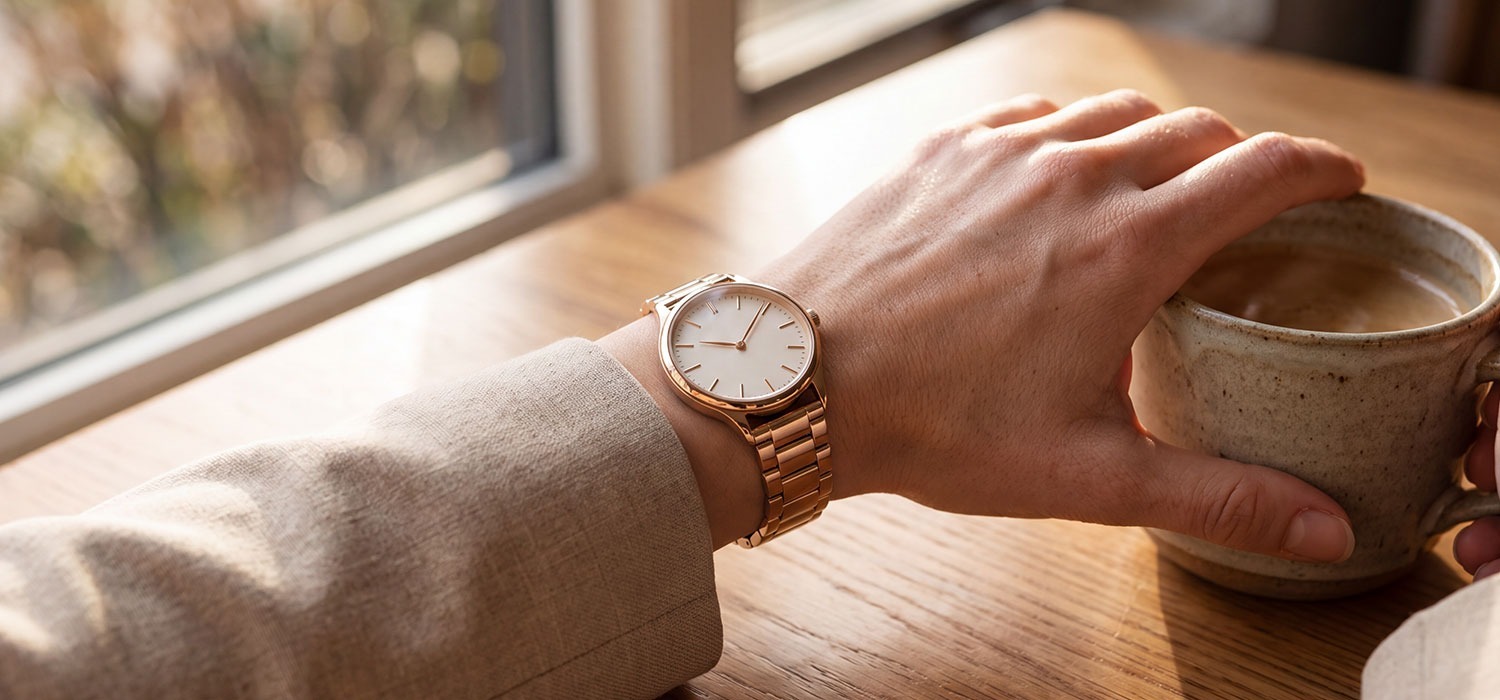
Crystal material should never be evaluated in isolation.
Before paying extra for sapphire, compare:
- Movement type and quality
- Water-resistance rating
- Case construction
- Bracelet or strap quality
- Case material and finish
- Seller reputation
- Warranty coverage
A sapphire crystal cannot compensate for weak specifications elsewhere.
For many buyers, movement type will affect ownership more than crystal material. The guide to quartz, automatic, and mechanical watches can help put that choice into perspective.
You should also know what water resistance ratings mean rather than assuming sapphire improves water protection.
How to Decide Based on Your Wearing Habits
Sapphire is probably worth paying more for if:
- You wear the watch most days
- You intend to keep it for years
- Visible scratches bother you
- You prefer polished or dress-style watches
- You are already shopping in a price range where the premium is reasonable
It may not be necessary if:
- The watch will face frequent impacts
- You want an inexpensive beater
- You prefer vintage acrylic
- You rarely wear the watch
- The sapphire version costs much more because of other bundled features
- The listing actually says "sapphire-coated"
The best decision is to match the crystal to how you actually wear your watch.
FAQs
1. Is the sapphire crystal scratch-proof?
No. Sapphire is highly scratch-resistant, not scratch-proof. Diamond and some very hard materials can scratch it, and external anti-reflective coatings may also show marks.
2. Can a sapphire crystal shatter?
Yes. Sapphire is extremely hard but relatively brittle. A sharp enough impact can crack or shatter the crystal.
3. Is a sapphire-coated crystal as good as sapphire?
No. Sapphire-coated crystal generally uses mineral glass with a thin, harder surface treatment. It does not have the same properties as solid sapphire.
4. Is a sapphire crystal worth it on a cheap watch?
It depends on the price difference and how often you plan to wear the watch. If sapphire raises the price substantially, other features may offer more value.
5. Does a sapphire crystal increase resale value?
Not by itself. A clean sapphire crystal may help overall condition and presentation, but brand, model, demand, service history, and paperwork usually matter more.
So, Should You Pay More for a Sapphire Crystal?
Whether the sapphire crystal is worth it depends on how you wear your watch. Its biggest advantage is excellent scratch resistance and the ability to maintain a clean appearance over years of regular use. The trade-offs are greater brittleness, higher replacement cost, and a purchase premium that may not make sense for every watch.
If you are comparing your next timepiece, browse Inventory Adjusters' men's watches and women's watches to compare crystal types alongside the other specifications that matter to you.
Newest Guide & Blog Updates

How to Tell If a Watch Has Sapphire Crystal
If you are wondering how to tell if a watch has a sapphire crystal, online advice can be confusing....

Is Sapphire Crystal Worth Paying More For?
You are comparing two similar watches. One uses mineral glass, while the other has sapphire crystal...
Watch Crystal Types Explained: Sapphire, Mineral, and Acrylic
A watch crystal does more than protect the dial. It influences how your watch looks, how easily it...

Why Does an Automatic Watch Stop When You Don't Wear It?
An automatic watch stops when the energy stored inside its mainspring runs out. Unlike a battery-po...

How Long Can an Automatic Watch Run Without Being Worn?
Most automatic watches run for approximately 38–42 hours without being worn, or roughly a day and a...
What Is Power Reserve on a Mechanical Watch?
When shopping for a mechanical watch, you may notice specifications such as "38-hour power reserve"...