
Watch Dial Types Explained: What Should You Know Before Buying?
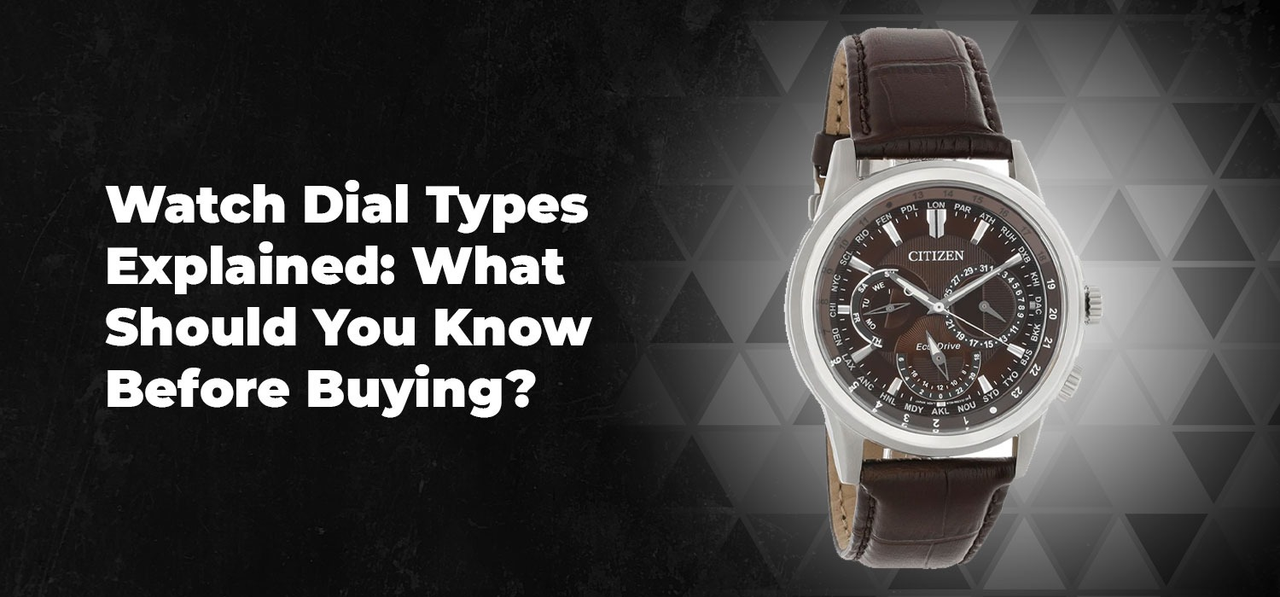
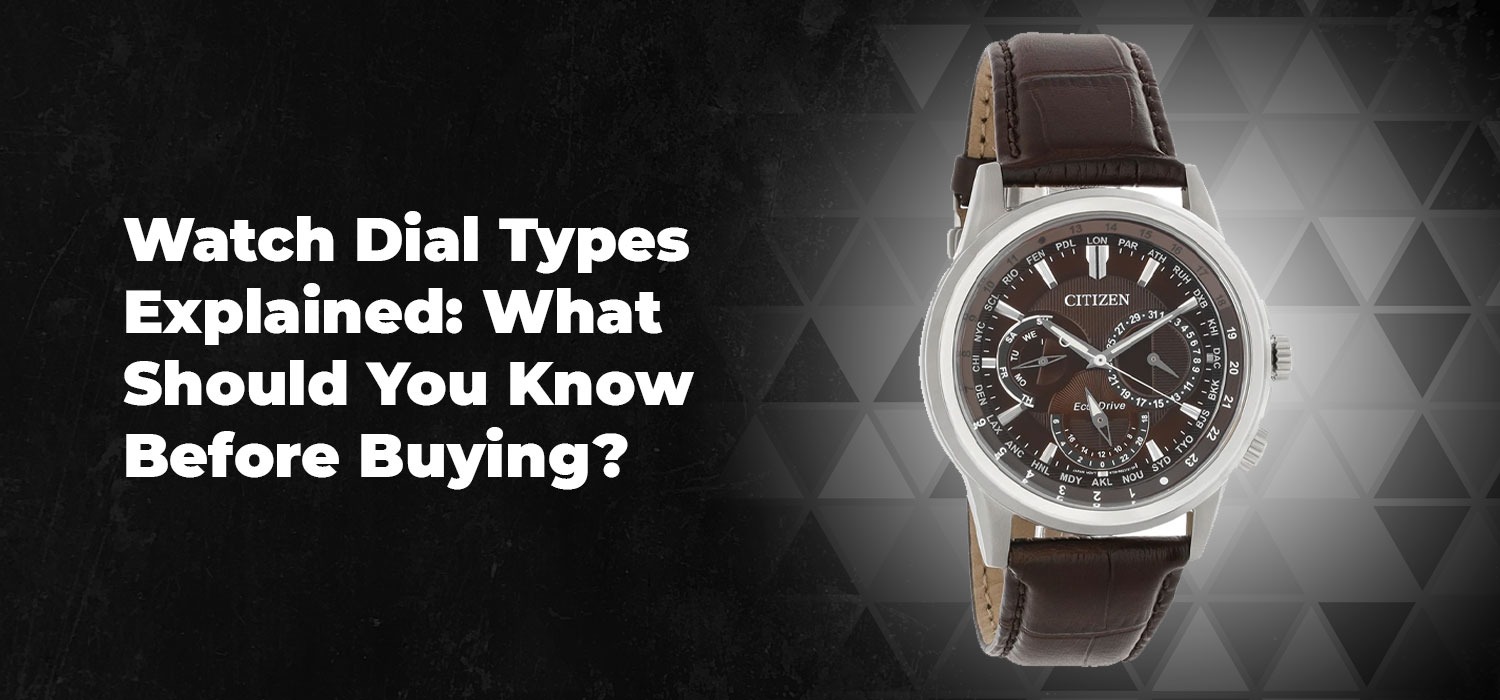
Every time you look at a watch, the dial is the first detail you notice. Often called the watch face in everyday conversation, the dial is where design, function, and craftsmanship come together. Understanding different watch dial types can help you appreciate the details behind a timepiece and make a more informed choice when selecting a watch.
From simple analog layouts to intricate chronograph and skeleton designs, each dial style creates a different experience on the wrist. This guide explains the major types of watch dials, their components, finishes, and what to consider before buying.
What Is a Watch Dial?
A watch dial is the surface beneath the crystal that displays the time and carries important elements such as hour markers, hands, logos, and additional features. While many shoppers use the term watch face, the professional watchmaking term is dial.
The dial serves both a practical and aesthetic purpose. It helps the wearer read the time while greatly enhancing the watch's character. A traditional closed dial hides the movement beneath a finished surface, while an open-worked or skeleton dial reveals parts of the mechanism beneath the surface.
Most watch dials begin as a base material, often metal, which is then finished with colors, textures, markers, and decorative elements. These details influence the watch's appearance, readability, and overall style.
The Major Types of Watch Dials
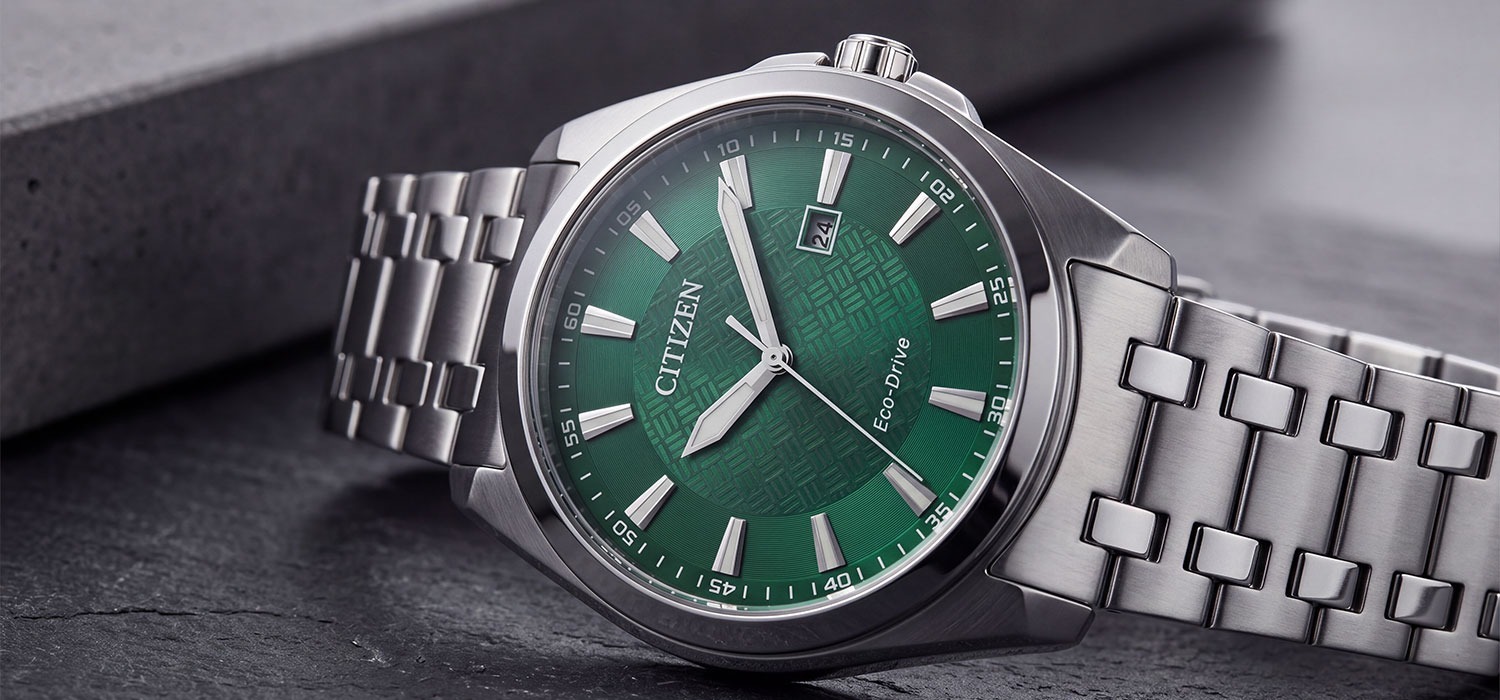
Watch dials can generally be divided into layout types, which describe what information appears on the dial, and construction types, which describe how the dial itself is created.
Analog Dial
An analog dial is the traditional watch layout featuring hour markers and hands that display the time through movement around the dial. The most common version includes three hands for hours, minutes, and seconds.
Analog dials are widely used for their balance of simplicity and readability. They appear across dress watches, everyday watches, and sports watches, with variations in markers, hand styles, and decorative details.
Digital Dial
A digital dial displays time through numerical digits rather than traditional hands. These watches commonly use LCD or LED displays and are often associated with sporty or casual designs.
Digital layouts provide quick, at-a-glance reading and may include additional functions such as alarms, timers, calendars, and other electronic features.
Chronograph Dial
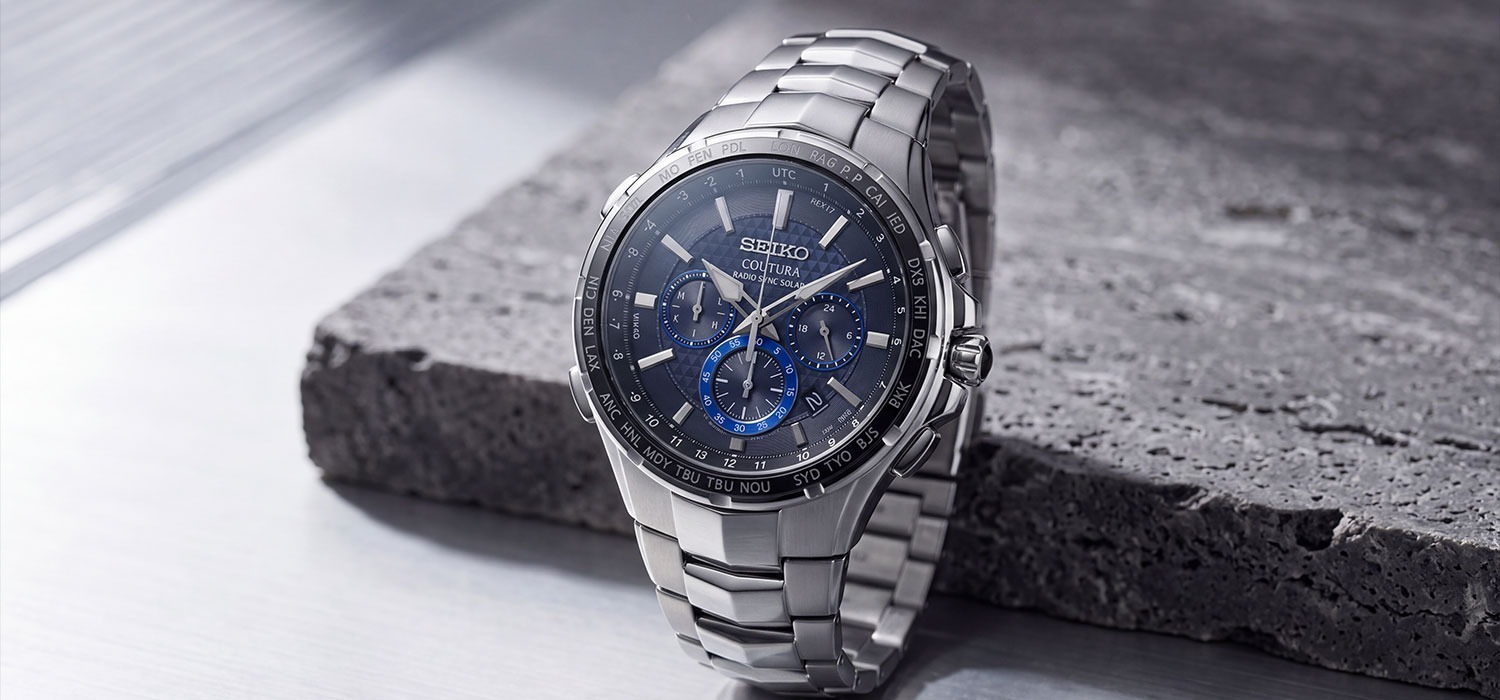
A chronograph dial includes additional sub-dials that measure elapsed time. Instead of displaying only the current time, a chronograph watch can also function as a stopwatch using dedicated counters.
Sub-dials commonly display running seconds, elapsed minutes, or elapsed hours. Models from brands such as Movado, Bulova, and TAG Heuer feature chronograph layouts that combine technical functions with distinctive dial designs.
Diver Dial
A diver dial is designed around clear visibility and practical reading. These dials typically feature bold markers, strong contrast, and luminous elements that make time easier to read in different lighting conditions.
Large indices and visible hands help create a functional appearance commonly associated with sports watches and diving-inspired designs.
Skeleton or Open-Worked Dial
A skeleton dial removes portions of the traditional dial surface to reveal parts of the movement underneath. This creates a view into the mechanical craftsmanship of the watch.
Skeleton designs highlight gears, bridges, and mechanical components, making them popular among collectors who appreciate visible watchmaking. The open design can sometimes reduce immediate readability due to additional visual details.
Sandwich Dial
A sandwich dial is constructed using multiple layers, usually with a top layer containing cut-out indices placed over a contrasting lower layer. This creates depth and allows luminous material beneath the openings to appear through the dial.
Sandwich dials are appreciated for their dimensional appearance and improved marker visibility.
Enamel and Mother-of-Pearl Dials
Enamel and mother-of-pearl dials use distinctive materials to create unique visual effects. Enamel dials feature a smooth, polished appearance, while mother-of-pearl dials display natural patterns and color variations.
Mother-of-pearl dials are especially common in elegant women's watches, including collections from brands such as Michele and Citizen. These dials create a refined appearance where every surface has its own character.
California and Sector Dials
California dials combine Roman numerals on the upper portion with Arabic numerals on the lower portion. This unusual arrangement creates a recognizable vintage-inspired appearance.
Sector dials use divided sections or concentric zones to organize the display. Their structured appearance gives the dial a distinctive character while maintaining readability.
Other decorative dial styles include guilloche, tapisserie, meteorite, and marquetry designs. These specialized finishes focus on surface artistry and are often discussed separately when exploring watch dial finishes.
Dial Components: Indices, Hands, Sub-Dials, and Windows
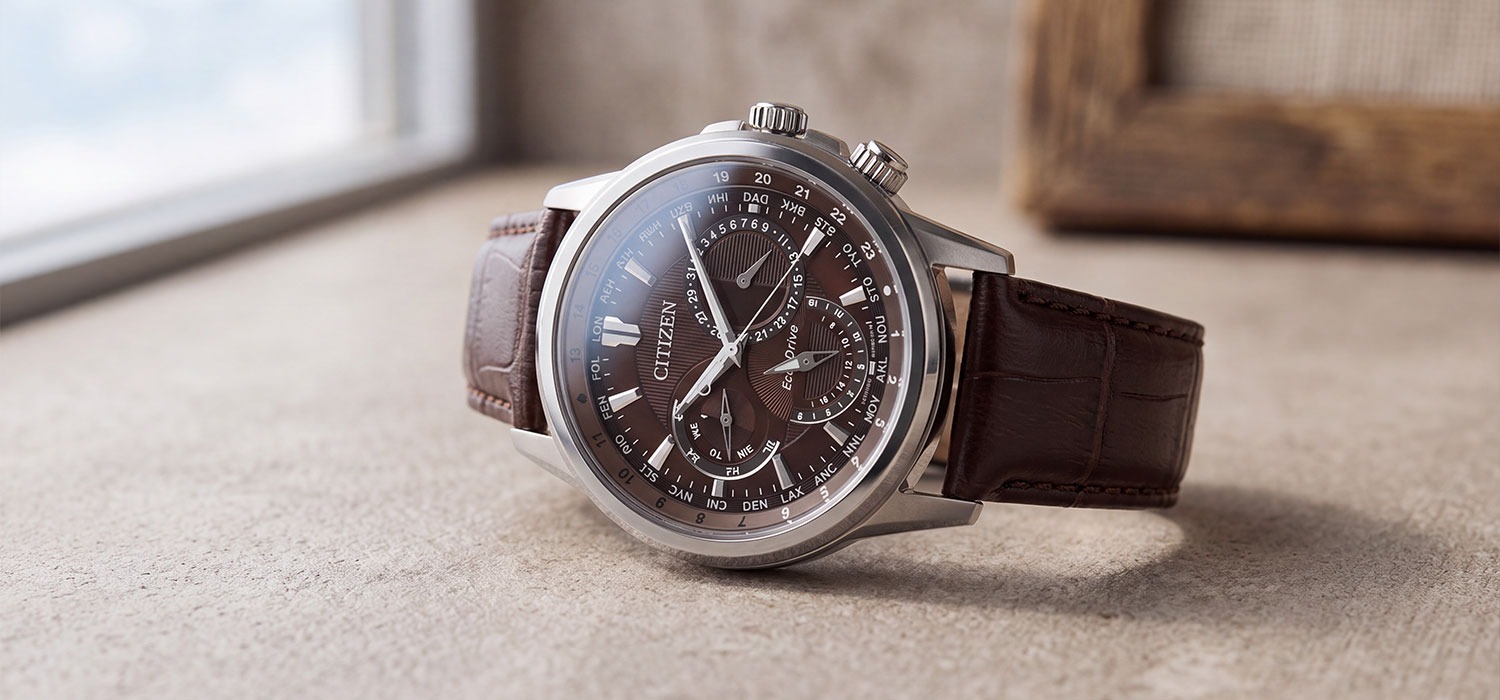
A watch dial is made up of several carefully designed elements. Each component contributes to both appearance and functionality.
Indices and Markers
Watch indices are the markers used to indicate hours on the dial. They may appear as batons, dots, Arabic numerals, or Roman numerals.
Indices can be printed directly onto the dial or applied as raised elements. Some include luminous material, allowing easier reading in low-light conditions. The style, size, and contrast of indices have a major impact on legibility.
Watch Hands
Watch hands indicate the hours, minutes, and seconds. Common hand styles include baton, dauphine, sword, leaf, cathedral, and syringe designs.
The length, shape, and visibility of hands affect how easily the time can be read. Well-designed hands typically provide clear contrast against the dial and reach the appropriate markers.
Sub-Dials and Windows
A sub-dial is a smaller dial placed within the main dial to display additional information. On chronograph watches, sub-dials often show elapsed minutes, hours, or running seconds.
Other sub-dials may display features such as power reserve, moon phases, or 24-hour indicators. A date window is another common feature, displaying the current date through an opening in the dial.
Small details such as logos, printed text, and finishing quality can also provide insight into the attention given to a watch. For pre-owned watches, dial condition can be an important part of evaluating authenticity and overall condition.
How Dial Finish Affects Appearance and Legibility
The finish applied to a dial changes how light interacts with its surface. Common finishes include sunburst, matte, lacquered, and textured designs.
A sunburst dial creates a reflective effect that changes as light moves across the surface. Matte finishes provide a softer appearance and can reduce reflections. Textured finishes add depth and visual interest.
The right finish depends on personal preference and how the watch will be used. For more details about dial finishes, browse our resources on sunburst, matte, and textured watch dials.
How to Choose a Watch Dial for Your Needs
Choosing a watch dial begins with understanding how you plan to wear the watch. For everyday use, readability is often an important consideration. A clear contrast between the dial, markers, and hands can make time easier to read.
Dress watches often feature clean analog layouts, slim hands, and minimal markers for a refined appearance. Sport watches frequently use chronograph or diver-inspired dials with stronger contrast and additional functions.
Casual watches offer more flexibility, combining practical features with a range of colors, textures, and layouts. A dial should also complement the case design, bracelet, or strap material.
When viewing watches online, consider the dial size, the amount of information displayed, the marker style, and the finish. A balanced dial design creates harmony between appearance and function.
What to Check on the Dial Before Buying
Before purchasing a watch, review the dial details carefully.
- Confirm the listed dial color and finish.
- Check the style of markers and hands.
- Know what each sub-dial displays.
- Look for information about luminous features.
- Review photographs under different lighting conditions.
- For pre-owned watches, inspect the dial for consistent printing, correct logos, and signs of moisture damage.
A detailed dial description can help you better learn about the watch before adding it to your collection.
Watch Dial FAQs
1. Is the watch face the same as the dial?
Yes. Watch face is a common everyday term, while dial is the professional term used by watchmakers and collectors.
2. Are skeleton dials difficult to read?
Skeleton dials can be more visually complex because the movement is visible beneath the dial. Many collectors choose them for their craftsmanship and mechanical display rather than maximum simplicity.
3. What do the small dials on a chronograph watch do?
The small dials, called sub-dials, typically display information such as running seconds, elapsed minutes, or elapsed hours when the chronograph function is used.
Final Thoughts
Watch dial types reveal the balance between engineering, artistry, and personal style. From traditional analog designs to detailed skeleton movements and elegant mother-of-pearl surfaces, each dial expresses a distinct facet of craftsmanship.
Understanding dial layouts, components, and finishes helps you choose a watch that suits both your preferences and lifestyle. Once you know what details matter most, you can browse through watches by style, brand, and collection with greater confidence.
Newest Guide & Blog Updates

Sunburst, Matte, and Textured Watch Dials Explained
A watch dial is one of the first details that captures attention. Beyond displaying the time, the d...
How Dial Color and Design Affect a Watch's Style
A watch dial is one of the first things you notice, and its color can change how the entire watch l...
Watch Dial Types Explained: What Should You Know Before Buying?
Every time you look at a watch, the dial is the first detail you notice. Often called the watch fac...

Is Rado a Good Watch Brand? What Sets It Apart From Other Swiss Names
When people begin searching for a Swiss watch, they often compare brands based on heritage, craftsm...

How to Buy Watches Wholesale: A Step-by-Step Guide for Resellers and Retailers
Buying watches wholesale may appear straightforward. Find a supplier, purchase inventory at a lower...

Movado Bold vs. Museum Classic vs. Series 800: Which Collection Actually Fits You?
Choosing a Movado watch can become surprisingly complicated once you compare collections side by si...