
Watch Crystal Types Explained: Sapphire, Mineral, and Acrylic
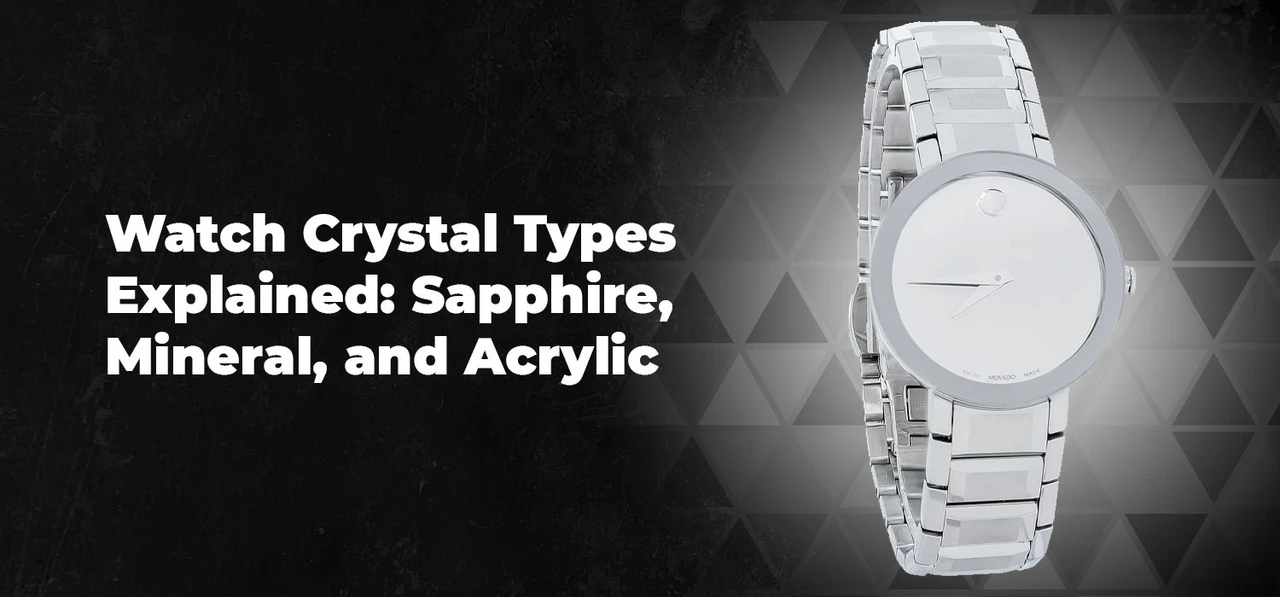
A watch crystal does more than protect the dial. It influences how your watch looks, how easily it scratches, and how well it handles everyday wear. When comparing watches, you will often encounter three main watch crystal types: sapphire, mineral, and acrylic.
Each material offers different benefits. Sapphire resists scratches exceptionally well, mineral glass balances durability and affordability, and acrylic handles impacts while remaining easy to polish.
Understanding the differences between sapphire, mineral crystal, and acrylic helps you choose a watch that suits your lifestyle. Just like the materials used in watch cases and bracelets, the crystal affects long-term appearance and maintenance.
What Is a Watch Crystal?
A watch crystal is the transparent protective cover positioned above the dial and hands. It prevents dust, moisture, dirt, and everyday contact from reaching the internal components.
Although commonly called a watch glass, not every crystal is made from glass.
The three primary types of watch crystal are:
- Sapphire crystal: Manufactured from synthetic sapphire and known for exceptional scratch resistance.
- Mineral crystal: Made from hardened glass, offering a practical balance between cost and resistance to damage.
- Acrylic crystal: Made from transparent plastic, providing flexibility, impact resistance, and easy scratch removal.
You may also encounter names such as Hardlex, Hesalite, and sapphire-coated mineral. These describe particular materials or treatments rather than entirely separate crystal categories.
The right choice depends on whether you prioritize scratch resistance, impact protection, appearance, or maintenance costs.
Sapphire Crystal Explained
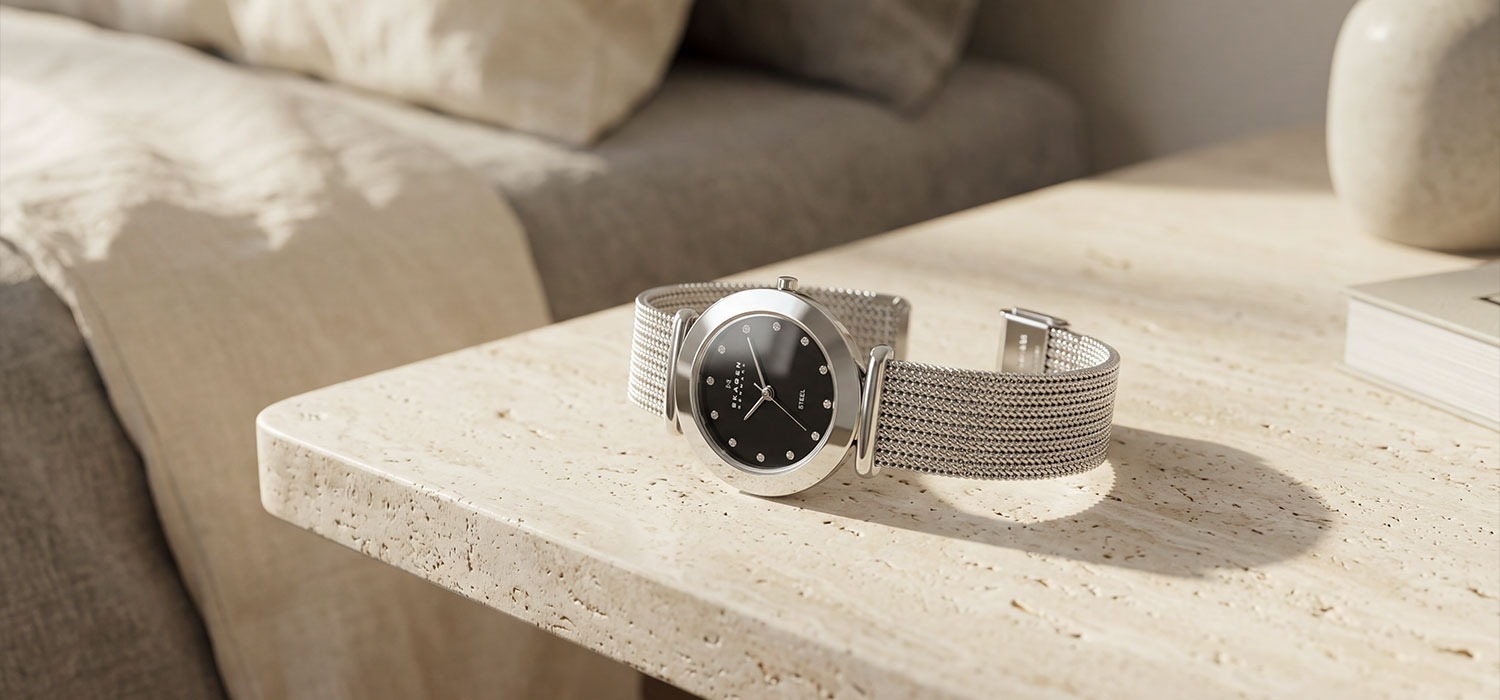
Sapphire crystal is a transparent, laboratory-produced material used in many modern watches. Its exceptional surface hardness makes it particularly suitable for watches exposed to everyday friction.
What Is Sapphire Crystal Made Of?
A sapphire watch crystal is made from synthetic corundum, which is a crystalline form of aluminum oxide (Al₂O₃).
Manufacturers grow synthetic sapphire under controlled conditions, producing a solid crystal structure. The material is subsequently sliced, shaped, ground, and polished into watch crystals.
Despite its name, sapphire watch glass is not ordinary glass. Its composition gives it much greater resistance to surface scratches.
Strengths of Sapphire Crystal
Sapphire measures approximately 9 on the Mohs hardness scale, which ranks materials according to their resistance to scratching.
Its main advantages include:
- Excellent scratch resistance: Resists contact with many materials encountered during normal wear.
- Long-lasting appearance: The surface can remain clear and free from visible scratches for years.
- Clear dial visibility: Provides good optical clarity, especially when paired with an anti-reflective coating.
- Premium construction: Commonly associated with higher-priced watches.
For a watch worn daily at work or during routine activities, sapphire is often an appealing choice.
Weaknesses of Sapphire Crystal
High hardness does not mean a material cannot break.
Sapphire is relatively brittle and may crack or shatter when struck at a vulnerable point, particularly near its edges.
It can also produce noticeable reflections without an anti-reflective coating. Coatings applied to the outside surface may themselves develop scratches.
Sapphire crystals generally cannot be polished using ordinary watch-care methods. Significant damage typically requires replacement.
Where Is Sapphire Crystal Used?
Sapphire appears in many modern Swiss watches, luxury collections, and selected mid-range Japanese watches.
Some manufacturers use curved or box-shaped sapphire crystals to create a vintage appearance without switching to acrylic.
Importantly, a watch advertised as having sapphire-coated mineral glass does not contain a solid sapphire crystal.
Mineral Crystal Explained
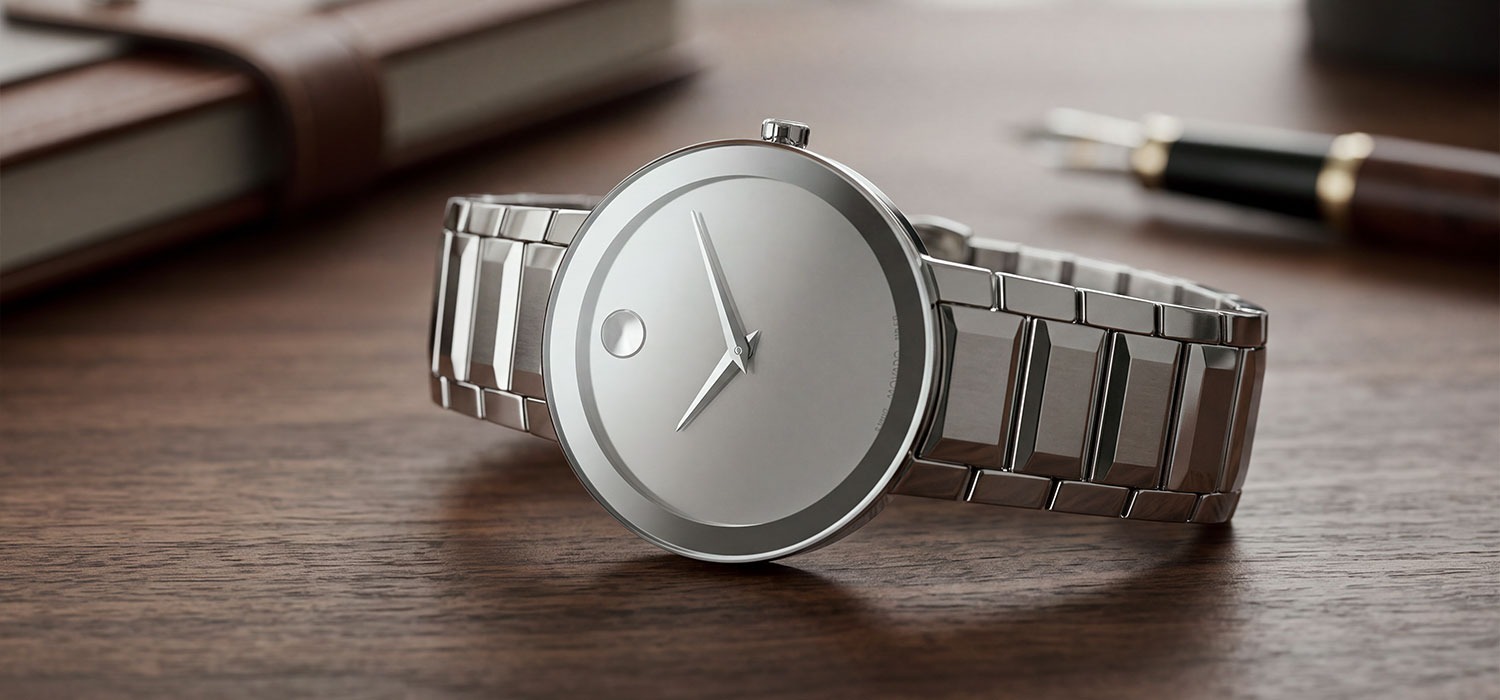
Mineral crystal is a hardened, silica-based glass commonly used in affordable and mid-range watches. It offers a balance of scratch resistance, impact tolerance, and manufacturing cost.
What is a Mineral Crystal?
Mineral watch crystals are produced from glass that undergoes heat treatment or chemical strengthening.
Their hardness is generally around 5–6 on the Mohs scale, although certain hardened versions may approach 7.
This makes mineral glass harder than acrylic but considerably softer than sapphire.
Strengths of Mineral Crystal
Mineral crystal offers several practical benefits:
- Lower manufacturing and replacement costs than sapphire.
- Better resistance to everyday scratches than acrylic.
- Good clarity for reading the watch dial.
- Generally, better tolerance of certain impacts than sapphire.
Its balance of properties makes it common in watches intended for regular use.
Weaknesses of Mineral Crystal
Mineral glass can develop visible scratches when in contact with sufficiently hard surfaces or abrasive particles.
Unlike scratches in acrylic, scratches in mineral crystals are generally difficult to remove by polishing.
Once damage becomes significant, replacing the crystal is often the most practical solution.
Hardlex and Sapphire-Coated Mineral
Hardlex is Seiko's proprietary hardened mineral crystal, used on various watches within its collections.
When comparing Hardlex vs sapphire, Hardlex offers practical impact tolerance, while sapphire provides substantially greater scratch resistance.
Sapphire-coated mineral uses a hard surface coating over a mineral-glass base. Although the coating can improve scratch resistance, it may wear or become damaged over time.
Neither Hardlex nor sapphire-coated mineral should be confused with solid sapphire.
Acrylic Crystal Explained
An acrylic crystal is a transparent plastic watch cover made from polymethyl methacrylate (PMMA). It is lightweight, flexible, and particularly resistant to shattering under impact.
What Is Acrylic Crystal?
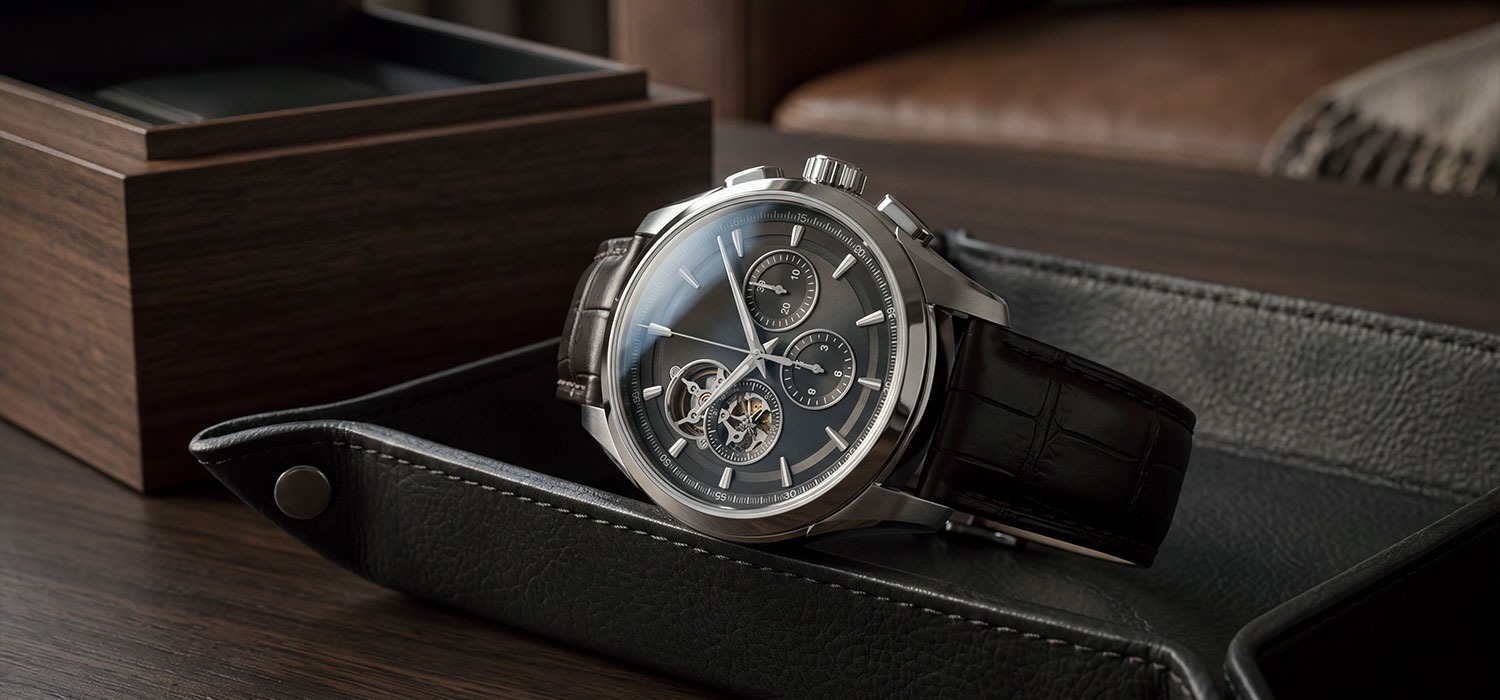
Acrylic appears under names including plexiglass and Hesalite.
With an approximate Mohs hardness of 3, acrylic scratches more easily than mineral or sapphire.
Its flexibility, however, allows it to absorb certain impacts without fracturing into sharp fragments.
Strengths of Acrylic Crystal
An acrylic crystal watch offers several advantages:
- Impact resistance: Acrylic can flex under pressure rather than crack immediately.
- Easy polishing: Many light surface scratches can be removed using a suitable plastic polish.
- Low weight: Acrylic is lighter than glass alternatives.
- Affordable replacement: Generally less expensive than sapphire.
- Vintage appearance: Rounded edges and domed profiles complement traditional watch designs.
These qualities make acrylic practical for certain vintage and heritage-inspired watches.
Weaknesses of Acrylic Crystal
Acrylic scratches easily, particularly from abrasive dust and repeated surface contact.
Over time, some crystals may develop haze, discoloration, or deeper marks that polishing cannot fully correct.
Why Is Acrylic Still Used?
Acrylic remains relevant because impact behavior matters in certain environments.
The Omega Speedmaster's Hesalite crystal is a well-known example. Hesalite was used on NASA-qualified Speedmaster models partly because it does not produce the same sharp fragments as shattered glass.
Collectors also appreciate acrylic for its warm appearance and traditional domed shape.
Sapphire vs Mineral vs Acrylic: Side-by-Side Comparison
The main difference among sapphire, mineral crystal, and acrylic lies in how each material handles scratches and impacts.
|
Feature |
Sapphire |
Mineral |
Acrylic |
|---|---|---|---|
|
Material |
Synthetic corundum |
Hardened glass |
PMMA plastic |
|
Mohs hardness |
Approximately 9 |
Roughly 5–6; some hardened types up to 7 |
Approximately 3 |
|
Scratch resistance |
Excellent |
Moderate |
Low |
|
Impact behavior |
Can crack under sharp impact |
Generally good impact tolerance |
Flexible; highly impact-resistant |
|
Clarity |
Excellent; reflections without coating |
Good |
Good; may haze |
|
Can scratches be polished? |
Generally no |
Generally no |
Yes, light scratches |
|
Typical cost |
Higher |
Moderate |
Lower |
|
Common applications |
Luxury and many modern watches |
Entry-level and mid-range watches |
Vintage and heritage watches |
Note: Hardlex is hardened mineral glass. Sapphire-coated mineral contains a surface treatment and should not be considered equivalent to solid sapphire.
Does Sapphire Crystal Cost More?
Sapphire generally costs more to manufacture, shape, and replace than mineral or acrylic.
Its higher price reflects processing requirements and scratch resistance rather than guaranteed protection against every kind of damage.
Whether sapphire is worth paying more for depends on your daily activities, budget, and expectations for long-term appearance.
Scratch Resistance vs Impact Resistance: Hardness Isn't Toughness
One common misunderstanding is that the hardest watch crystal must also be the strongest.
Hardness resists scratches; toughness resists cracking. Sapphire is the hardest, acrylic is generally the most impact-tolerant, and mineral sits between them.
The Mohs scale measures the ability of one material to scratch another. It does not directly measure resistance to breaking.
What can a scratch Sapphire Crystal?
Sapphire resists most ordinary contact with keys, coins, and many metal surfaces.
Diamond, certain extremely hard ceramics, and some abrasive materials can still damage sapphire or its surface coating.
Mineral glass is more vulnerable to hard grit and abrasive contact, while acrylic can scratch during relatively ordinary handling.
Can Sapphire Crystal Shatter?
Yes. A sharp impact, particularly around the edge, can fracture sapphire despite its hardness.
Acrylic behaves differently. Its softer structure can deform under impact rather than breaking into sharp pieces.
Mineral glass occupies a middle position, although exact performance depends on thickness, shape, construction, and impact conditions.
No watch crystal is completely scratch-proof or unbreakable.
Which Crystal Is Best for Different Types of Wear?
The best watch crystal depends on how and where you wear your watch.
|
Wearing situation |
Recommended crystal |
Reason |
|---|---|---|
|
Daily office wear |
Sapphire |
Resists routine scratches |
|
Budget everyday watch |
Hardened mineral |
Balances cost and durability |
|
Sports and outdoor activities |
Hardened mineral or acrylic |
Useful where impacts are a concern |
|
Dress watches |
Sapphire or mineral |
Good clarity and appearance |
|
Vintage and heritage watches |
Acrylic or box sapphire |
Preserves traditional styling |
Everyday Wear
Sapphire is usually a good choice when avoiding visible scratches matters most.
A hard mineral crystal can also be a good choice for buyers who prioritize affordability.
Sports and Outdoor Activities
Hardened mineral or acrylic may be preferable in situations involving repeated knocks.
Sapphire remains useful when exposure to abrasive surfaces is the larger concern. If you are shopping for sport watches, check each listing for the crystal type before you decide.
Dress and Vintage Watches
Sapphire works well for dress watches where maintaining a clear surface matters.
Acrylic offers a traditional appearance favored by some vintage collectors.
For more guidance, compare dress, sport, and casual watches.
Remember that crystal material is only one consideration. Case construction, movement, and water resistance also matter when assessing which watch features actually matter.
For pre-owned watches, examine the crystal condition alongside the case, bracelet, and movement.
How to Choose and Read Crystal Specifications
Watch listings use different terms to describe crystal materials.
Here is what common descriptions mean:
|
Listing description |
Meaning |
|---|---|
|
Sapphire crystal or sapphire glass |
Solid synthetic sapphire |
|
Sapphire-coated mineral |
Mineral glass with a hard coating |
|
Mineral crystal or mineral glass |
Hardened glass |
|
Hardlex |
Seiko's hardened mineral glass |
|
Acrylic or plexiglass |
Transparent plastic |
|
Hesalite |
Acrylic material |
|
Resin glass |
Typically, a plastic-based crystal |
A domed or box-shaped crystal describes its shape, not necessarily its material. Curved crystals may produce visual distortion near the dial's edges. Similarly, a Cyclops magnifier describes a magnifying feature rather than the underlying crystal material.
To identify a crystal accurately, consult the manufacturer's specifications using the exact model reference.
At-home methods involving tapping, water droplets, or temperature can provide clues, but they are not reliable proof of material composition.
How to Care for and Replace Each Crystal Type
Proper crystal care helps preserve clarity and reduces unnecessary repair expenses.
Sapphire Crystal Care
Clean sapphire using a soft microfiber cloth and, when appropriate, mild soapy water.
Avoid aggressive rubbing, particularly when the crystal has an external anti-reflective coating.
A visibly cracked or damaged sapphire crystal should be assessed for replacement.
Mineral Crystal Care
Gently wipe mineral glass to remove dirt and abrasive particles.
Avoid attempting to polish deeper scratches with household abrasives. Professional replacement is generally preferable when scratches interfere with visibility.
Acrylic Crystal Care
Use a suitable plastic polish to reduce light surface scratches.
Avoid harsh solvents and abrasive cleaning products that may damage the material.
Deep gouges or severe discoloration may require replacement.
When Should You Replace a Watch Crystal?
Replacement is appropriate when cracks threaten moisture protection or scratches seriously affect visibility.
Crystals secured using gaskets or pressure-fit construction should generally be replaced by a qualified watchmaker.
Because replacement can disturb seals, the watch should undergo appropriate water-resistance testing afterward. Learn more about what water resistance ratings mean.
Replacement costs depend on material, shape, and construction. Review the real costs of owning a watch or visit the Inventory Adjusters' watch repair page for service information.
Frequently Asked Questions
1. Is Sapphire Better Than Mineral Crystal?
Sapphire is better at resisting scratches and maintaining its appearance during regular wear. Mineral crystals are generally more affordable and can tolerate certain impacts better. The right option depends on your budget and activities.
2. Are Acrylic Watch Crystals Still Used?
Yes. Acrylic remains common in vintage watches and selected heritage-inspired designs. Its flexibility, impact resistance, and polishability make it useful despite its lower scratch resistance.
3. Which Watch Crystal Is Most Scratch-Resistant?
Sapphire is the most scratch-resistant of the three common watch crystal materials, with a Mohs hardness of approximately 9.
4. Does Sapphire Crystal Shatter?
Yes. Sapphire can crack or shatter when subjected to concentrated impacts. Its excellent scratch resistance does not make it immune to breakage.
5. Can You Replace a Watch Crystal Yourself?
Some simple replacements are possible, but gasketed and pressure-fit crystals generally require watchmaking tools. Professional replacement and subsequent water-resistance testing are recommended.
6. What Is Hardlex Crystal?
Hardlex is Seiko's proprietary hardened mineral glass. It offers practical durability and impact tolerance but is generally less scratch-resistant than sapphire.
Wrapping Up
Understanding the differences among sapphire, mineral, and acrylic crystal options makes choosing a watch easier. Sapphire provides excellent scratch resistance, mineral balance, and cost, while acrylic offers impact tolerance and easy polishing.
Choose the material that suits your daily activities and maintenance preferences.
Browse Inventory Adjusters' collections of men's watches and women's watches to compare styles, features, and crystal specifications before making your purchase.
Newest Guide & Blog Updates

How to Tell If a Watch Has Sapphire Crystal
If you are wondering how to tell if a watch has a sapphire crystal, online advice can be confusing....

Is Sapphire Crystal Worth Paying More For?
You are comparing two similar watches. One uses mineral glass, while the other has sapphire crystal...
Watch Crystal Types Explained: Sapphire, Mineral, and Acrylic
A watch crystal does more than protect the dial. It influences how your watch looks, how easily it...

Why Does an Automatic Watch Stop When You Don't Wear It?
An automatic watch stops when the energy stored inside its mainspring runs out. Unlike a battery-po...

How Long Can an Automatic Watch Run Without Being Worn?
Most automatic watches run for approximately 38–42 hours without being worn, or roughly a day and a...
What Is Power Reserve on a Mechanical Watch?
When shopping for a mechanical watch, you may notice specifications such as "38-hour power reserve"...