
Is Longines a Luxury Brand?
Is Longines a luxury brand? Yes. Longines is a Swiss luxury watchmaker with nearly 200 years of history, respected craftsmanship, and elegant designs. However, it occupies the more accessible end of the luxury watch market, generally positioned above Tissot and Hamilton but below Omega and Rolex.
For buyers wondering whether Longines is a good watch brand, its appeal comes from traditional Swiss watchmaking, reliable mechanical movements, and timeless styling, all at prices that are lower than those of prestigious luxury manufacturers.
Whether you're purchasing your first Swiss watch or adding another timepiece to your collection, Longines offers an appealing balance of heritage, quality, and value.
Longines' Heritage: Saint-Imier, 1832 and the Winged Hourglass
Longines has one of the longest histories in Swiss watchmaking, dating back to 1832, when Auguste Agassiz established the business in Saint-Imier, Switzerland.
The company began with producing pocket watches before expanding into wristwatches and precision timekeeping instruments.
Ernest Francillon, Agassiz's nephew, played an important role in developing the company's manufacturing operations and establishing its recognizable identity.
In 1889, Longines registered its famous winged hourglass trademark. It is widely recognized as the oldest unchanged active trademark which is registered with the World Intellectual Property Organization.
The symbol remains an important part of the brand's identity today.
Since 1983, Longines has been part of the Swatch Group, which also owns Omega, Tissot, Rado, Blancpain, and Breguet.
Where are Longines watches made? Longines remains based in Saint-Imier, Switzerland, and its watches are Swiss-made.
This combination of historical continuity, Swiss manufacturing, and recognizable design helps distinguish Longines from newer watch brands that primarily compete on appearance or affordability.
Where Longines Sits in the Swiss Watch Hierarchy
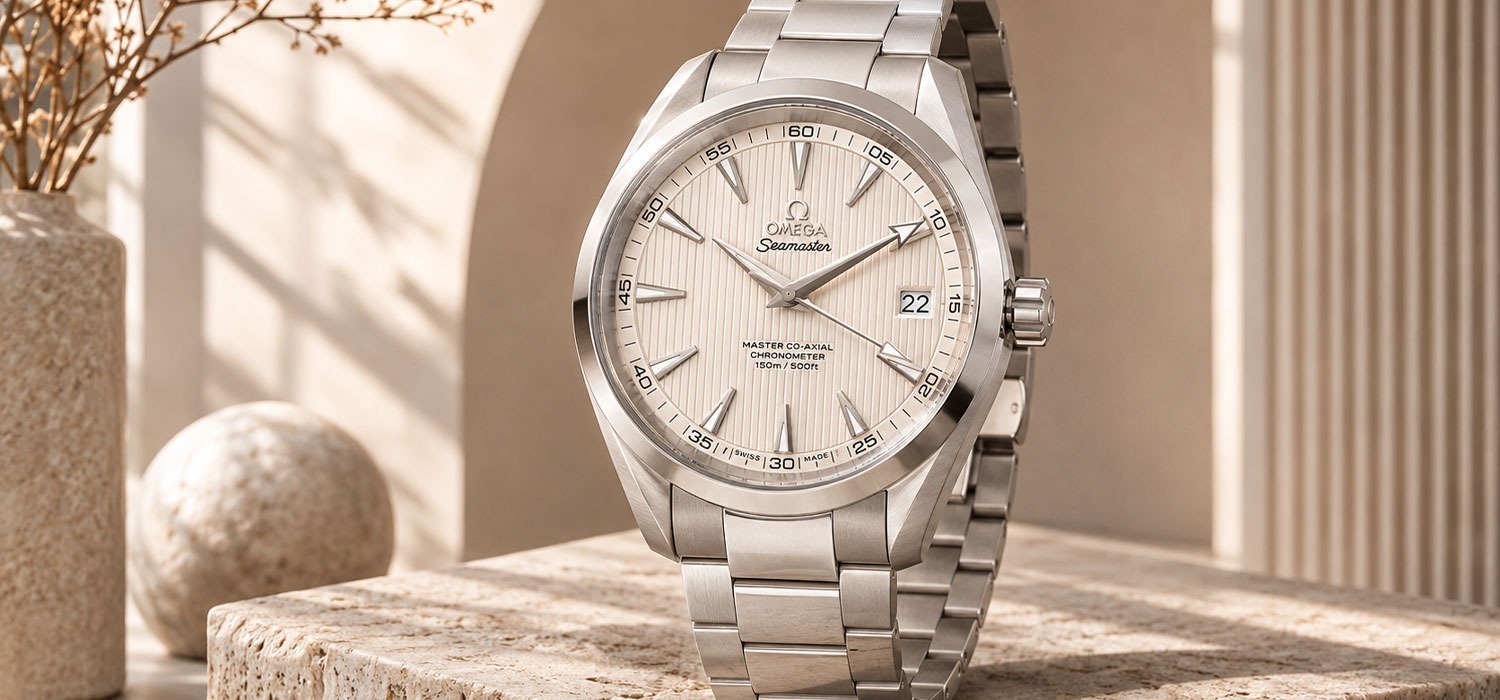
Longines is generally classified as an accessible luxury or upper-mid-tier Swiss watch brand. It offers more prestige and refined finishing than many entry-level Swiss manufacturers without reaching the pricing levels associated with higher luxury categories.
Within the Swatch Group, the approximate brand hierarchy looks like this:
|
Watch Brand |
General Market Position |
|
Tissot and Hamilton |
Entry-level Swiss watches |
|
Longines and Rado |
Accessible luxury |
|
Omega |
Higher-tier luxury |
|
Blancpain and Breguet |
Prestige and high-end watchmaking |
These categories are broad comparisons rather than official rankings.
Outside the Swatch Group, Longines is frequently considered alongside brands such as Oris and TAG Heuer, although their product ranges and market positions differ.
Buyers comparing Longines with Rado can also read about how Rado compares.
Longines is particularly attractive to shoppers who want an established Swiss luxury name without paying primarily for brand exclusivity.
What Makes Longines Luxury, and What Doesn't?
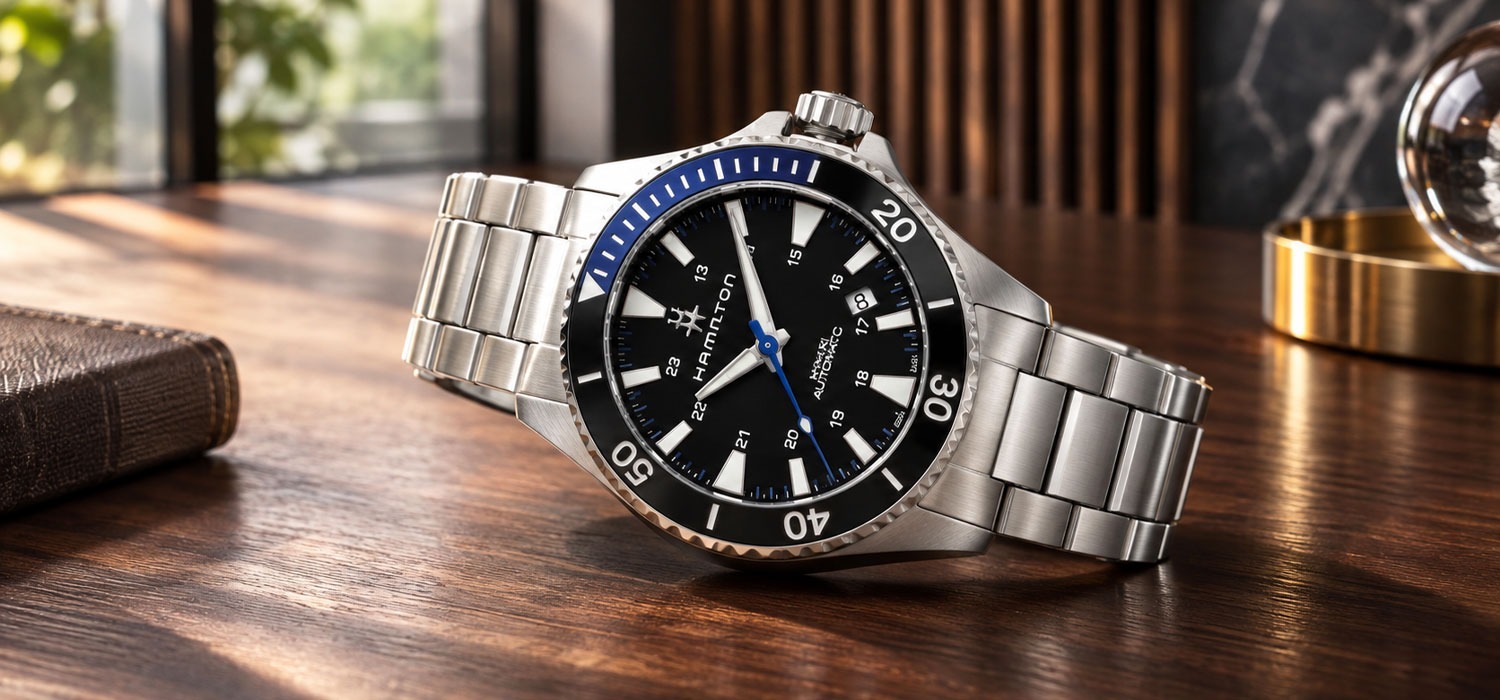
Longines qualifies as a luxury watch brand because of its heritage, manufacturing standards, mechanical watchmaking, and recognizable design language. However, certain limitations separate it from higher-priced competitors.
Where Longines Excels
Longines has a reputation for producing elegant watches that remain visually relevant beyond seasonal trends.
Its collections include traditional dress watches, professional-looking sports models, and aviation-inspired timepieces.
Many models feature automatic mechanical movements, sapphire crystals, carefully finished cases, and detailed dials.
The brand also benefits from the Swatch Group's manufacturing resources, allowing it to offer established Swiss watchmaking at comparatively accessible prices.
For buyers asking whether Longines watches are good, these characteristics make the brand a credible choice for everyday ownership.
Where Longines Falls Short
Longines does not emphasize exclusive in-house movement development to the same extent as brands such as Rolex or Omega.
Its resale demand is also generally more limited than that of certain higher-profile luxury manufacturers.
Additionally, Longines may not carry the same recognition among casual buyers as Rolex, despite its substantial history.
These differences do not diminish its legitimacy as a luxury brand, but they influence purchasing decisions.
Longines vs Tissot, Omega and Rolex
Longines occupies a distinct position between accessible Swiss watchmaking and higher-priced luxury brands. Understanding these differences helps buyers determine whether the additional expense is justified.
Longines vs Tissot
Longines generally represents a step above Tissot in finishing, brand positioning, and traditional luxury appeal.
Tissot offers dependable Swiss watches at more accessible prices, making it attractive to first-time buyers.
Longines appeals to shoppers willing to spend more for refined styling, historical prestige, and a broader selection of dress-oriented luxury watches.
Longines vs Omega
Omega occupies a higher luxury category, offering more extensive proprietary movement technology, Master Chronometer-certified models, and stronger recognition in the collector market.
Longines offers a more affordable entry point into established Swiss luxury watchmaking.
Omega may appeal more to enthusiasts prioritizing technical specifications and resale demand, while Longines offers considerable value for everyday ownership.
Longines vs Rolex and Cartier
Rolex generally commands stronger resale demand, broader recognition, and higher prices than Longines.
In a Cartier vs Longines comparison, Cartier emphasizes jewelry heritage and distinctive designs, while Longines focuses more heavily on traditional Swiss watchmaking.
Both brands offer genuine luxury watches, but they appeal to different preferences.
Longines vs Bulova and Raymond Weil
Longines also competes with established watchmakers outside the Swatch Group. Bulova and Raymond Weil are two names buyers frequently compare when considering design, heritage, and long-term ownership.
Longines vs Bulova
Longines is a Swiss luxury watchmaker, while Bulova is an American-founded brand recognized for accessible pricing, distinctive designs, and quartz timekeeping technology.
Longines generally offers a stronger traditional Swiss luxury identity, particularly through its mechanical collections.
Bulova can be attractive to buyers who prioritize affordability and everyday reliability.
Shoppers interested in more accessible alternatives can browse men's Bulova watches before comparing individual models.
Longines vs Raymond Weil
Both Longines and Raymond Weil are Swiss watch brands known for elegant designs and mechanical timepieces.
Longines has a substantially longer history, dating to 1832, while Raymond Weil was established in 1976.
Longines also benefits from broader international recognition and its association with the Swatch Group.
Raymond Weil remains an appealing alternative for buyers who prefer contemporary dress-watch styling.
Ultimately, the choice depends on design, movement specifications, and purchase price.
Do Longines Watches Hold Their Value?
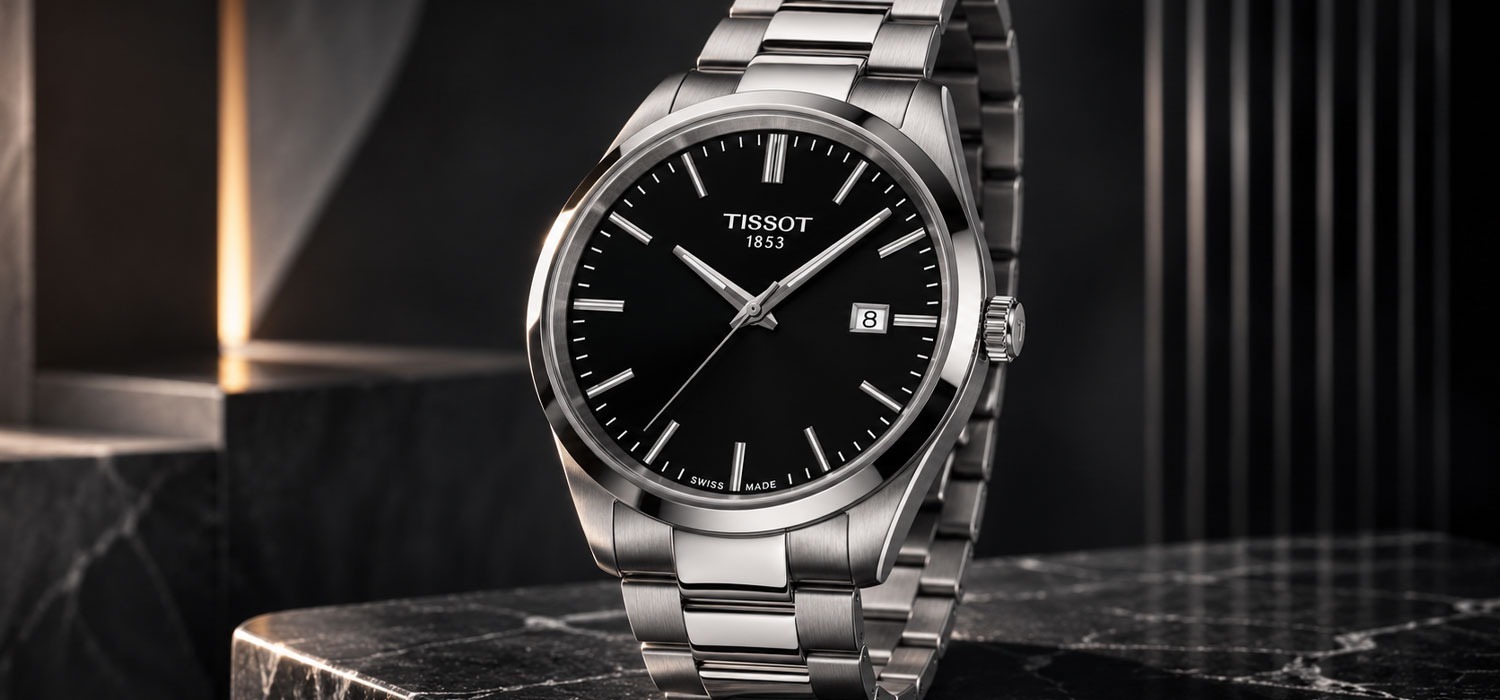
Longines watches can retain resale value, but most standard models depreciate after purchase, particularly when bought new at full retail price.
Recognizable collections and desirable references may perform better than less popular models. However, Longines generally does not attract the same secondary-market demand as Rolex or Omega.
Condition, original documentation, service history, and model availability all influence resale potential.
Buying below MSRP or purchasing a carefully inspected pre-owned watch can reduce the initial financial exposure.
Understanding how brand reputation affects resale can help buyers set realistic expectations.
Longines is best purchased for its craftsmanship and enjoyment rather than anticipated appreciation.
Which Longines Collection Fits You?
The best Longines collection depends on your preferred design, daily activities, and intended use. The brand offers everything from traditional dress watches to modern sports models.
|
Collection |
Best Suited For |
Key Characteristics |
|
Master Collection |
Formal occasions |
Classic styling and mechanical complications |
|
Conquest |
Everyday wear |
Sporty designs with versatile appeal |
|
HydroConquest |
Diving and water activities |
Dive-watch styling and practical water resistance |
|
Spirit |
Aviation enthusiasts |
Pilot-inspired designs and chronometer models |
|
DolceVita |
Rectangular watch enthusiasts |
Elegant rectangular cases and refined styling |
|
La Grande Classique |
Minimalist dress watches |
Slim profiles and understated appearance |
The Master Collection is particularly appealing to buyers seeking traditional Swiss watchmaking.
The Conquest and HydroConquest collections suit shoppers who prefer sportier designs, while Spirit models reflect Longines' aviation history.
DolceVita and La Grande Classique offer more refined alternatives for formal occasions.
Browse available Longines watches to compare styles and specifications.
How to Buy Longines Below MSRP Safely
Purchasing a Longines below MSRP can offer better value, provided the watch comes from a reputable seller.
Always verify the reference number, condition, authenticity, included accessories, and applicable warranty before purchasing.
Compare retail pricing with what you should pay.
For additional guidance, review the differences between buying new and pre-owned, and the importance of checking that a Longines is genuine.
A meaningful discount is worthwhile only when the watch's condition, authenticity, and seller terms meet your expectations.
Longines FAQs
Is Longines a Good Watch Brand?
Yes. Longines is a respected Swiss watchmaker offering reliable movements, elegant designs, and nearly two centuries of heritage at relatively accessible luxury prices.
Is Longines Better Than Tissot?
Longines generally offers more refined finishing and greater luxury prestige. Tissot remains an excellent option for buyers seeking affordable Swiss watches.
Is Longines as Good as Omega?
Longines offers respected Swiss craftsmanship, but Omega generally occupies a higher luxury category with more extensive movement technology and stronger resale demand.
Where Are Longines Watches Made?
Longines watches are Swiss-made. The company has maintained its historical connection to Saint-Imier, Switzerland, since its founding in 1832.
How Much Is a Longines Watch?
Longines prices vary by collection, movement, materials, and condition. Its watches generally occupy the accessible luxury category, below many Omega and Rolex models.
Do Longines Watches Hold Their Value?
Some Longines models retain reasonable resale value, but most depreciate. Buying below MSRP and maintaining the watch's condition can help limit potential losses.
Find Your Next Longines at Inventory Adjusters
Longines offers genuine Swiss luxury, respected craftsmanship, and lasting style at accessible prices. Browse Longines watches below MSRP at Inventory Adjusters and shop with assurance of authenticity.
Newest Guide & Blog Updates

Watch Complications Explained: What Each One Does and Which Are Worth It
Watch complications are functions beyond telling the hours, minutes, and seconds, ranging from a si...

Are Breitling Watches Good? Do They Hold Their Value?
Are Breitling watches good? Yes. Breitling is a respected Swiss luxury watchmaker known for precisi...

Is Longines a Luxury Brand?
Is Longines a luxury brand? Yes. Longines is a Swiss luxury watchmaker with nearly 200 years of his...

Is Tissot a Luxury Brand? Where Tissot Sits in the Swiss Lineup
Is Tissot a luxury brand? Yes, but it belongs in the accessible Swiss luxury category rather than t...

Is Seiko a Good Watch Brand?
Is Seiko a good watch brand? Yes, and it has been proving it since 1881. Quality depends on the lin...

How to Avoid Counterfeit Stock When Buying Wholesale Watches
How to avoid counterfeit wholesale watches starts with verifying the supplier, reviewing documentat...