
How to Avoid Counterfeit Stock When Buying Wholesale Watches
How to avoid counterfeit wholesale watches starts with verifying the supplier, reviewing documentation, and inspecting inventory before committing to a large order. For boutiques, jewelers, and online retailers buying watches in bulk, a questionable shipment can lead to financial losses, customer complaints, and potential legal complications. A reliable sourcing process should include business verification, itemized invoices, reference and serial number checks where applicable, and sample orders before scaling up. Whether you are sourcing closeout inventory or established brands for resale, treating authenticity as a purchasing requirement helps protect your business and customer relationships.
Why Counterfeit Risk Is Higher When You Buy in Bulk
Buying watches in bulk creates a different challenge from purchasing a single timepiece. One questionable supplier can expose a retailer to multiple problematic units, making verification essential before accepting an entire shipment.
U.S. Customs and Border Protection seized 79 million counterfeit items during fiscal year 2025, with a combined suggested retail value exceeding $7.3 billion had those products been genuine, as per reports. Watches have also ranked among the leading categories by estimated retail value in previous CBP seizure reports. These figures illustrate the scale of counterfeit trade, although they do not establish the likelihood that a particular wholesale shipment is counterfeit.
For retailers, the consequences can include customs seizure, marketplace account suspension, customer disputes, and damage to business reputation. Selling counterfeit goods can also create legal exposure.
The practical response is to verify suppliers and inventory before paying, listing products, or expanding an order. Genuine discounted merchandise exists, but attractive pricing should never replace documented sourcing and appropriate checks.
How to Vet Wholesale Watch Suppliers
Evaluating wholesale watch suppliers requires more than comparing catalogs and quoted prices. A structured review helps establish whether a business is transparent, responsive, and suitable for an ongoing commercial relationship.
Verify the Business
Confirm the supplier's registered business identity, physical business address, and available contact information. Ask what documentation is required for its buyer onboarding process, including any applicable tax identification or resale certificate requirements.
Check that the business name on quotations, invoices, payment instructions, and correspondence is consistent. Where information differs, request a written explanation before proceeding.
A professional website alone does not establish legitimacy. Verify the availability of business records independently and ensure you know the seller's purchasing terms before placing an order.
Check Track Record and References
Ask for trade references where available, and review independent feedback about the supplier's reliability, communication, and dispute handling. Consider whether the business has a verifiable presence in relevant trade channels or industry events.
Ask how the supplier handles discrepancies, damaged merchandise, and questions about product authenticity. Clear answers are more useful than broad assurances.
Recognize Supplier Red Flags
Pause the transaction if a supplier refuses to provide itemized invoices, offers no verifiable business details, insists on cash or cryptocurrency without appropriate documentation, or pressures you to pay immediately.
Other warning signs include refusing reasonable sample orders, supplying only generic stock photographs, offering no clear process for defective units, and giving vague answers about sourcing. One warning sign may justify further investigation. Several combined should prompt serious caution.
Documents to Request Before You Pay
Documentation creates a record of what you ordered, what the supplier represented, and what you received. Before paying for a wholesale shipment, request an itemized invoice that identifies the brand, product reference or model number, quantity, unit description, and agreed transaction terms.
Where applicable, request a list of serial numbers and verify that the information corresponds to the inventory being offered. Not every watch or brand uses the same identification system, so confirm what information is available for the specific products.
Clarify whether each unit includes its original box, papers, accessories, and warranty documentation. Ask whether the manufacturer or seller provides any warranty, and what coverage, if any, passes to your customer. Do not assume that a manufacturer's warranty applies to every wholesale purchase.
Keep invoices, written representations, payment records, and correspondence together. These records can help resolve discrepancies and support a documented response if a shipment does not match the agreement.
Inspect Before You Scale
Supplier assurances and paperwork are important, but they should not replace appropriate product checks. Establish a repeatable inspection process before increasing order quantities.
Start With a Sample Order
When commercially practical, begin with a smaller order to assess the supplier's communication, fulfillment, documentation, and product condition. Agree on the order details in writing and examine the delivered items against the invoice.
A satisfactory sample does not guarantee that every future shipment will be consistent. Continue checking subsequent deliveries rather than treating an initial successful purchase as permanent proof of reliability.
Conduct Lot-Level Checks
Compare the delivered reference numbers, quantities, and available serial numbers against the invoice and supporting records. Check whether the units appear consistent with their stated models and condition.
Inspect case-back markings and serial engravings, and assess movement details where practical and appropriate. Differences between units may warrant further investigation, but visual checks alone cannot conclusively establish authenticity.
For a detailed inspection of a timepiece, consult our article on how to check a watch. If concerns remain, seek qualified professional assessment before offering the inventory for sale.
Confirm Condition Grading
Make sure the supplier's condition descriptions match the goods received. Unworn new-old-stock watches, display models, and pre-owned watches can have different histories and signs of use.
Check the listing's definitions and document discrepancies before accepting the shipment as described. Refer to our explanation of condition terms for wholesale watch inventory when comparing these categories.
Pricing Red Flags When Buying Watches in Bulk
Low prices can be legitimate in wholesale watch sourcing. Overstock, discontinued collections, previous-season merchandise, and closeout purchases can create opportunities for retailers to acquire genuine inventory at discounted prices.
The important question is whether the price has a credible explanation. Compare the offer with other available sources, the stated condition, the completeness of the documentation, and the supplier's willingness to answer questions.
Be particularly cautious when a branded watch lot is priced far below comparable offers, and the seller cannot provide adequate records. Pressure to pay quickly, vague sourcing explanations, and missing invoices make the offer more concerning.
A discount is not proof of counterfeiting, just as a high price is not proof of authenticity. Evaluate the complete transaction rather than relying on price alone. Understanding why genuine watches may be discounted can help distinguish plausible commercial circumstances from offers that deserve additional scrutiny.
Closeout and Overstock Lots: Legitimate Sources With the Right Checks
Closeout and overstock inventory can provide retailers with opportunities to purchase genuine watches outside a brand's current assortment. Merchandise may come from discontinued collections, excess inventory, or changes in retail demand.
However, the terms "closeout" and "overstock" do not establish authenticity. Ask for documentation that explains the goods being offered, and confirm the condition, quantities, references, and available packaging information.
Mixed lots require particular attention because different units may have different references, conditions, or documentation. Check individual items against the accompanying records instead of assuming that one verified watch establishes the authenticity of the entire shipment.
Before buying, review the supplier's terms and determine how discrepancies should be reported. You can also review available clearance and closeout inventory through Inventory Adjusters. Apply the same documentation and inspection standards you would use for any other wholesale purchase.
What to Do If You Receive Counterfeit Stock
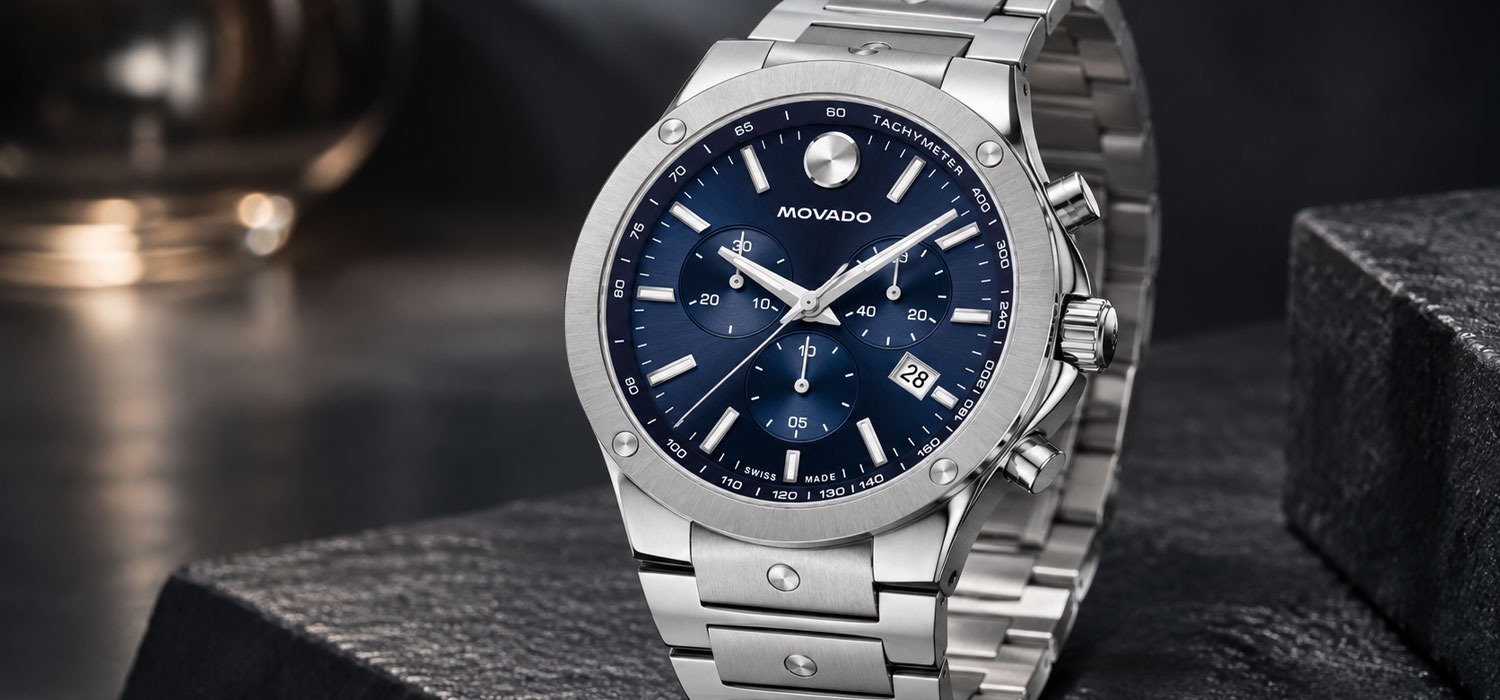
If a shipment appears counterfeit, stop listing and selling the affected units while you investigate. Preserve the products, packaging, invoices, payment records, photographs, and supplier correspondence. Record the specific discrepancies and contact the supplier in writing to request clarification.
Avoid making unsupported public accusations or altering potentially relevant evidence. Seek advice from qualified legal counsel about your obligations, potential liabilities, and appropriate next steps.
For suspected intellectual property violations involving imports, information get submitted to the National Intellectual Property Rights Coordination Center through its official referral service. Customs authorities may seize goods suspected of violating intellectual property rights, but the outcome of any particular case depends on the circumstances.
Do not assume that a supplier's response guarantees a refund or resolves every legal issue. Keep a clear record of your actions and obtain professional advice where necessary.
Wholesale Watch Buying FAQs
How can I tell if a wholesale watch supplier is legitimate?
Verify business details, check references, request itemized invoices, and review sourcing information. Start with a sample order when practical, then inspect the shipment before scaling.
What documents should a wholesale supplier provide?
Request an itemized invoice, product references, quantities, available serial lists, condition descriptions, and clear information about packaging and warranty coverage.
Is buying watches in bulk on marketplaces safe for resale?
It depends on the seller and transaction. Verify the business, document the purchase, assess authenticity, and know the marketplace's applicable selling policies before listing inventory.
Are closeout watch lots genuine?
They can contain genuine merchandise, but the closeout label does not prove authenticity. Review sourcing records, invoices, condition details, and individual units before accepting a lot.
What happens if customs seize counterfeit watches?
Customs authorities can detain or seize suspected counterfeit imports. Consequences depend on the circumstances, so consult qualified legal counsel for advice about a specific shipment.
Source Wholesale Watches With Greater Confidence
Inventory Adjusters works with buyers exploring wholesale watch inventory. Review the available selection, evaluate product information, and submit a wholesale inquiry to discuss your purchasing needs. Verify the terms and documentation relevant to your order before committing to a shipment.
Newest Guide & Blog Updates
Watch Complications Explained: What Each One Does and Which Are Worth It
Watch complications are functions beyond telling the hours, minutes, and seconds, ranging from a si...
Are Breitling Watches Good? Do They Hold Their Value?
Are Breitling watches good? Yes. Breitling is a respected Swiss luxury watchmaker known for precisi...

Is Longines a Luxury Brand?
Is Longines a luxury brand? Yes. Longines is a Swiss luxury watchmaker with nearly 200 years of his...
Is Tissot a Luxury Brand? Where Tissot Sits in the Swiss Lineup
Is Tissot a luxury brand? Yes, but it belongs in the accessible Swiss luxury category rather than t...
Is Seiko a Good Watch Brand?
Is Seiko a good watch brand? Yes, and it has been proving it since 1881. Quality depends on the lin...
How to Avoid Counterfeit Stock When Buying Wholesale Watches
How to avoid counterfeit wholesale watches starts with verifying the supplier, reviewing documentat...