
Is Tissot a Luxury Brand? Where Tissot Sits in the Swiss Lineup
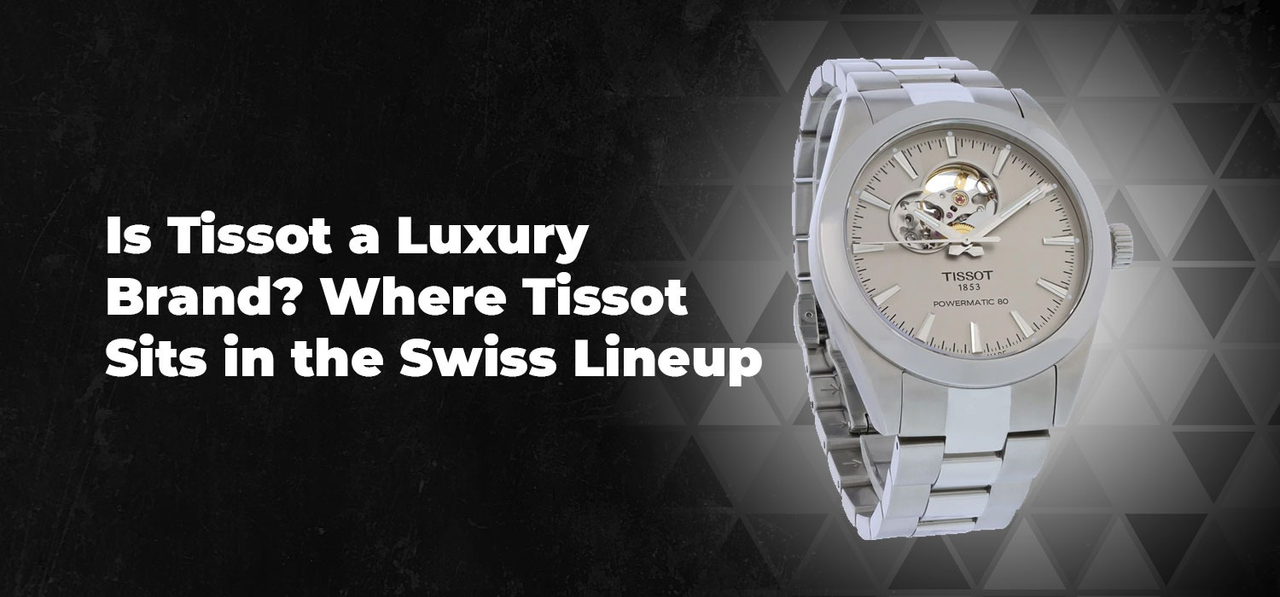
Is Tissot a luxury brand? Yes, but it belongs in the accessible Swiss luxury category rather than the high-luxury segment. Founded in 1853 in Le Locle, Switzerland, Tissot has a long watchmaking history and offers Swiss-made watches with dependable quartz options, mechanical movements, and well-established designs. Its appeal is straightforward. You get the heritage and identity of a Swiss watchmaker without stepping into the pricing of the most exclusive names in the industry.
That makes Tissot a practical starting point if you are buying your first Swiss watch or want an everyday timepiece with more watchmaking substance than a fashion accessory. The right model still depends on your preferences, though. Movement type, case size, crystal, water resistance, and finishing can vary considerably across the collection.
Where Tissot Sits in the Swiss Watch Lineup
Tissot sits in the entry-level or accessible-luxury part of the Swiss watch market. It is positioned above basic fashion watches in heritage and watchmaking focus, while remaining more attainable than prestige and high-luxury timepieces. The tiers below are broad market groupings, not an official industry ranking. Brands within the same group can differ in movement technology, finishing, materials, and price.
|
Broad market position |
What buyers can generally expect |
|
Entry-level Swiss and lifestyle watches |
Accessible pricing, straightforward movements, and everyday designs. |
|
Accessible Swiss luxury, including Tissot |
Established heritage, Swiss-made positioning, a broad collection, and automatic options. |
|
Premium and prestige watchmaking |
More elaborate finishing, higher-end movement specifications, and often more specialized collections. |
|
High luxury and haute horlogerie |
Greater emphasis on complex calibers, precious materials, hand-finishing, exclusivity, and collector demand. |
The useful takeaway is not that every watch in one tier is automatically better than every watch in another. It is that Tissot aims to make traditional Swiss watch ownership accessible, with enough variety to suit daily wear, formal settings, and sportier use.
What You Get for the Money
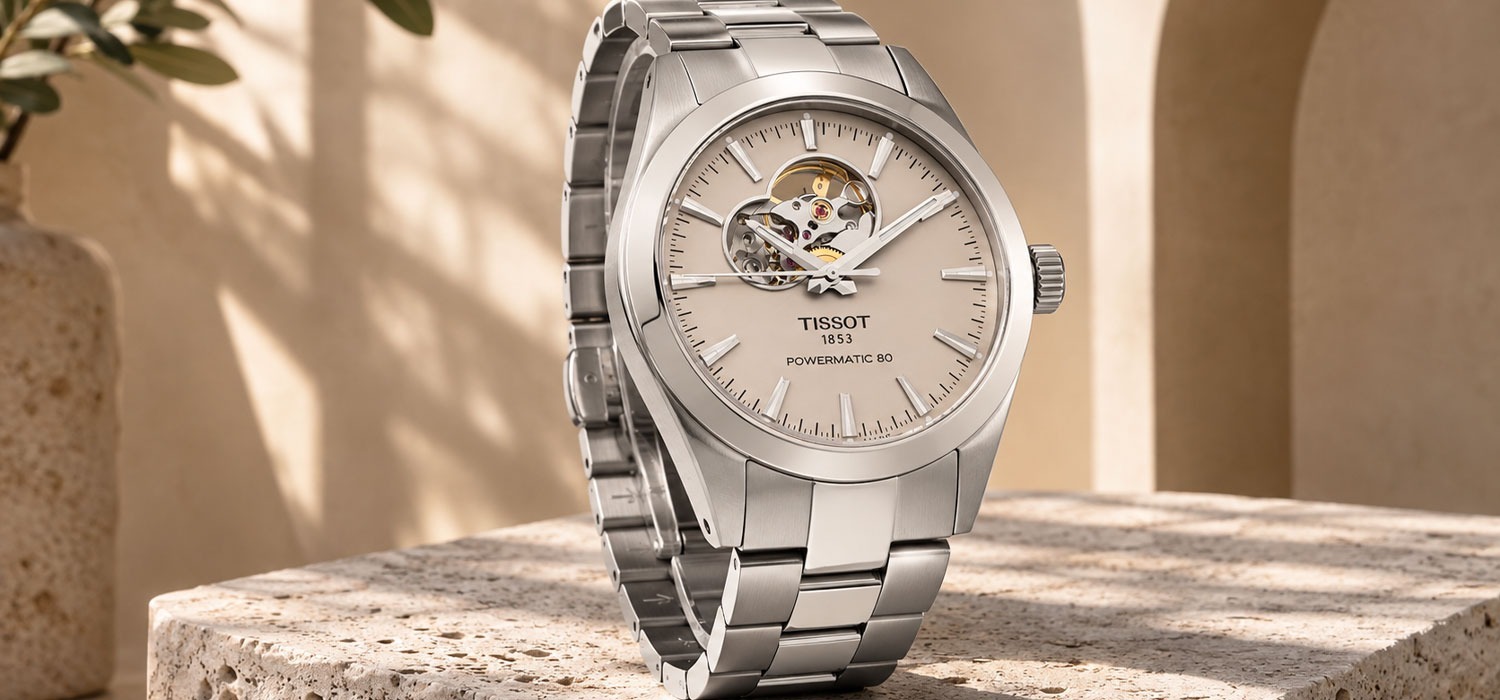
Tissot's value comes from combining Swiss watchmaking heritage with a broad range of movements, materials, and designs. The details depend on the reference, so compare specifications rather than assuming every model shares the same construction.
Powermatic 80 automatic movements
The Powermatic 80 is an automatic movement family used in many Tissot watches. An automatic movement uses the motion of your wrist to wind its mainspring, storing energy that powers the watch. Selected Powermatic 80 models offer up to 80 hours of power reserve, meaning a fully wound watch can continue running for roughly that period when it is not being worn. The exact specification can vary by model. If you enjoy seeing the mechanics at work, look for references with a transparent caseback. Our explanation of how an automatic movement works covers the basics in plain language. Read how an automatic movement works before choosing between quartz and automatic.
Swiss quartz and practical materials
Tissot also offers quartz watches, which use a battery-powered electronic movement and generally need less day-to-day attention than a mechanical watch. Across the range, you will find stainless-steel cases, different bracelet and strap options, and crystals that vary by model. Sapphire crystal is used on many references, but not all. Check the product specifications for the exact crystal type, water-resistance rating, case material, and movement before you buy.
What Tissot Is Not
Tissot is not a boutique watchmaker where every model is built around a highly exclusive, individually developed movement. Many of its watches use movement platforms produced within the wider Swatch Group supply network. That shared engineering helps make reliable Swiss watchmaking available at a more accessible price, but it is different from paying for a rare, highly finished, proprietary caliber.
You should also keep expectations realistic about finishing and resale. Case and bracelet details are well suited to the price category, but they are not intended to compete with the hand-finishing found in much more expensive watches. Tissot is a respected brand, but most models should be bought because you want to wear them, not because you expect them to be appreciated.
Do Tissot Watches Hold Their Value?
Most Tissot watches are not investment purchases. Like many production watches, they can lose value after the initial sale, and resale prices depend on the model, condition, completeness, demand, and the price paid at purchase. Popular designs may attract more interest than less familiar references, but that does not guarantee a strong resale result.
The smarter approach is to focus on the price you pay and the enjoyment you expect to get from the watch. Buying below the original retail price can improve the value equation, provided the seller is clear about authenticity, condition, warranty coverage, and returns. Our coverage of watch value and resale explains why the purchase price and brand reputation matter. See cost versus real watch value and how brand reputation affects resale.
Tissot Collections Worth Knowing
Tissot's collection covers several distinct styles, which makes choosing by intended use a sensible place to start.
- PRX. A modern integrated-bracelet design with a strong connection to a 1970s Tissot model. It is available in quartz and automatic versions.
- Seastar 1000. A sport-focused collection with dive-watch styling. Some automatic references offer 300-meter water resistance, but always check the exact model.
- PR 100. A versatile everyday collection with clean styling and quartz options, as well as selected automatic models.
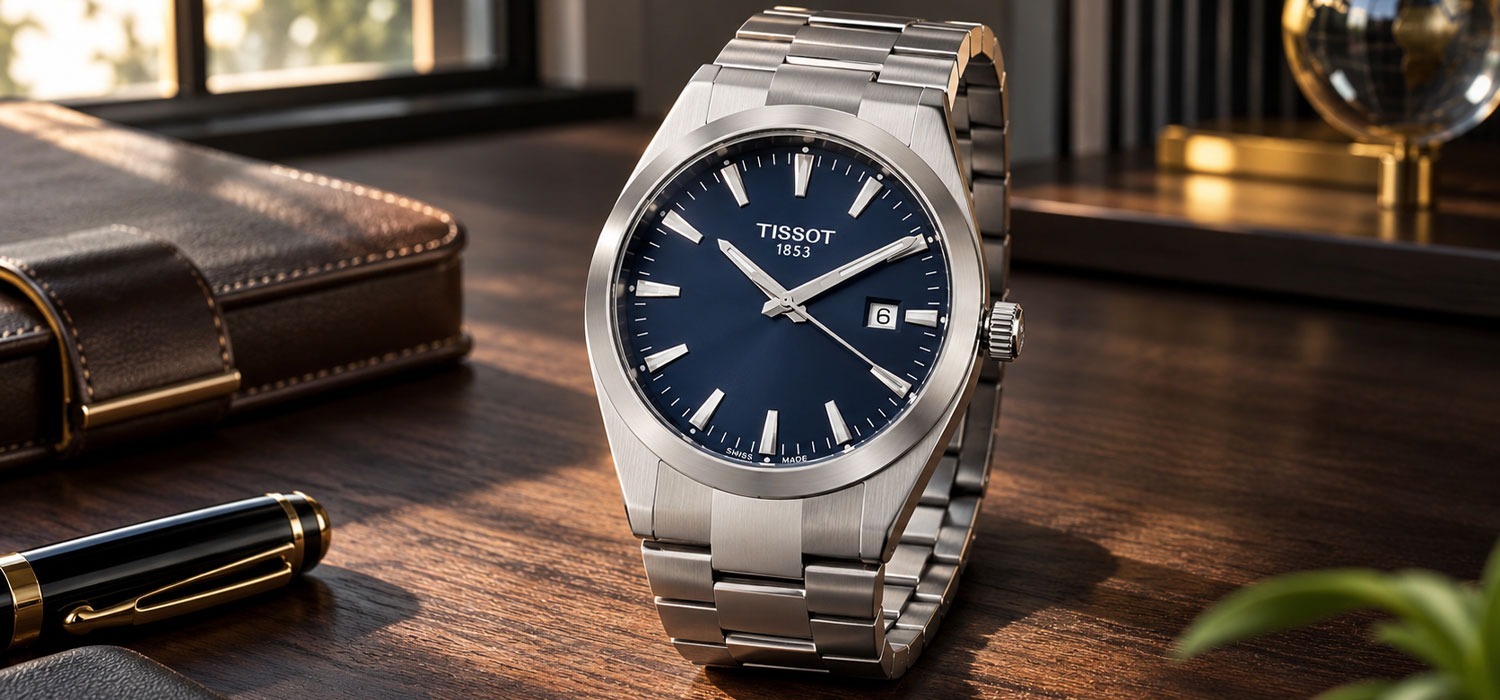
- Gentleman. A more refined everyday watch with classic proportions and both quartz and automatic options in the range.
- Le Locle. A dressier collection named after Tissot's Swiss home town, with traditional dial details and automatic models.
- Chemin des Tourelles. A more formal line that draws on the brand's heritage and includes automatic options.
The most expensive Tissot models are usually special editions, precious-metal pieces, or more elaborate mechanical references. The highest price does not automatically make a watch the best choice. Match the model to your wrist, wardrobe, and preferred movement. Browse the full Tissot collection at Inventory Adjusters to see which references are currently listed.
How to Buy a Tissot Below MSRP Safely
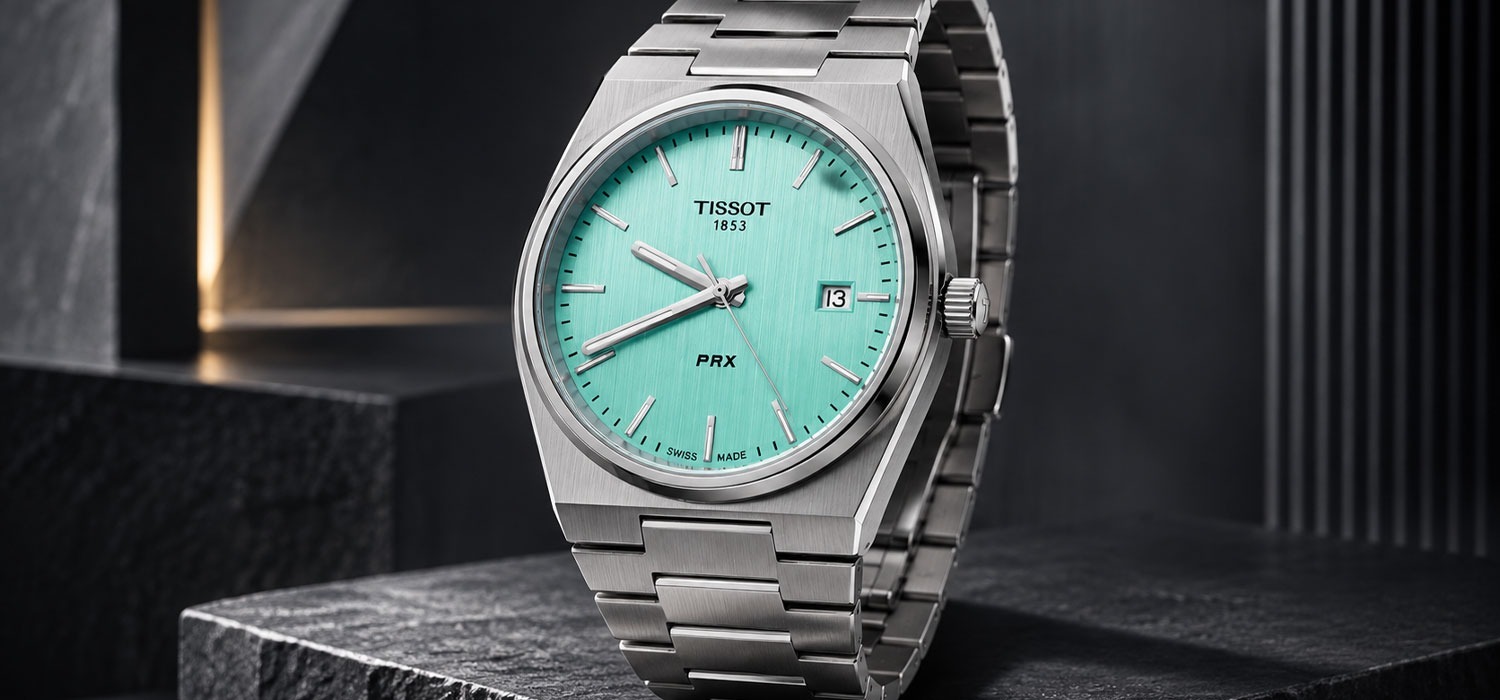
A lower price is useful only when the watch and the purchase terms are clear. Before ordering, compare the reference number on the listing with the manufacturer's model information. Review photos for case, bracelet, dial, and crystal, and ask about missing links, boxes, papers, or other accessories lh they matter to you.
Read the seller's warranty and return policy carefully. A seller warranty is not necessarily the same as a manufacturer's warranty, and coverage can differ by seller and product. Check whether the watch is new, pre-owned, or old stock, and confirm that the stated condition matches the listing. Our resources on why watches can cost less online and what a seller warranty covers can help you make a more informed decision.
Read manufacturer warranty versus seller warranty before checking current Tissot watches for men at Inventory Adjusters.
FAQs
Is Tissot a luxury watch or mid-range?
Tissot is generally considered accessible or entry-level Swiss luxury. It offers Swiss-made heritage and mechanical options without occupying the high-luxury price segment.
Who owns Tissot?
Tissot is part of the Swatch Group, the Swiss watchmaking group formed in 1983 through the merger of SSIH and ASUAG.
Is Tissot as good as the most prestigious Swiss watchmakers?
Tissot offers credible Swiss watchmaking at a more accessible level. More prestigious watches may offer more elaborate finishing, specialized movements, and exclusivity.
How much is a Tissot watch?
Prices vary by collection, movement, materials, and retailer. Quartz models are generally more accessible, while automatic and special-edition references can cost more.
Do Tissot watches hold their value?
Most Tissot watches should be purchased for wearing rather than investment. Resale depends on reference, condition, demand, completeness, and the original purchase price.
Is an automatic Tissot worth buying?
An automatic Tissot can be worthwhile if you enjoy mechanical watchmaking and are comfortable with periodic servicing. Choose quartz if you prefer simpler, lower-maintenance ownership.
Find Your Tissot at Inventory Adjusters
A good watch should make sense on your wrist and in your budget. Tissot offers a compelling entry into Swiss watch ownership, with everyday quartz models, automatic options, and designs that work across different settings. If you are ready to compare references and look for value below retail, browse the current Tissot selection at Inventory Adjusters. Check each listing for its exact specifications, condition, and warranty details, then choose the watch you will enjoy wearing.
Newest Guide & Blog Updates

Watch Complications Explained: What Each One Does and Which Are Worth It
Watch complications are functions beyond telling the hours, minutes, and seconds, ranging from a si...

Are Breitling Watches Good? Do They Hold Their Value?
Are Breitling watches good? Yes. Breitling is a respected Swiss luxury watchmaker known for precisi...

Is Longines a Luxury Brand?
Is Longines a luxury brand? Yes. Longines is a Swiss luxury watchmaker with nearly 200 years of his...
Is Tissot a Luxury Brand? Where Tissot Sits in the Swiss Lineup
Is Tissot a luxury brand? Yes, but it belongs in the accessible Swiss luxury category rather than t...

Is Seiko a Good Watch Brand?
Is Seiko a good watch brand? Yes, and it has been proving it since 1881. Quality depends on the lin...
How to Avoid Counterfeit Stock When Buying Wholesale Watches
How to avoid counterfeit wholesale watches starts with verifying the supplier, reviewing documentat...