
Manufacturer Warranty vs Seller Warranty- What You're Actually Covered For
You find the watch you want at a price well below what an authorized dealer is charging. Then you notice one sentence in the listing- the manufacturer’s warranty is not included.
That is usually where the hesitation starts.
The real question is not simply whether the watch has a warranty. It is who is responsible if something goes wrong, what that coverage includes, where the watch goes for repair, and what could leave you paying out of pocket.
Understanding manufacturer warranty vs. seller warranty terms helps you compare the actual protection behind each purchase rather than treating all warranties as interchangeable. Neither option is automatically better for every buyer. The value depends on the terms, purchase price, service route, and how long you plan to keep the watch.
The Core Difference Between a Manufacturer Warranty and a Seller Warranty
A manufacturer's warranty is issued by the watch brand and normally handled through the brand’s authorized service network. A seller's warranty is issued by the retailer and handled through that retailer’s repair department or service partners. Both can provide real coverage, but they differ in who stands behind the repair and what their written terms include.
Four questions matter most when comparing them-
Who issues the warranty?
What defects and components are covered?
Who performs the repair?
What actions or conditions void the coverage?
Those details matter much more than the word “warranty” by itself.
What Is a Manufacturer's Warranty on a Watch?
A manufacturer's warranty is coverage provided by the watch brand for qualifying defects during a stated warranty period.
The exact terms vary by manufacturer. Some brands offer relatively short periods, while others provide coverage lasting five years or longer. Buyers should never assume every luxury watch warranty follows the same duration or rules.
Manufacturer warranties commonly focus on defects in materials, artistry, or the movement. Depending on the brand, covered components may include the movement, dial, hands, or markers.
Items such as straps, bracelets, crystals, batteries, cosmetic wear, accidental damage, and routine servicing are commonly excluded.
Repairs are normally performed through an authorized service center. That can be important for buyers who specifically want the brand itself to inspect and repair the watch.
Manufacturer warranties may also transfer with the watch when it is sold, provided the necessary documentation remains with it, but this varies by brand. Buyers considering resale should confirm the exact policy rather than assuming transferability.
What Is a Seller Warranty?
A seller's warranty is a written commitment from the retailer to repair or replace qualifying faults within the period stated in its terms.
It is separate from the manufacturer.
Retailers that are not part of a manufacturer’s authorized network may be unable to provide factory warranty coverage. Instead, they may issue their own warranty and handle repairs through an in-house repair department or outside watchmakers.
This does not mean every seller's warranty is equal.
Terms can differ substantially in-
- Duration
- Covered components
- Repair location
- Shipping charges
- Claim procedures
- Exclusions
- Transferability
Seller warranties are also commonly tied to the original buyer rather than following the watch after resale. That can matter if you expect to sell the watch before the warranty period ends.
The most important signal is whether the terms are available in writing. A clearly documented warranty explains what the retailer is committing to do. A vague promise such as “we’ll take care of you” does not provide the same certainty.
Manufacturer Warranty vs Seller Warranty- Side by Side
|
Factor |
Manufacturer Warranty |
Seller Warranty |
|
Who provides coverage |
Watch brand |
Retailer |
|
Typical coverage |
Manufacturing or artistry defects |
Operation or mechanical faults, depending on the seller |
|
Repair provider |
Brand or authorized service center |
Retailer repair department or watchmaker network |
|
Duration |
Varies widely by brand |
Varies by retailer |
|
Common exclusions |
Wear, accidental damage, straps, crystals, batteries, unauthorized repair |
Often similar, but the terms differ |
|
Documentation |
Warranty card and proof of purchase |
Invoice and seller warranty documents |
|
Service location |
Brand service center |
Retailer or repair partner |
|
Possible buyer costs |
Shipping or non-covered repairs |
Shipping fees or non-covered repairs |
|
Transferability |
Often possible, depending on the brand |
Commonly limited to the original buyer |
|
What to verify |
Active coverage and brand terms |
Published terms before purchase |
Neither warranty is automatically the right choice.
A buyer who wants factory service and intends to keep the watch for many years may place greater value on manufacturer coverage. A buyer focused on purchase price may be comfortable with a seller's warranty if the terms are clear and the repair process is acceptable.
What Does a Watch Warranty Usually Cover?
A watch warranty usually covers defects related to how the watch was made rather than damage caused by ordinary use.
Typical examples include movement failure, qualifying mechanical faults, or timekeeping problems caused by a manufacturing defect.
The basic principle is simple- warranty coverage generally applies when the watch was made incorrectly, not when it was damaged after purchase.
What Is Usually Excluded From a Watch Warranty?
Most watch warranty exclusions relate to wear, impact, maintenance, or misuse.
Cosmetic scratches and normal wear are not manufacturing defects. Straps and batteries are consumable parts. Crystals are commonly damaged by impact. Accidental damage, misuse, and neglect are also normally outside warranty coverage.
Water damage deserves particular attention because buyers often misunderstand how it happens.
A watch may have a stated water-resistance rating, but seals still depend on the case, crown, gaskets, and proper use. Heat can cause metal components and rubber gaskets to expand at different rates, creating tiny openings that can allow moisture into the case. Exceeding the stated depth rating or failing to secure a screw-down crown can also compromise the seal.
For more details, review how water resistance ratings actually work.
Opening the case can also void coverage. Once another party has worked inside the watch, the warranty provider may no longer be able to determine whether a later fault existed beforehand or was caused during that intervention.
Who Repairs a Watch Under Warranty?
Under manufacturer coverage, the watch is generally repaired by the brand or an authorized service center.
Under seller coverage, repairs may be handled by the retailer’s own repair department or by watchmakers working on its behalf.
Buyers sometimes assume that any non-manufacturer repair means inferior work or parts. That is too broad. Independent watchmakers regularly service mainstream mechanical watches, but their capabilities, equipment, access to parts, and experience vary. The sensible approach is to ask who performs the work and what the repair process involves.
There is also a larger ownership issue to consider- every warranty eventually ends.
Once coverage expires, the owner pays for repairs regardless of where the watch was purchased. Mechanical watches also require servicing over time, so buyers should consider the total cost of servicing rather than focusing only on the initial warranty period.
The financial comparison can be useful. If buying through a discount retailer saves far more than the likely cost of a future repair, some buyers may accept the seller's coverage. If the movement is expensive to service and the price difference is relatively small, manufacturer coverage may carry more value.
The calculation depends on the specific watch.
A Worked Example- How One Seller's Warranty Operates
Inventory Adjusters provides a useful example because its warranty terms state the trade-off directly.
The company explains that it is not associated with watch manufacturers and therefore does not provide the manufacturer’s warranty with its watches. That disclosure matters because it tells the buyer exactly what is not included rather than leaving the relationship unclear.
For most watches, Inventory Adjusters provides a two-year warranty, with the applicable warranty period shown in the individual product description. The coverage applies to the timepiece's operation, with repair or replacement at the company’s option.
Watches are also inspected and tested before listing and before shipping.
For a warranty claim, the published process instructs customers to return the watch for diagnosis and repair with a copy of the original invoice and a letter explaining the problem. US customers include $7.50 for return shipping, while international customers include $30 US. When an email address is supplied, the company states that it sends a notification when the watch enters the Repair Department and again when the repair is complete.
The warranty excludes cosmetic issues, normal wear, leather and similar straps, resin or rubber straps, crystals, batteries, and damage caused by misuse or neglect. Coverage can also be voided if another party opens or services the watch, if water-resistance limits are exceeded, or if the crown is not properly secured before exposure to water.
Because terms can differ by product, buyers should review the full warranty terms and the individual listing before purchasing.
Warranty and Returns Are Not the Same Thing
A warranty and a return policy solve different problems.
If a watch arrives faulty, the return policy may be the first route to use because return windows are much shorter than warranty periods.
Inventory Adjusters publishes a 30-day return policy for US online purchases, subject to its stated requirements.
A fault that appears much later is normally a warranty matter instead.
Confusing the two can cause problems because waiting to pursue a warranty claim may mean missing the shorter return window.
What Should You Verify Before Buying a Watch Online?
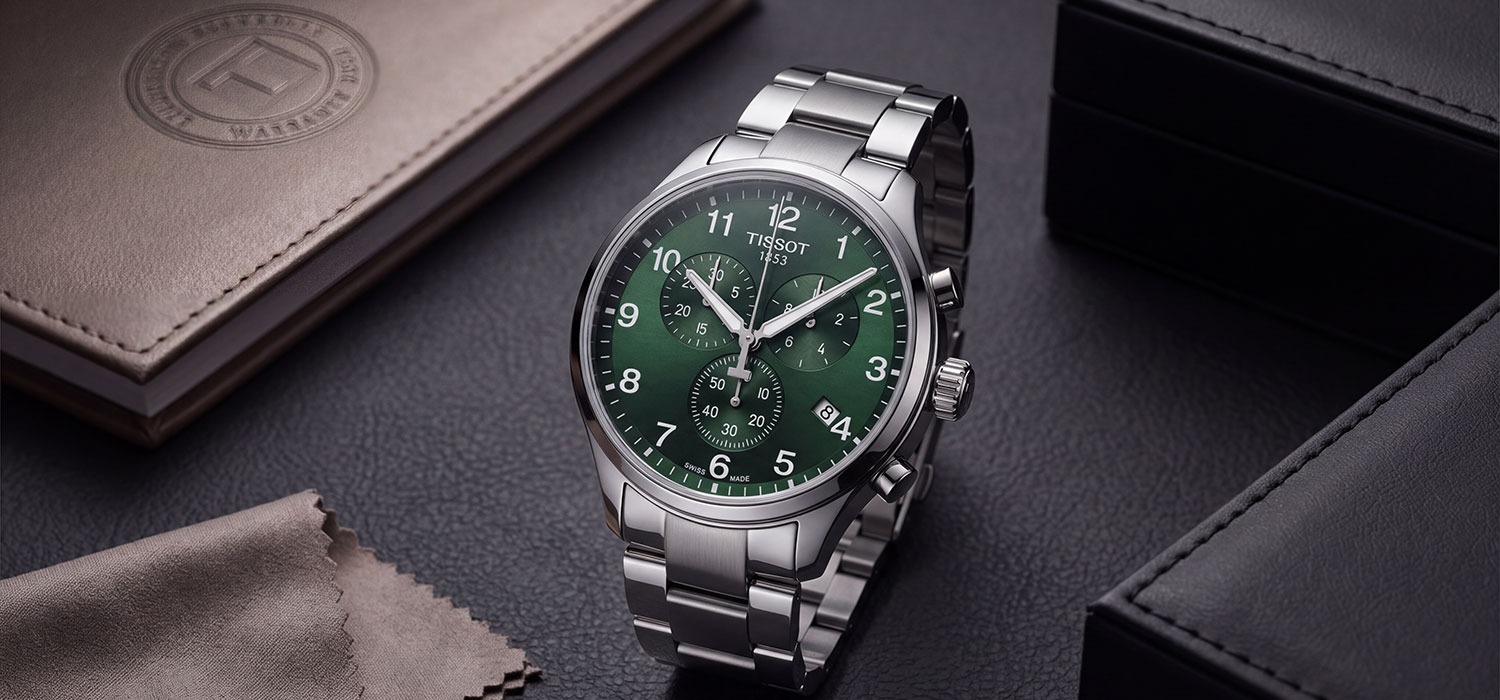
Before paying, confirm who actually issues the warranty. Is it the manufacturer or the retailer?
Check when the warranty starts and how long it lasts. Read which components and faults are covered rather than relying on a general statement that “the watch is warranted.”
Look closely at the exclusions. Unauthorized case opening, outside servicing, accidental damage, and water exposure are common causes of coverage loss.
Find out where the watch goes if repair is needed and whether you are responsible for shipping in either direction.
If resale is possible, check whether the warranty transfers to another owner.
Finally, read the return policy separately. A return window and a warranty period are not substitutes for each other.
Most importantly, get the warranty terms in writing before payment through the listing, invoice, warranty document, or written confirmation from the retailer.
If a seller will not clearly explain its warranty before purchase, that uncertainty is useful information by itself.
Key Takeaway
The important question is not simply whether a watch has a warranty. It is who issues the coverage, what defects are included, what can void it, and where the watch goes when something fails.
Manufacturer and seller warranties can both provide meaningful protection, but each has limits. The better fit depends on the watch, the price difference, how long you plan to own it, and how much factory service matters to you.
Frequently Asked Questions
1. Does buying from a discount retailer void the manufacturer’s warranty?
Not necessarily. In many cases, a watch sold outside an authorized network did not include factory warranty coverage in the first place, rather than having an existing warranty revoked. Ask the seller what coverage comes with the specific watch before purchasing.
2. Can the manufacturer still service my watch if I bought it elsewhere?
Often yes, but the repair may be treated as paid service rather than warranty work. Brand policies vary, so confirm directly with the manufacturer if factory service access is important to you.
3. Are seller warranties transferable?
Often they are not, while some manufacturer warranties can follow the watch when documentation remains intact. Transfer rules vary, so read the written terms if you expect to resell the watch during the warranty period.
4. What documents do I need for a warranty claim?
Requirements vary, but proof of purchase and warranty documentation are commonly needed. Keep your invoice, warranty card,d or seller document, and any written correspondence confirming the coverage.
5. Does a watch warranty cover normal servicing?
Usually not. Warranties cover qualifying defects, while routine mechanical servicing is maintenance that the owner normally pays for separately.
6. How long does a warranty repair take?
There is no standard period. Timing depends on diagnosis, parts availability, repair complexity, and the service provider. Ask whether the provider gives status updates and an expected repair timeframe before sending the watch.
7. Is an extended warranty worth buying?
That depends on what extra coverage it adds. Some plans may cover risks excluded from standard warranties, while others largely duplicate existing protection. Compare the exclusions and claim terms before paying for additional coverage.
8. What happens if the watch fails after the warranty ends?
The owner pays for the repair. That applies whether the original coverage came from a manufacturer or a seller, which is why long-term service costs should be part of the purchase decision.
9. My watch arrived faulty. Is that a return or warranty issue?
Usually, start by checking the return policy, as the return window may offer a faster remedy and often expires much sooner than the warranty. Contact the seller immediately rather than assuming the warranty should be used first.
Newest Guide & Blog Updates
Sunburst, Matte, and Textured Watch Dials Explained
A watch dial is one of the first details that captures attention. Beyond displaying the time, the d...
How Dial Color and Design Affect a Watch's Style
A watch dial is one of the first things you notice, and its color can change how the entire watch l...
Watch Dial Types Explained: What Should You Know Before Buying?
Every time you look at a watch, the dial is the first detail you notice. Often called the watch fac...
Is Rado a Good Watch Brand? What Sets It Apart From Other Swiss Names
When people begin searching for a Swiss watch, they often compare brands based on heritage, craftsm...
How to Buy Watches Wholesale: A Step-by-Step Guide for Resellers and Retailers
Buying watches wholesale may appear straightforward. Find a supplier, purchase inventory at a lower...
Movado Bold vs. Museum Classic vs. Series 800: Which Collection Actually Fits You?
Choosing a Movado watch can become surprisingly complicated once you compare collections side by si...