
How to Buy Watches Wholesale: A Step-by-Step Guide for Resellers and Retailers
Buying watches wholesale may appear straightforward. Find a supplier, purchase inventory at a lower price, and sell the watches at a profit. However, the reality is more complex. Watches are a unique wholesale category because factors such as authenticity, condition, documentation, brand reputation, and customer expectations directly influence whether a purchase becomes a profitable opportunity or a costly mistake.
For retailers, online sellers, jewelry stores, and independent resellers, success begins long before the first order is placed. The right wholesale strategy requires understanding your customers, selecting reliable suppliers, calculating the true cost of ownership, and managing inventory carefully once products arrive.
This guide explains the wholesale buying process for watches from beginning to end, helping resellers make informed decisions and build a sustainable watch business.
Step 1: Define Your Customer and Product Strategy
Before contacting wholesale watch suppliers, the first step is determining exactly what type of customer you want to serve. Different businesses require different inventory strategies.
A boutique gift shop, an online marketplace seller, and a jewelry retailer may all sell watches, but their customers often have different expectations. A store specializing in affordable fashion accessories will likely require different products compared with a retailer focused on luxury Swiss watches.
Before purchasing wholesale watches, consider these important questions:
- Who is your target customer?
- What price range fits your existing business?
- Are you focusing on men’s watches, women’s watches, or both?
- Are you interested in fashion watches, classic dress watches, sport watches, or luxury brands?
- Is your business positioned around everyday affordability or premium products?
Understanding your audience helps prevent one of the most common wholesale mistakes: purchasing inventory that does not match customer demand.
For example, a retailer whose customers typically purchase $30 to $60 accessories may struggle to sell several hundred-dollar Swiss watches. Likewise, a luxury-focused customer base may not respond strongly to inexpensive fashion watches.
A successful wholesale strategy begins with alignment between your inventory and your customer expectations.
Step 2: Research Potential Wholesale Watch Suppliers
Once you know what types of watches you want to sell, the next step is to evaluate potential suppliers. Price is important, but it should not be the only deciding factor.
A supplier offering extremely low prices may pose additional risks if the authenticity, condition, or customer support is unclear.
When comparing wholesale watch suppliers, consider the following factors:
Reputation and Experience
Research how long the supplier has been operating and what customers say about their experience. Pay attention to whether complaints involve authenticity concerns, inaccurate descriptions, poor communication, or simply shipping delays.
Authenticity Practices
For branded watches, authenticity should always be a priority. Ask suppliers how they verify products and whether they provide supporting documentation when available.
A reliable supplier should be able to clearly explain where its inventory comes from and how it maintains authenticity.
Inventory Consistency
Some suppliers specialize in one-time inventory lots, while others maintain ongoing relationships with distributors and brands.
If you plan to build a long-term business, consistent access to inventory can be valuable. A supplier who can regularly provide similar products allows you to maintain reliable stock levels.
Brand Selection
The supplier’s catalog should match your business strategy. A supplier specializing in luxury Swiss brands may not be the best choice for a retailer focused on affordable fashion watches.
Pricing and Terms
Review more than the unit price. Know about minimum order requirements, payment terms, shipping costs, and return policies before committing.
Many established wholesale watch suppliers do not publish prices publicly. Instead, they provide pricing based on quantities, available inventory, and buyer requirements. This approach is common in the industry.
For example, Inventory Adjusters operates as a watch liquidator and distributor, providing wholesale pricing through direct communication with its wholesale sales department rather than displaying fixed pricing online. Quote-based pricing allows suppliers to provide accurate information based on available inventory and order volume.
Step 3: Verify Watch Authenticity and Condition
Authenticity is one of the most important considerations when buying watches wholesale. Unlike many other products, watches carry significant brand value, and counterfeit products can create serious business risks.
Before purchasing inventory, confirm:
- Whether products are branded, unbranded, or OEM
- Whether authenticity verification procedures are available
- Whether original packaging, warranty cards, and documentation are included
- Who handles authenticity concerns if products are questioned by customers or marketplaces
Condition grading is another important factor. Different suppliers may use similar terms with different meanings, so always confirm exactly what each condition category includes.
Common watch inventory conditions include:
New
Unused watches that are generally supplied with original packaging and accessories.
Overstock
New inventory that retailers or brands need to move due to excess stock.
Closeout
Discontinued or end-of-line products are often offered at reduced prices.
Store Display
Products used for display purposes that may show handling marks but have not been customer-owned.
Pre-Owned
Previously owned watches where the condition can vary significantly.
Certified Pre-Owned
Previously owned watches were inspected and verified according to the seller’s own standards.
It is important to know that “certified pre-owned” does not represent one universal industry standard. Each supplier may have different inspection procedures.
Step 4: Calculate the True Cost of Wholesale Watches
The wholesale purchase price is only one part of the total investment. Many resellers make the mistake of calculating profitability based only on the supplier invoice.
The actual cost of selling a watch may include:
- Wholesale purchase price
- Shipping expenses
- Taxes or import duties
- Packaging materials
- Payment processing fees
- Expected returns
- Storage costs
- Marketplace fees
- Advertising and marketing expenses
A supplier offering a slightly higher unit price may still provide better profitability if their products have fewer defects, stronger documentation, faster shipping, and lower return rates.
The lowest purchase price does not always create the strongest business opportunity. True profitability comes from understanding the full cost of bringing inventory to customers.
Step 5: Evaluate Retail Pricing and Profit Margins
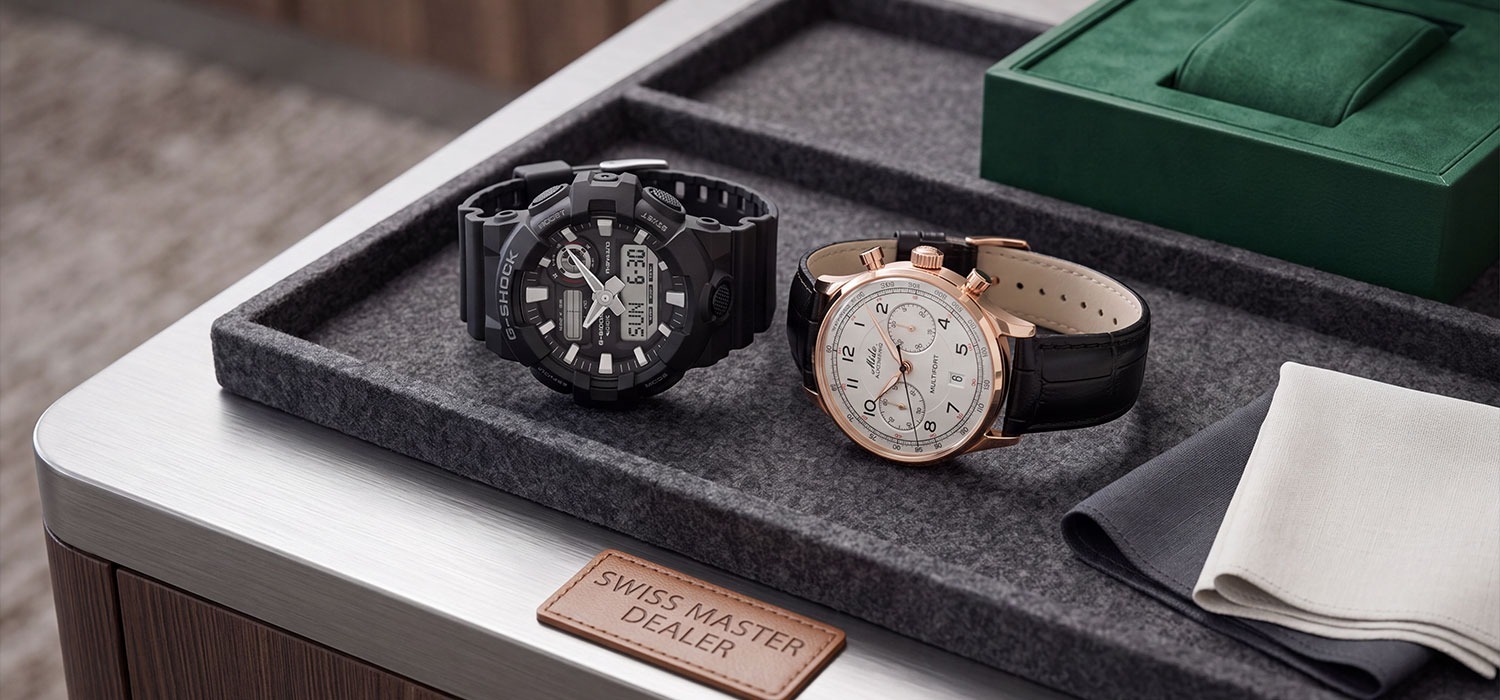
After calculating your true costs, determine whether the inventory supports your desired business goals.
Three important measurements help evaluate wholesale watch opportunities:
Markup
Markup refers to the amount added to your purchase cost when setting a retail price.
Gross Margin
Gross margin measures profit as a percentage of the final selling price.
Sell-Through Rate
The sell-through rate shows how quickly inventory sells over a specific period.
A watch with a high markup may appear profitable, but if it remains unsold for months, your money remains tied up in inventory.
A product with a smaller margin that sells consistently may contribute more to long-term business success.
Successful resellers balance pricing with customer demand, inventory turnover, and overall business goals.
Step 6: Begin With a Controlled Inventory Investment
New watch resellers often benefit from starting with a smaller order rather than committing significant capital immediately.
A controlled first purchase allows you to test:
- Which brands attract customers
- Which price points perform best
- Which styles sell quickly
- Which products require more marketing effort
Supplier catalogs may look appealing, but customer behavior can differ from expectations. A style that appears popular may not necessarily match your audience.
Testing different categories, brands, and price ranges provides valuable information before expanding inventory.
Once you identify successful products, you can increase purchasing confidence and scale gradually.
Step 7: Manage Your Watch Inventory Effectively
Buying inventory is only the beginning. Proper management determines whether your wholesale purchase becomes profitable.
Effective inventory management includes:
- Tracking every item by SKU, brand, model, and condition
- Monitoring stock levels
- Identifying slow-moving products
- Reordering successful items
- Adjusting inventory based on seasonal demand
Watch purchasing patterns can change throughout the year. Gift-buying seasons, holidays, and special occasions may influence customer demand.
Many wholesale specialists recommend maintaining a core selection of proven sellers while rotating a portion of inventory to keep the collection fresh. The exact percentage depends on your own sales data and customer preferences.
The key is to strike a balance between reliable bestsellers and new products that encourage repeat customers.
Step 8: Build a Resale Strategy
The way you sell watches is just as important as the products you purchase.
Different sales channels offer different advantages:
Online Store
An independent website provides control over branding, pricing, and customer experience. However, attracting visitors requires marketing investment.
Marketplaces
Online marketplaces offer access to existing customers but often involve competition, fees, and specific seller requirements.
Physical Retail
Customers purchasing higher-value watches may appreciate seeing products in person before buying.
Social Commerce
Social platforms can work well for visually appealing watches where storytelling and product presentation influence purchasing decisions.
Regardless of the channel, product presentation matters. High-quality photography, accurate descriptions, and transparent condition details help build customer confidence.
Customer service is also especially important in the watch category because buyers often have questions about authenticity, warranty coverage, and condition.
Wholesale Watch Supplier Evaluation Checklist
Before placing an order, ask:
- How does the supplier verify authenticity?
- Are product conditions clearly defined?
- Is brand documentation available where relevant?
- Are prices published or quote-based?
- Are the minimum order requirements suitable?
- What are shipping costs and delivery timelines?
- What is the return policy?
- Are warranty details clearly explained?
- Is packaging included?
- Can inventory availability be confirmed before purchase?
- How responsive is the supplier to questions?
- What payment terms are available?
A supplier’s willingness to provide clear answers is an important indicator of professionalism.
Risks and Trade-Offs When Buying Watches Wholesale
Wholesale watch buying offers opportunities, but it also involves risks.
Counterfeit Products
Unusually low prices for recognizable brands should always be approached with caution. Request documentation and verify supplier credibility before purchasing.
Inconsistent Inventory
Some suppliers sell one-time inventory lots. Confirm whether products can be reordered or are limited in availability.
Unsold Inventory
Even discounted watches may not sell if they do not match customer demand. Smaller test orders reduce this risk.
Limited Margins
A low purchase price does not guarantee profit. Always calculate the complete cost before committing.
Damaged Packaging
Inspect sample shipments when possible, especially before larger purchases.
Missing Documentation
Confirm whether boxes, papers, warranty cards, and accessories are included before payment.
Warranty Limitations
Wholesale watches may include seller warranties rather than original manufacturer warranties. Know what coverage applies.
Capital Management
Large inventory commitments can limit business flexibility. Controlled purchasing helps maintain healthier cash flow.
Frequently Asked Questions
1. How do I buy watches wholesale?
Start by defining your customer, selecting the right product category, and evaluating suppliers based on authenticity, reliability, pricing, and terms. Many suppliers provide pricing through direct inquiries rather than public listings.
2. What should I look for in a wholesale watch supplier?
Look for clear authenticity procedures, accurate condition grading, consistent communication, documented shipping and return policies, and transparent warranty information.
3. Is buying watches wholesale profitable?
Profitability depends on purchasing decisions, customer demand, pricing strategy, and inventory management. There is no guaranteed margin, and slow-moving products can reduce profitability.
4. How many watches should a new reseller buy?
A smaller first order is generally a lower-risk approach. Testing several styles and price points helps identify what customers actually purchase.
5. How do I verify wholesale watches are authentic?
Ask suppliers about their verification process, request available documentation, and be cautious of prices that appear unusually low for recognizable brands.
6. What costs should resellers consider beyond the wholesale price?
Consider shipping, taxes, packaging, payment fees, returns, storage, marketplace costs, and marketing expenses when calculating true profitability.
Newest Guide & Blog Updates
Sunburst, Matte, and Textured Watch Dials Explained
A watch dial is one of the first details that captures attention. Beyond displaying the time, the d...
How Dial Color and Design Affect a Watch's Style
A watch dial is one of the first things you notice, and its color can change how the entire watch l...
Watch Dial Types Explained: What Should You Know Before Buying?
Every time you look at a watch, the dial is the first detail you notice. Often called the watch fac...
Is Rado a Good Watch Brand? What Sets It Apart From Other Swiss Names
When people begin searching for a Swiss watch, they often compare brands based on heritage, craftsm...
How to Buy Watches Wholesale: A Step-by-Step Guide for Resellers and Retailers
Buying watches wholesale may appear straightforward. Find a supplier, purchase inventory at a lower...
Movado Bold vs. Museum Classic vs. Series 800: Which Collection Actually Fits You?
Choosing a Movado watch can become surprisingly complicated once you compare collections side by si...