
Quartz Watches Explained- How Quartz Watch Movement Works and Why It Remains a Popular Choice

Quartz watches are a practical choice for buyers who want reliable timekeeping, everyday convenience, and low maintenance.
A quartz watch movement uses a battery and a small quartz crystal to measure time. Unlike a mechanical watch, it does not rely on a wound mainspring. This makes a quartz movement watch easy to use, accurate, and suitable for people who do not want to wind or reset their watch often.
What Is a Quartz Watch?
A quartz watch uses a vibrating quartz crystal to regulate time. The battery sends a small electrical current through the crystal, causing it to vibrate at a stable frequency. An electronic circuit counts those vibrations and converts them into regular time signals.
In a quartz analog watch, those signals control a motor that moves the hands. In a digital model, the same timing process controls the numbers shown on the display.
Quartz watches became widely popular during the 1970s because they offered strong everyday accuracy, simple ownership, and lower production costs than many traditional mechanical watches.
How Does a Quartz Watch Movement Work?
A quartz watch movement operates via a sequence involving a battery, a quartz crystal, an electronic circuit, a motor, and a gear train.
The battery powers the quartz crystal. Because quartz is piezoelectric, it vibrates when an electric current passes through it. In most standard quartz watches, the crystal oscillates 32,768 times per second.
The electronic circuit counts these vibrations and converts them into one pulse per second. In a quartz analog watch, the pulse activates a step motor, which turns gears that move the hands.
In a digital quartz-movement watch, the circuit displays time information on an electronic display instead of moving hands.
The watch mechanism can be summarized as:
Battery → quartz crystal → electronic circuit → motor or display → visible time
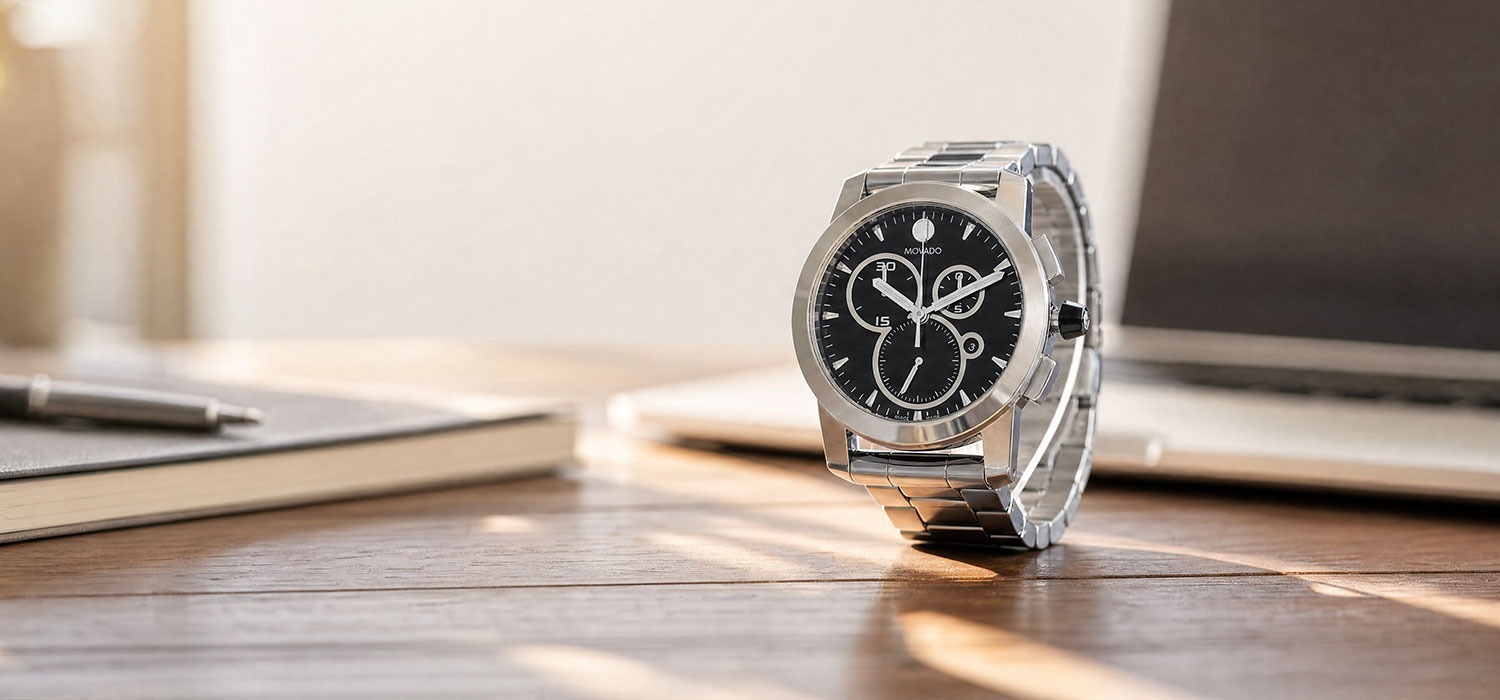
Quartz vs Mechanical Watches
Quartz and mechanical watches use different systems to measure time. The better choice depends on the buyer’s lifestyle and priorities.
|
Feature |
Quartz Watch |
Mechanical Watch |
|
Power source |
Battery or solar cell |
Wound mainspring |
|
Accuracy |
Usually more accurate |
Usually varies more |
|
Daily use |
No winding required |
May need winding or regular wear |
|
Maintenance |
Battery changes and inspections |
Periodic movement servicing |
|
Price |
Available across many budgets |
Often costs more to produce |
|
Main appeal |
Convenience and precision |
Traditional craftsmanship |
Mechanical watches appeal to buyers who enjoy gears, springs, winding, and traditional watchmaking. Neither type is universally better. Quartz offers convenience and quartz watch accuracy, while mechanical models provide a different ownership experience.
Why Quartz Watches Are So Accurate
Quartz watch accuracy comes from the stable frequency of the quartz crystal. Because the crystal vibrates thousands of times per second, it provides the circuit with a consistent reference for measuring time.
A standard quartz watch may gain or lose about 15 to 30 seconds per month, although results vary by movement. Some high-accuracy models differ by only a few seconds per year.
Temperature, battery condition, component age, and manufacturing tolerances may affect performance. Some luxury quartz watches use temperature compensation to maintain better precision in changing conditions.
This long-lasting accuracy makes them useful for professionals, students, travelers, and commuters.
Quartz Watch Battery: What You Should Know
A quartz watch battery typically lasts 2 to 5 years.
A basic three-hand quartz wrist watch often uses less power than a chronograph or digital model with alarms, lights, timers, or multiple displays.
When the quartz watch battery weakens, the watch may stop, lose time, or display a low-power warning. On some analog watches, the second hand begins jumping several seconds at a time.
A watch technician should usually handle battery replacement. Improper opening can scratch the case, damage the movement, or disturb the gasket that protects against moisture. Do not leave a dead battery in the watch, as leakage may damage internal parts.
Solar quartz watches use light to recharge an internal cell. They reduce the need for standard battery changes, but the rechargeable cell and seals may still need servicing.
Types of Quartz Watches
Quartz Analog Watches
A quartz analog watch uses hands and a traditional dial. It combines a classic appearance with battery-powered convenience and works well for business, formal, and everyday wear.
Digital Watches
Digital watches show time as numbers on an electronic display. They may include alarms, timers, calendars, backlights, and multiple time zones.
Solar Quartz Watches
Solar models convert natural or artificial light into energy stored in a rechargeable cell. They suit buyers who prefer fewer standard battery replacements.
Quartz Chronographs
Quartz chronographs include stopwatch functions controlled by pushers. They often have several subdials and a sportier appearance.
Dive, Dress, and Field Watches
Quartz dive watches may include rotating bezels, luminous markers, and stronger water resistance. Dress watches often use slim movements for thinner cases. Field watches focus on readability and durable construction.
Quartz Watches for Men
Quartz watches for men are available in business, sport, travel, casual, and formal styles. A slim quartz watch for men can fit beneath a shirt cuff, while a larger chronograph or dive watch creates a bolder appearance.
For work, look for a clear dial, neutral colors, and a leather strap or stainless steel bracelet. For sports or outdoor use, consider water resistance, luminous markings, durable construction, and an easy-to-read display.
A quartz watch for men can also be useful for travel because it does not require frequent winding. Before buying, compare case size, thickness, weight, strap width, water resistance, and dial layout.
Women's Quartz Watches
Women's quartz watches range from simple everyday pieces to dress watches, sport models, and jewelry-inspired designs.
Because quartz movements can be compact, manufacturers can produce thinner cases and smaller profiles. This suits buyers who prefer a lighter watch.
For daily wear, consider comfort, dial readability, strap material, and water resistance. Dressier models may include polished cases, mother-of-pearl dials, decorative markers, or fine bracelets.
Women's quartz watches also make practical gifts because they are easy to operate and available in many colors and finishes. Consider wrist size, metal preference, clothing style, and usual activities before choosing.
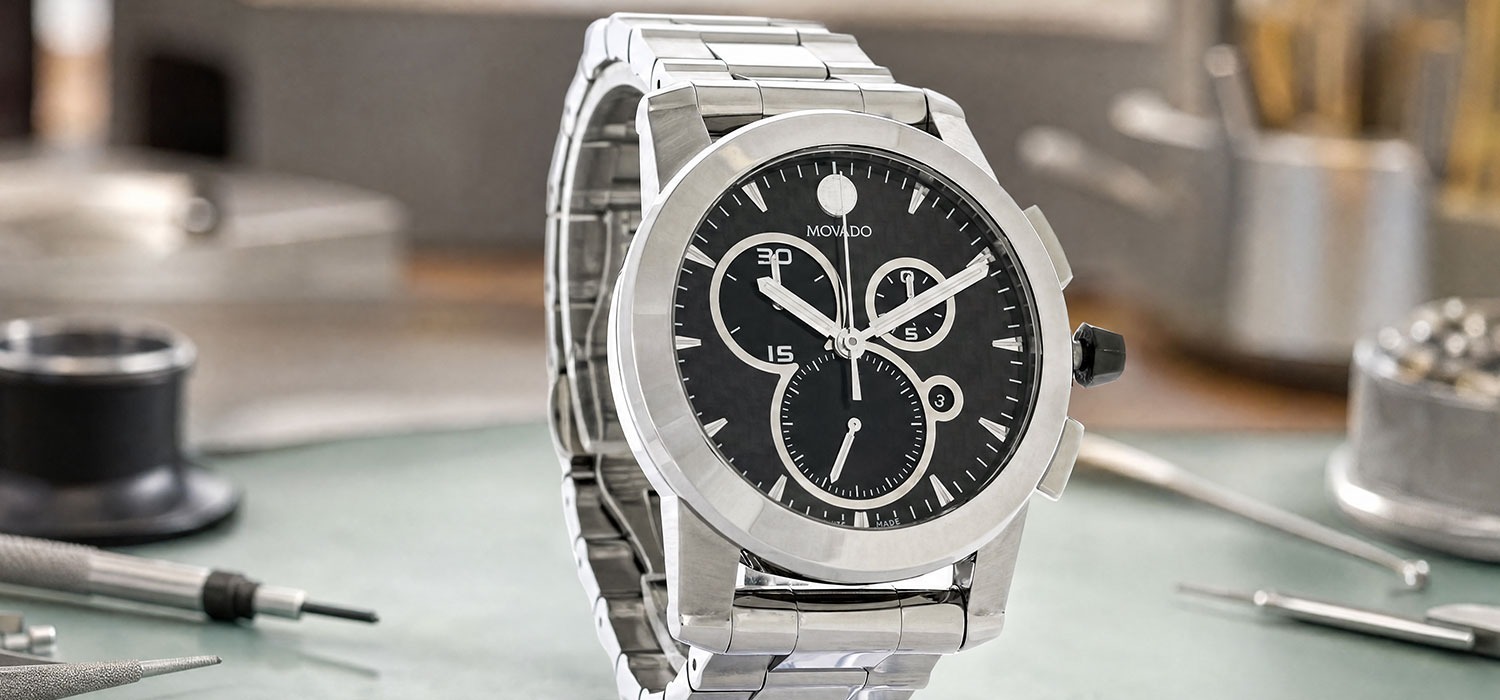
Affordable Quartz Watches vs Luxury Quartz Watches
Affordable quartz watches usually focus on dependable timekeeping, readable displays, and accessible pricing. They may use mineral crystal, standard quartz movements, stainless steel or plated cases, and basic water resistance.
Luxury quartz watches may include sapphire crystal, precious metals, high-accuracy movements, better bracelets, fine leather straps, and more detailed finishing. Some also include perpetual calendars, solar charging, or temperature compensation.
The movement is only one part of the price. Brand reputation, materials, case construction, finishing, warranty, and after-sales support also matter.
Choose affordable quartz watches when price, accuracy, and convenience are the main priorities. Consider luxury quartz watches when materials, finishing, brand heritage, and ownership support matter just as much.
How to Care for a Quartz Watch
Quartz watches need less attention than many mechanical models, but they still require routine care.
Replace the battery when the watch stops or shows a low-power warning. Avoid leaving a dead battery in the case, as leakage can damage the movement.
Clean the case and bracelet using a microfiber cloth. Use products suitable for the watch’s material, and avoid soaking leather straps.
Water resistance can weaken as seals age. Ask a technician to inspect the gaskets after battery replacement or before regular swimming.
Store the watch in a dry place away from excessive heat, strong chemicals, and powerful magnetic sources. Seek help if moisture appears under the crystal, the hands move irregularly, or the watch repeatedly drains the battery.
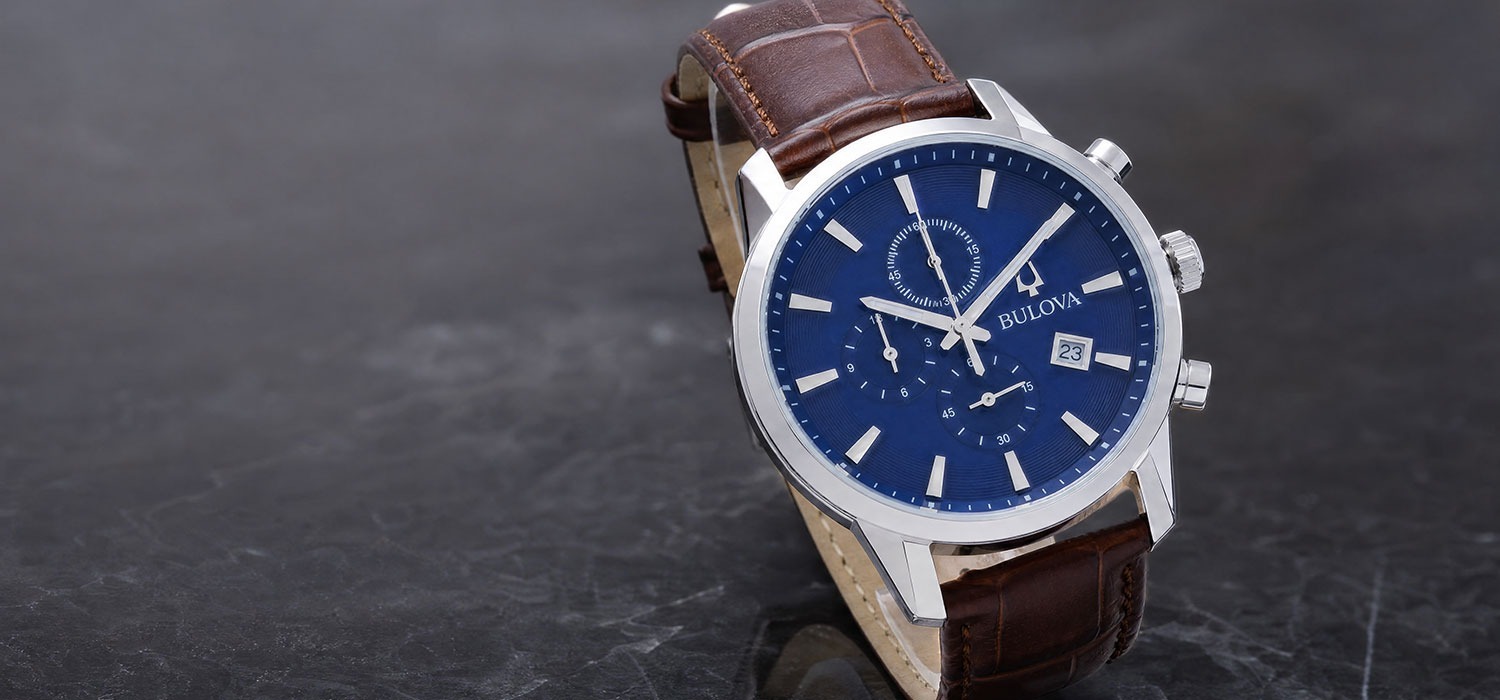
Are Quartz Watches Right for You?
Quartz watches are a strong choice for buyers who value precision, convenience, a broad range of style options, and low maintenance.
Daily commuters, professionals, students, travelers, and gift buyers often prefer quartz watches because they are ready to wear without winding. It also works well for people who rotate several watches because it can continue running while stored.
Choose quartz when you want dependable timekeeping and little daily attention. Consider a mechanical watch when traditional construction, hand winding, or watchmaking heritage is central to the purchase.
Before deciding, compare budget, case size, water resistance, battery life, features, materials, and warranty coverage.
Frequently Asked Questions
1. What is a quartz watch?
A quartz watch is a battery-powered watch regulated by a vibrating quartz crystal. The movement converts those vibrations into regular time signals.
2. How does a quartz watch movement work?
The battery powers the quartz crystal, the circuit counts its vibrations, and a motor or digital display shows the time.
3. How accurate are quartz watches?
Most standard quartz watches vary by around 15 to 30 seconds per month. Higher-accuracy models may vary by only a few seconds per year.
4. How long does a quartz watch battery last?
A typical battery lasts two to five years, depending on the movement and features.
5. Do quartz watches need winding?
No. Standard quartz watches run on battery power and do not require winding.
6. Are quartz watches better than mechanical watches?
Quartz watches are usually more accurate and easier to maintain. Mechanical watches may appeal more to buyers interested in traditional watchmaking.
7. Are luxury quartz watches worth buying?
They can be when the buyer values premium materials, fine finishing, brand heritage, precise movements, and warranty support.
8. Can a quartz watch last for decades?
Yes. A well-made quartz watch can last for decades with prompt battery changes and proper servicing.
9. What is the difference between analog and digital quartz watches?
An analog model displays time with hands, while a digital watch uses numbers on an electronic screen.
Find Authentic Quartz Watches at Inventory Adjusters
Quartz watches combine reliable timekeeping, accuracy, low maintenance, and a wide choice of styles. They are available in dress, sport, dive, casual, men's, and women's designs across many price levels.
Understanding movement type, battery life, water resistance, materials, and functions makes comparison easier. Browse authentic quartz watches at Inventory Adjusters and compare brands, features, styles, and prices to find a model suited to your wrist, routine, and budget.
Newest Guide & Blog Updates

Sunburst, Matte, and Textured Watch Dials Explained
A watch dial is one of the first details that captures attention. Beyond displaying the time, the d...

How Dial Color and Design Affect a Watch's Style
A watch dial is one of the first things you notice, and its color can change how the entire watch l...

Watch Dial Types Explained: What Should You Know Before Buying?
Every time you look at a watch, the dial is the first detail you notice. Often called the watch fac...

Is Rado a Good Watch Brand? What Sets It Apart From Other Swiss Names
When people begin searching for a Swiss watch, they often compare brands based on heritage, craftsm...

How to Buy Watches Wholesale: A Step-by-Step Guide for Resellers and Retailers
Buying watches wholesale may appear straightforward. Find a supplier, purchase inventory at a lower...

Movado Bold vs. Museum Classic vs. Series 800: Which Collection Actually Fits You?
Choosing a Movado watch can become surprisingly complicated once you compare collections side by si...