
How to Tell If a Watch Has Sapphire Crystal
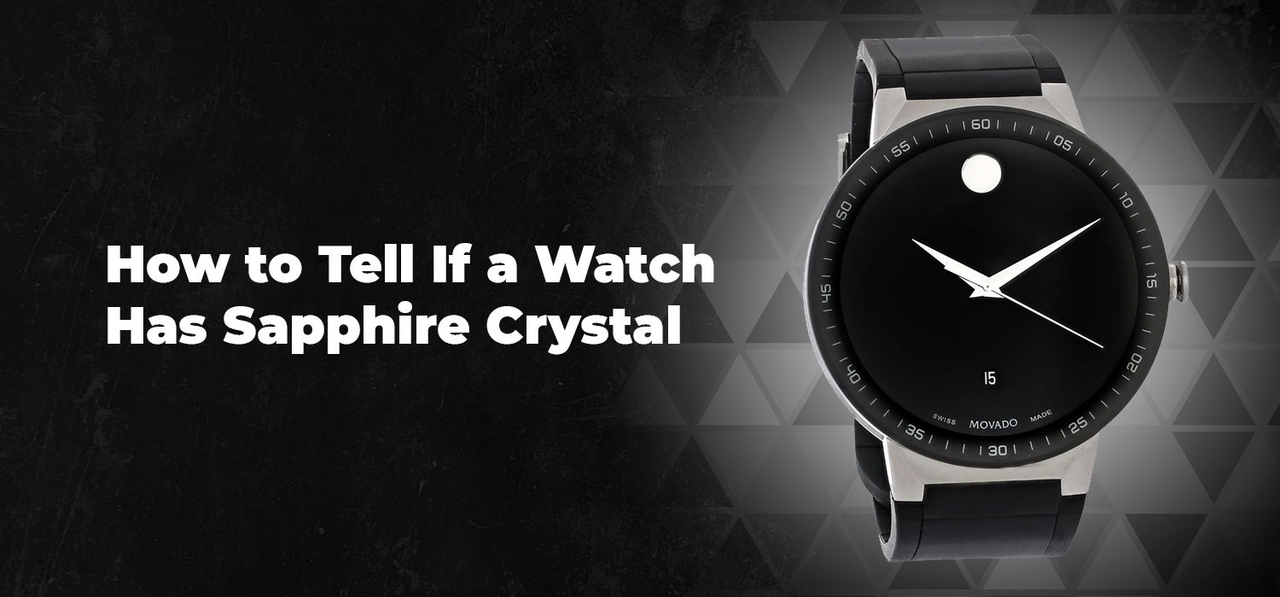
If you are wondering how to tell if a watch has a sapphire crystal, online advice can be confusing. Water tests, tap tests, temperature checks, and flashlight tricks are often presented as definite answers, but most only provide clues.
The safest and most reliable approach is simpler: identify the exact watch reference, check the manufacturer's specifications, and use non-damaging tests only as supporting evidence. For expensive or pre-owned watches, professional verification can provide additional confidence.
How Can You Tell If a Watch Has a Sapphire Crystal?
The most reliable way to confirm whether a watch is a sapphire crystal watch is to check the manufacturer's specifications for the exact model or reference number.
If the official specifications state "sapphire crystal," that is stronger evidence than any home test. Water droplets, reflections, sound, and temperature can sometimes suggest a material, but they are not conclusive.
Sapphire is a very hard synthetic crystal, mineral crystal is hardened glass, and acrylic is a plastic material. These crystal types can sometimes look similar, which is why documentation should come before visual guessing.
Start With the Manufacturer or Model Specifications
When trying to determine whether a watch has a sapphire crystal, start with the watch's reference number.
1. Find the Model or Reference Number
Look for the reference on:
- The case back
- Warranty card
- Original box label
- Sales paperwork
- Retailer listing
Once you have the reference, search for that exact model rather than relying on the watch's collection name alone.
2. Check the Brand's Official Specifications
Look for the watch on the manufacturer's website or in the original manual.
The crystal specification may use wording such as:
- Sapphire crystal
- Mineral crystal
- Hardlex
- Acrylic
- Hesalite
- Sapphire-coated mineral crystal
Pay close attention to the wording.
The term "Sapphire crystal" usually refers to solid synthetic sapphire. "Sapphire-coated" means a different material, commonly mineral glass, has been given a thin sapphire-based surface layer.
Hardlex, commonly associated with Seiko, is a hardened mineral crystal rather than sapphire.
3. Compare the Retailer's Specification
A reputable retailer should normally list the watch crystal material in the product specifications.
If the wording is vague, ask the seller to confirm the crystal material in writing.
Documentation can also help later if you resell the watch. If you are buying online, it is useful to know what should come in the box with a watch, especially when checking model information and paperwork.
Visual Clues — and What They Can and Cannot Tell You

Can you identify sapphire just by looking at it? Usually not with certainty.
A sapphire crystal often remains clearer and less scratched than mineral or acrylic, but scratch condition alone cannot prove the material.
Some sapphire watches also have anti-reflective coatings that create blue or purple reflections under certain light. However, this is only a clue. Anti-reflective coatings can also be applied to mineral crystals, and some sapphire crystals exhibit little or no visible color reflection.
The shape of the crystal is not proof either. Flat, domed, curved, or boxed crystals can be made from different materials.
Price can also provide context, but it should never be treated as verification. Watches in the same price range may use different crystal materials.
Common At-Home Sapphire Crystal Tests: Which Are Reliable?
Most home methods are best treated as indicative only.
|
Method |
What It May Suggest |
Limitation |
Safe? |
Confidence |
|
Water-drop test |
Water may bead more tightly on sapphire |
Oils, dirt, and coatings affect the beading |
Yes |
Indicative only |
|
Tap test |
Different crystals may sound different |
Sources disagree on which pitch indicates sapphire |
Yes |
Low |
|
Temperature test |
Glass-like materials may feel cooler than acrylic |
Does not reliably separate mineral from sapphire |
Yes |
Indicative only |
|
Flashlight/reflection test |
Blue or purple reflection may indicate AR coating |
AR coating does not prove sapphire |
Yes |
Indicative only |
|
Price |
More expensive watches may be more likely to use sapphire |
Many exceptions exist |
Yes |
Rough guide |
|
"Swiss Made" label |
Sometimes assumed to imply sapphire |
It says nothing about the crystal material |
Yes |
Unreliable |
Does the Water-Drop Test Work?
The sapphire crystal water test may offer a clue, but it does not prove the material.
Water may bead differently depending on surface energy, coatings, fingerprints, cleaning products, and oils. A coated mineral crystal can sometimes behave similarly to sapphire.
What About the Tap Test?
The tap test is especially unreliable because published advice contradicts itself.
Some sources claim sapphire has a lower, more solid sound. Others say it produces a sharper, higher tone. Crystal thickness and case construction can also change the sound.
That makes the test unsuitable for confirming the presence of sapphire.
Tests That Could Damage the Watch
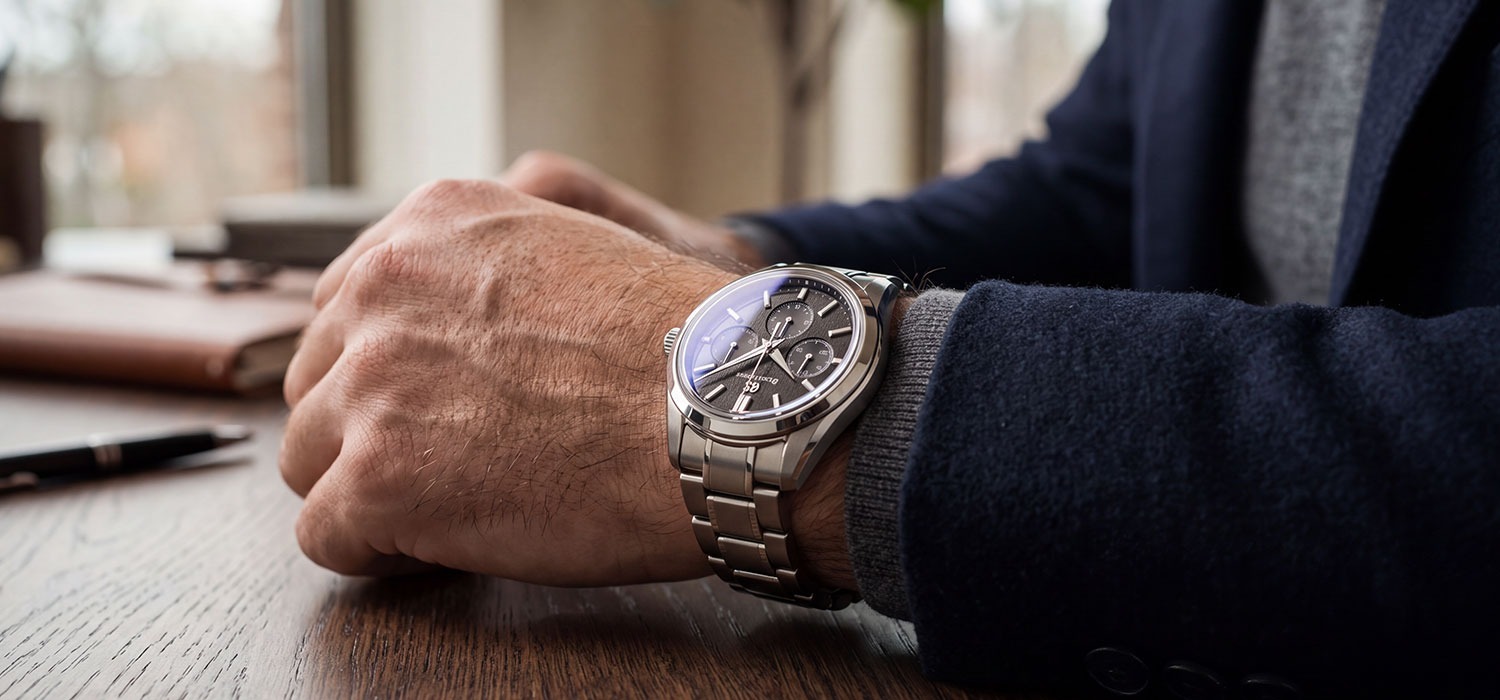
Avoid any sapphire crystal scratch test involving keys, knives, sandpaper, bricks, or other hard objects.
Mineral and acrylic crystals can be permanently scratched, and even a sapphire crystal may have an anti-reflective coating that can be marked.
Sapphire is highly scratch-resistant, but that does not mean it is impossible to scratch. Diamond and certain extremely hard materials can mark sapphire.
Hardness picks and diamond-testing equipment can provide better material identification in the hands of a trained operator, but they are not ideal DIY tools. Improper use may damage coatings or other surfaces.
If you are considering a destructive test, skip it. Check the specification or ask a watchmaker instead.
How to Verify Sapphire Crystal on a Pre-Owned Watch
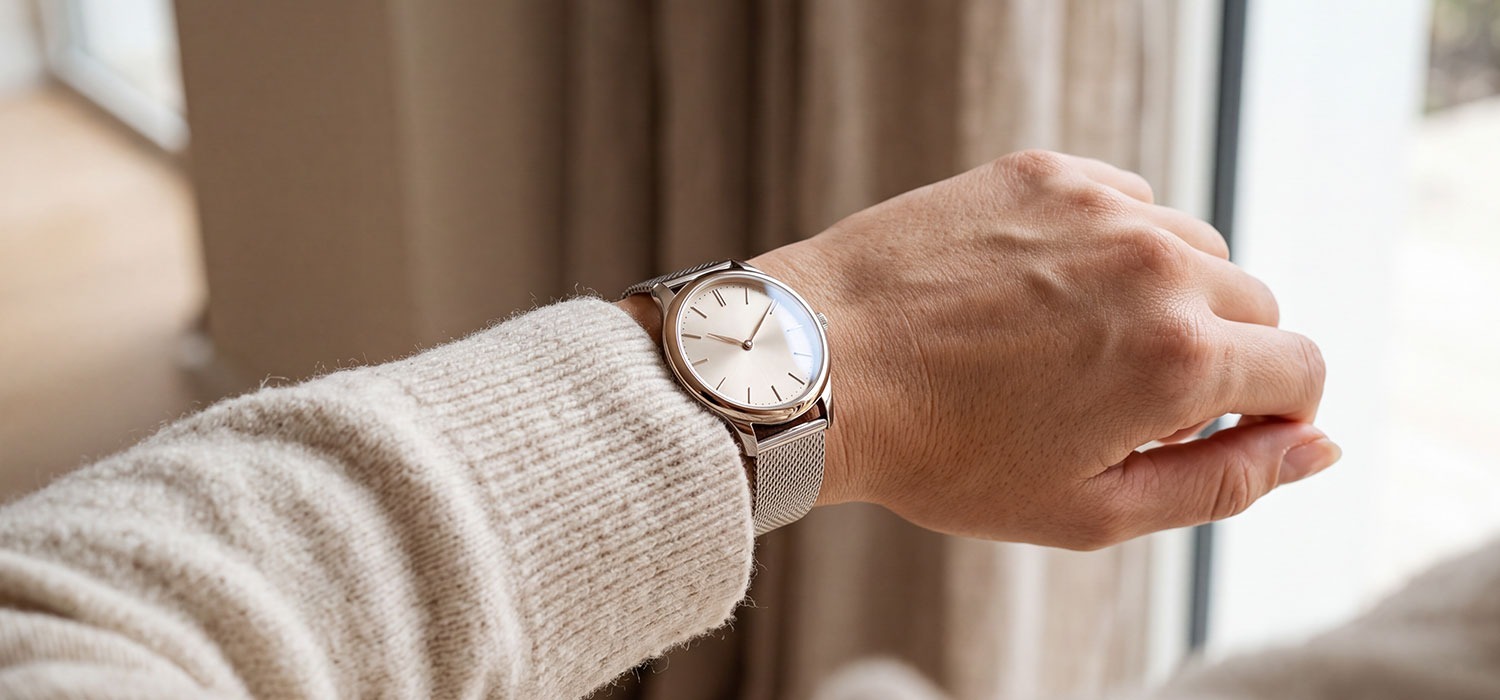
Pre-owned watches require an extra step because the crystal may have been replaced during previous servicing.
A replacement crystal does not always use the same material as the original factory specification.
When buying pre-owned:
- Check the official specification for the exact reference
- Ask for service history
- Review original paperwork if available
- Ask the seller to confirm the crystal material
- Look for signs that the crystal may have been replaced
- Consider professional inspection for higher-value purchases
If the watch was serviced, documentation can help determine whether the crystal was replaced and what material it was made of.
It is also worth reviewing how to verify a watch's authenticity when buying online, as well as guidance for choosing a pre-owned watch.
For shoppers comparing condition labels, the guide to unworn, new old stock, and display model watches can also help clarify listing terminology.
When Professional Verification Makes Sense
Professional verification is worth considering when:
- The watch is expensive
- It is pre-owned and has limited paperwork
- The seller's description is unclear
- Crystal material affects your buying decision
- The watch may have been serviced or modified
A watchmaker or jeweler can inspect the crystal and, where appropriate, use professional testing methods.
For watches that need broader inspection, watch repair and inspection may also help determine condition and replacement history.
Sapphire Crystal Identification Checklist
Use this quick checklist when verifying a watch:
- Find the model or reference number.
- Check the manufacturer's official specification.
- Confirm the wording says "sapphire crystal."
- Compare the seller's specification.
- Ask for confirmation if the listing is unclear.
- Treat home tests as supporting clues only.
- Use professional verification when the value justifies it.
It also helps to know common listing terms:
Sapphire glass: Usually refers to sapphire crystal.
Sapphire-coated: A typical mineral crystal with a sapphire-based surface treatment.
Hardlex: Hardened mineral crystal, not sapphire.
Mineral crystal: Hardened glass.
Acrylic, Hesalite, or resin: Plastic-based crystal materials.
Crystal collection: A word such as "Crystal" in a Bulova or Citizen collection name may refer to decorative accents on the watch, not the material covering the dial.
FAQs
1. Can a sapphire crystal be scratched?
Yes, although it is highly scratch-resistant. Diamond and some extremely hard materials can scratch sapphire, and surface coatings may also show marks.
2. Does the water-drop test prove a crystal is sapphire?
No. It is only an indicator because coatings, oils, dirt, and surface treatments affect how water behaves.
3. Is sapphire-coated the same as sapphire crystal?
No. Sapphire-coated usually refers to a crystal with a thin, hard coating rather than a solid sapphire crystal.
4. Does "Swiss Made" mean the watch has a sapphire crystal?
No. "Swiss Made" does not specify the crystal material. Always check the watch's official specifications.
5. Can a watchmaker tell what crystal a watch has?
Yes. A professional can inspect the watch and may use appropriate testing methods when visual inspection and documentation are not enough.
Final Check Before You Buy
The safest way to tell if a watch has a sapphire crystal is to verify the exact model specification first, use visual or at-home clues only as secondary evidence, and seek professional confirmation when needed. Avoid scratch tests that could damage the watch.
If you are shopping for your next timepiece, browse Inventory Adjusters' men's, women's, or pre-owned watches to compare styles and specifications before you buy.
Newest Guide & Blog Updates
How to Tell If a Watch Has Sapphire Crystal
If you are wondering how to tell if a watch has a sapphire crystal, online advice can be confusing....
Is Sapphire Crystal Worth Paying More For?
You are comparing two similar watches. One uses mineral glass, while the other has sapphire crystal...
Watch Crystal Types Explained: Sapphire, Mineral, and Acrylic
A watch crystal does more than protect the dial. It influences how your watch looks, how easily it...
Why Does an Automatic Watch Stop When You Don't Wear It?
An automatic watch stops when the energy stored inside its mainspring runs out. Unlike a battery-po...

How Long Can an Automatic Watch Run Without Being Worn?
Most automatic watches run for approximately 38–42 hours without being worn, or roughly a day and a...
What Is Power Reserve on a Mechanical Watch?
When shopping for a mechanical watch, you may notice specifications such as "38-hour power reserve"...