
How to Care for Water-Resistant Watches: Everything You Need to Know
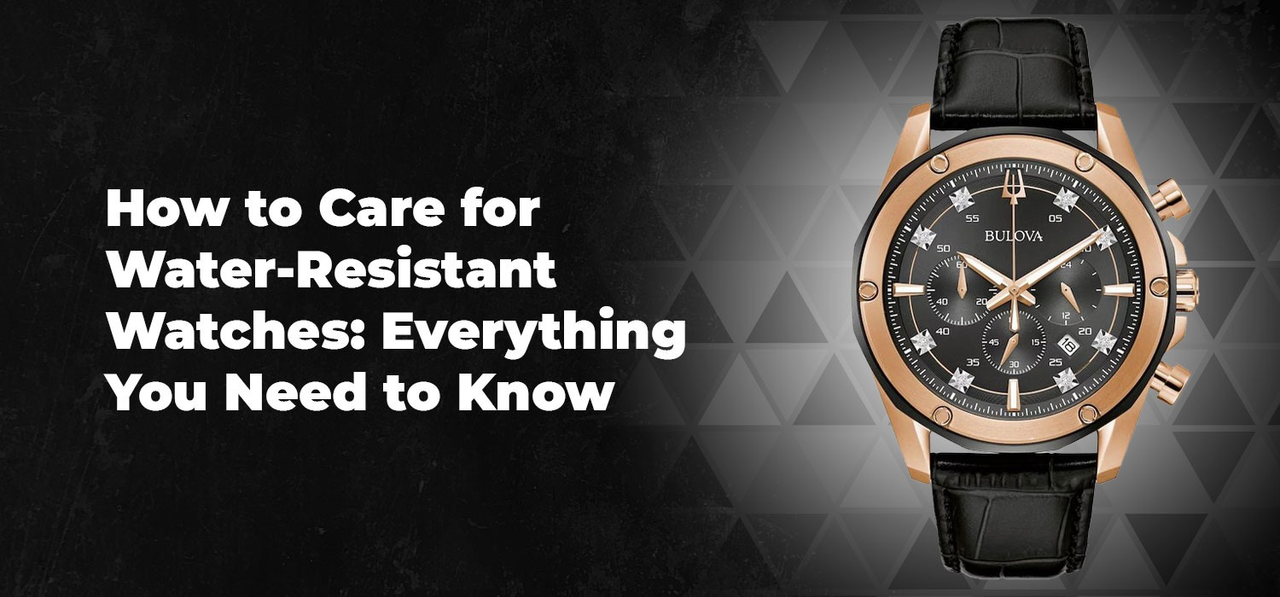
Water-resistant watches are designed to handle different levels of moisture exposure, from rain and accidental splashes to swimming or diving. However, the rating shown on a dial or case back does not mean a watch can safely handle every type of water exposure forever.
Understanding watch water resistance can help you choose a timepiece that fits your lifestyle and prevents moisture damage. The rating, case construction, crown, gaskets, and regular care all play a role in protecting the internal movement.
This guide explains water resistance levels, common misconceptions, maintenance tips, pressure testing, and how to compare different types of watches before buying.
What Does It Mean When a Watch Is Water Resistant?
A water-resistant watch is designed to resist moisture under specific test conditions and pressure levels. The meaning of a water-resistant watch is often misunderstood because a rating such as 30m, 50m, or 100m may sound like a direct statement about how deep you can take the watch.
So, what does it mean when a watch is water-resistant? It means the case and sealing components are designed to limit water entry under defined conditions. A water resistance watch rating may appear in meters, ATM, or bars and generally refers to tested pressure resistance.
Real-world use differs from a controlled pressure test. Heat, impacts, a loose crown, worn gaskets, and normal aging can reduce a watch's water resistance. Seals may harden or lose flexibility over time.
For this reason, water resistance should be treated as a maintained feature rather than permanent protection. Owners who regularly swim, travel, or work around water should pay attention to the watch's rating and condition.
How Watch Water Resistance Works
Water resistance depends on several components working together to protect the internal movement.
The watch mechanism sits inside the case and controls timekeeping. Mechanical watches use gears, springs, and other moving components, while quartz watches contain electronic parts and a battery. Moisture can cause corrosion and performance problems in either type.
The crystal protects the front of the watch, while the case back seals the rear. Gaskets are commonly fitted around the crown, case back, crystal, and pushers to help prevent moisture ingress.
The crown is especially important because it connects to the parts used to set the time and date. A screw-down crown creates a more secure closure by threading into the case.
If a gasket becomes damaged or the crown is not secured, moisture may enter. The relationship between the watch mechanism, crown, crystal, case, and seals explains why correct assembly and periodic maintenance matter.
Understanding Water Resistance Levels
Water resistance levels provide a general guide to the type of moisture exposure a watch can withstand. Always check the manufacturer's instructions for the specific model.
|
Rating |
Generally Suitable For |
|
30m water-resistant watch |
Rain and light splashes |
|
50m water-resistant watch |
Every day, moisture; check guidance for water activities |
|
100m water-resistant watch |
Swimming and often snorkeling |
|
200m dive watch |
Recreational diving is designed for diving |
These water resistance levels are based on controlled testing. Movement, temperature changes, impacts, and aging seals can create different conditions during real-world use.
Water Resistant vs Waterproof Watch
The difference between a water-resistant and a waterproof watch is mainly about limits. “Waterproof” suggests that water cannot enter under any circumstances. Water resistance describes protection within defined conditions and pressure limits.
This is why the watch industry generally uses the term “water resistant.” Standardized tests can define water-resistance claims, while watches designed for diving may need to meet additional requirements for their intended use.
A common misconception is that a 100m rating means you can automatically wear a watch 100 meters underwater during any activity. The depth marking reflects pressure resistance under test conditions, but the watch's construction, purpose, and current condition still matter.
The water-resistant vs waterproof watch distinction is even more important with older watches. Worn gaskets, cracked crystals, loose crowns, or poorly resealed case backs may reduce protection.
Never assume a watch has permanent protection simply because a water-resistance rating appears on the case.
How to Care for Water-Resistant Watches
Proper care can help water-resistant watches maintain their protective qualities.
After swimming in salt water, rinse a suitable water-rated watch with fresh water according to the manufacturer's instructions. Salt can collect around the case, crown, and bracelet. Chlorinated pool water should also be removed after use.
Dry the watch thoroughly with a soft cloth. Pay attention to the spaces between bracelet links and around the case.
Avoid hot showers, saunas, and steam rooms unless the manufacturer approves those conditions. Heat and rapid temperature changes may affect sealing materials.
Always keep the crown secured before exposure to water. If your watch has a screw-down crown, make sure it is properly screwed into position. Avoid pressing chronograph pushers underwater unless the watch is specifically designed for underwater button use.
Clean the strap based on its material. Metal, rubber, synthetic, and leather straps have different maintenance requirements. Leather generally requires greater caution around moisture.
Finally, store the watch in a clean, dry place and arrange pressure testing when frequent water exposure is part of your routine.
Common Mistakes That Damage Water Resistance
Many water-resistance problems start with everyday habits rather than deep-water activities.
Opening or adjusting the crown while a watch is wet may create a path for moisture to enter. Pressing pushers underwater can cause similar problems when the controls are not designed for underwater use.
Another common mistake is ignoring worn gaskets. These small sealing components can deteriorate through age, heat, and normal wear.
Battery replacement also requires attention. Opening a quartz watch disturbs the case back and its sealing system. Proper resealing and pressure testing may be important when the watch is frequently exposed to water.
Extreme temperature changes and physical impacts can also damage seals, crystals, crowns, or the case.
Do not delay servicing after visible damage or condensation appears. Continued exposure to pools, oceans, or humid conditions may allow additional moisture to enter the watch.
Choosing the Right Water Resistance Rating
Choose a rating based on your regular activities rather than simply selecting the highest number.
For office wear, commuting, and everyday use, a 30m water-resistant watch may be adequate for rain and accidental splashes. It is not a suitable choice for regular swimming.
A 50m water-resistant watch offers more protection, but model-specific instructions should be checked before planned water activities.
For frequent swimmers and travelers who spend considerable time around water, a 100m water-resistant watch is often a practical option. It generally provides greater flexibility for swimming and may support snorkeling.
Divers should choose a watch specifically intended for diving. A 200m dive watch may be suitable for recreational scuba use when its design and manufacturer's instructions support diving.
Matching the rating to your lifestyle helps you choose a watch based on real use rather than a depth marking alone.
Types of Water-Resistant Watches
Different types of watches combine style, function, and moisture protection in different ways.
Dress watches prioritize refined styling and may have lower ratings, making them better suited to office settings and formal events.
Sports watches are often made for active use and may feature durable cases, easy-to-read dials, and moisture-friendly straps.
Dive watches are designed around aquatic activities. Depending on the model, they may include higher water resistance, secure crowns, clear dials, and a way to track elapsed time.
Field watches generally prioritize readability and everyday durability, though their ratings vary.
Smartwatches may support swimming and water-based fitness tracking when approved for those activities.
Luxury watches can fall into dress, sports, or dive categories.
Comparing these types of watches by design, rating, and intended activity can help you find a model suited to your routine.
Water Resistant Watches for Men
Water-resistant watches for men range from business watches to sports models and professional dive watches. The right option depends on where the watch will be worn and how often it will come into contact with water.
For business use, basic moisture protection may be enough for commuting and daily wear. Frequent travelers may prefer a higher rating for changing weather, pools, and outdoor activities.
A water-resistant men's watch with a 100m rating can be practical for active users who swim regularly. Outdoor buyers may also consider case durability, crown construction, dial readability, and strap material.
Fitness users should check comfort and approved water activities. Professionals who regularly work around water may require stronger protection.
When comparing water-resistant watches for men, look beyond dial color and case size. Water rating, intended use, construction, and service requirements should influence your decision.
Best Water-Resistant Smart Watches
The best water-resistant smartwatches are models that match your activities and clearly state which water activities they support.
Swimmers may prioritize lap tracking, workout recording, heart-rate functions, and a rating approved for pool use. Outdoor users may look for GPS, activity tracking, and cases suited to frequent exposure to moisture.
Water resistance does not eliminate the need for proper smartwatch care. Manufacturers may restrict scuba diving, high-speed water sports, or exposure to soap and other chemicals. Always follow the device's stated limits.
Charging also requires care. Make sure the smartwatch and its charging contacts are clean and dry before connecting the charger.
When comparing the best water-resistant smart watches, focus on approved activities rather than the rating alone. Swim tracking does not automatically make a device suitable for diving or every water sport.
Top Water-Resistant Watch Brands
Several established water-resistant watch brands offer options for everyday wear, sports, travel, and diving. Inventory Adjusters carries watches from names such as Citizen, Seiko, and Bulova, with individual models and availability varying over time.
Citizen offers watches across several water-resistance categories, including professional diver models. Buyers can compare everyday styles with watches intended for more demanding aquatic use.
Seiko offers sports, dive, dress, and everyday watches. Water resistance differs by model, so review the individual reference rather than relying only on the brand name.
Bulova also offers water-resistant models across a range of styles, including men's quartz and chronograph watches.
Luminox is often considered for outdoor and dive-oriented watch styles, while Panerai is associated with luxury sports and diving-inspired timepieces.
When comparing water-resistant watch brands, review the exact rating, intended use, crown design, and manufacturer guidance. Two watches from the same brand may provide very different levels of water protection.
When Should You Have a Watch Pressure Tested?
A pressure test checks whether the watch case maintains an appropriate seal during testing.
For a watch regularly used in water, consider testing it every 1 to 2 years or according to the manufacturer's service schedule. Regular checks are particularly important when you rely on the watch while swimming or diving.
Testing may also be appropriate after battery replacement or other service work that requires opening the case. Dive watch owners may want a professional check before a diving holiday if the condition of the seals is uncertain.
Significant impacts are another reason to arrange testing, especially if the crown, crystal, or case has been struck.
If condensation or fogging appears under the crystal, do not wait for a routine pressure test. Moisture inside the case may require prompt professional attention.
Signs Your Watch May No Longer Be Water Resistant
Condensation under the crystal is one of the clearest signs that moisture may have entered the case. Persistent fogging should never be considered normal.
A loose or damaged crown can also affect the seal. If the crown no longer sits or operates as expected, avoid further water exposure until the watch has been inspected.
Cracks or chips in the crystal, visible case damage, and a poorly seated case back may also weaken water resistance.
Moisture may contribute to internal corrosion and eventually affect the watch mechanism. Inconsistent timekeeping or performance changes following water exposure should be checked.
When warning signs appear, keep the watch dry and arrange professional servicing. Delaying an inspection may allow moisture or humidity to remain inside the case, causing further internal damage.
Frequently Asked Questions
1. What does it mean when a watch is water-resistant
It means the watch is designed to resist water entry under specified conditions and pressure levels. The rating has limits, and sealing performance may change as components age.
2. Is a 30m water-resistant watch suitable for swimming?
No. A 30m water-resistant watch is generally intended for rain, light splashes, and everyday moisture rather than swimming or submersion.
3. Can I shower with a 50m water-resistant watch?
Check the manufacturer's instructions first. Hot water, steam, soap, and temperature changes can create conditions that differ from those in standard water-resistance testing.
4. Is a 100m water-resistant watch good for snorkeling?
A 100m rating may be suitable for snorkeling. However, approved activities depend on the individual's watch and the manufacturer's instructions.
5. What is the difference between water-resistant and waterproof?
Water-resistant means a watch resists moisture within defined limits. Waterproof suggests unlimited protection, which is why water-resistant is the more accurate term for watches.
6. How often should a water-resistant watch be pressure tested?
Consider testing every one to two years when the watch regularly enters water. Testing may also be appropriate after case opening, repairs, or significant impacts.
7. Can water resistance wear off over time?
Yes. Gaskets can age, harden, or become damaged, while impacts and servicing may also affect the seals.
8. Which water resistance level is best for everyday use?
The right rating depends on your routine. Lower ratings may suit office wear and rain, while 100m is often more practical for regular swimmers and active users.
9. Are water-resistant smart watches suitable for swimming?
Some are suitable for swimming, but approved activities vary by model. Check the manufacturer's water-use guidance before entering a pool or open water.
10. How do I maintain a water-resistant watch?
Keep the crown secured, rinse suitable watches after exposure to saltwater, and dry them carefully. Arrange seal inspections and pressure testing when regular water exposure is expected.
Protect Your Watch by Understanding Its Water Resistance
Water-resistant watches can suit many lifestyles, but proper use starts with understanding your timepiece's rating and intended purpose. Learn the water resistance levels, choose a rating that matches your activities, and never assume a depth marking provides permanent protection.
Regular care, secure crowns, healthy gaskets, and periodic pressure testing can help preserve watch water resistance. Whether you need an everyday timepiece, a water-resistant men's watch, or a dive-oriented model, review the exact rating and intended use before buying.
Browse the authentic water-resistant watches available through Inventory Adjusters to compare trusted brands, styles, and water-resistance ratings for your daily routine.
Newest Guide & Blog Updates

Sunburst, Matte, and Textured Watch Dials Explained
A watch dial is one of the first details that captures attention. Beyond displaying the time, the d...
How Dial Color and Design Affect a Watch's Style
A watch dial is one of the first things you notice, and its color can change how the entire watch l...
Watch Dial Types Explained: What Should You Know Before Buying?
Every time you look at a watch, the dial is the first detail you notice. Often called the watch fac...

Is Rado a Good Watch Brand? What Sets It Apart From Other Swiss Names
When people begin searching for a Swiss watch, they often compare brands based on heritage, craftsm...
How to Buy Watches Wholesale: A Step-by-Step Guide for Resellers and Retailers
Buying watches wholesale may appear straightforward. Find a supplier, purchase inventory at a lower...

Movado Bold vs. Museum Classic vs. Series 800: Which Collection Actually Fits You?
Choosing a Movado watch can become surprisingly complicated once you compare collections side by si...