
Is Rado a Good Watch Brand? What Sets It Apart From Other Swiss Names
When people begin searching for a Swiss watch, they often compare brands based on heritage, craftsmanship, movement technology, design, and long-term value. Some buyers look for traditional watchmaking with centuries of history, while others prefer modern innovation and distinctive design. Rado often attracts attention because it follows a different path from many established Swiss names.
The question “Is Rado a good watch brand?” does not have a simple yes-or-no answer. The better question is whether Rado’s approach matches what a buyer wants from a timepiece.
Rado is a genuine Swiss watch brand with a long history of innovation, especially in the development and use of advanced materials. Rather than building its identity around traditional watchmaking alone, Rado has become recognized for high-tech ceramic, contemporary case designs, and lightweight comfort. The brand has created watches that stand apart visually while offering practical benefits for everyday wear.
For someone seeking a classic watch with familiar styling and strong recognition among the general public, another Swiss brand may be a better match. However, for buyers who appreciate unique materials, modern aesthetics, and a watch with a clear design identity, Rado offers something genuinely different.
Where Rado Comes From and Why Materials Are the Whole Story
Rado’s story began in 1917 in Lengnau, Switzerland, where it was founded as Schlup & Co. Unlike many watch brands that began by producing complete timepieces, the company initially focused on manufacturing watch movements. This foundation gave the brand technical knowledge that would later support its transformation into an innovative watch manufacturer.
The Rado name was introduced in 1957 with the Golden Horse collection. This early model helped establish the brand’s reputation and introduced design elements that reflected the company’s interest in creating watches with practical advantages.
A major turning point came in 1962 with the introduction of the DiaStar. At a time when most watches relied heavily on traditional metals, Rado introduced a watch featuring hardmetal, a material known for its exceptional scratch resistance. This approach challenged conventional ideas about what a watch case could be made from.
The same year, Rado introduced the Captain Cook, a dive watch that became an important part of the brand’s history. Although Rado would later become best known for ceramic technology, the Captain Cook demonstrated that the company also had experience creating purpose-driven watches with strong design character.
The next major milestone arrived in 1986 with the introduction of the Rado Integral. This watch is widely recognized as one of the first industrially produced high-tech ceramic watches. The launch was a defining moment, establishing the material-focused philosophy that continues to shape Rado today.
High-tech ceramic became the foundation of Rado’s identity. Unlike traditional stainless steel, ceramic offers excellent scratch resistance and a lightweight feel. These qualities make ceramic especially appealing to buyers who want a watch that maintains its appearance while remaining comfortable during extended wear.
Rado also uses Ceramos, a ceramic-metal composite material, in selected models. This combination allows the brand to create watches with unique properties and distinctive finishes.
However, not every Rado watch uses ceramic in the same way. Some collections focus more heavily on ceramic construction, while others use traditional materials or different combinations. Buyers should always review the specifications of an individual model before making assumptions about materials.
Beyond materials, Rado’s design history includes several recognizable elements. Vintage and modern references may feature details such as the anchor symbol associated with automatic watches and the seahorse symbol connected with water resistance. These details represent important parts of the brand’s visual heritage.
Rado’s identity has always been closely connected with innovation. Instead of following the traditional path of simply preserving classic designs, the brand has focused on developing new ways to create comfortable, durable, and visually distinctive watches.
What Makes Rado Different From Other Swiss Watchmakers?
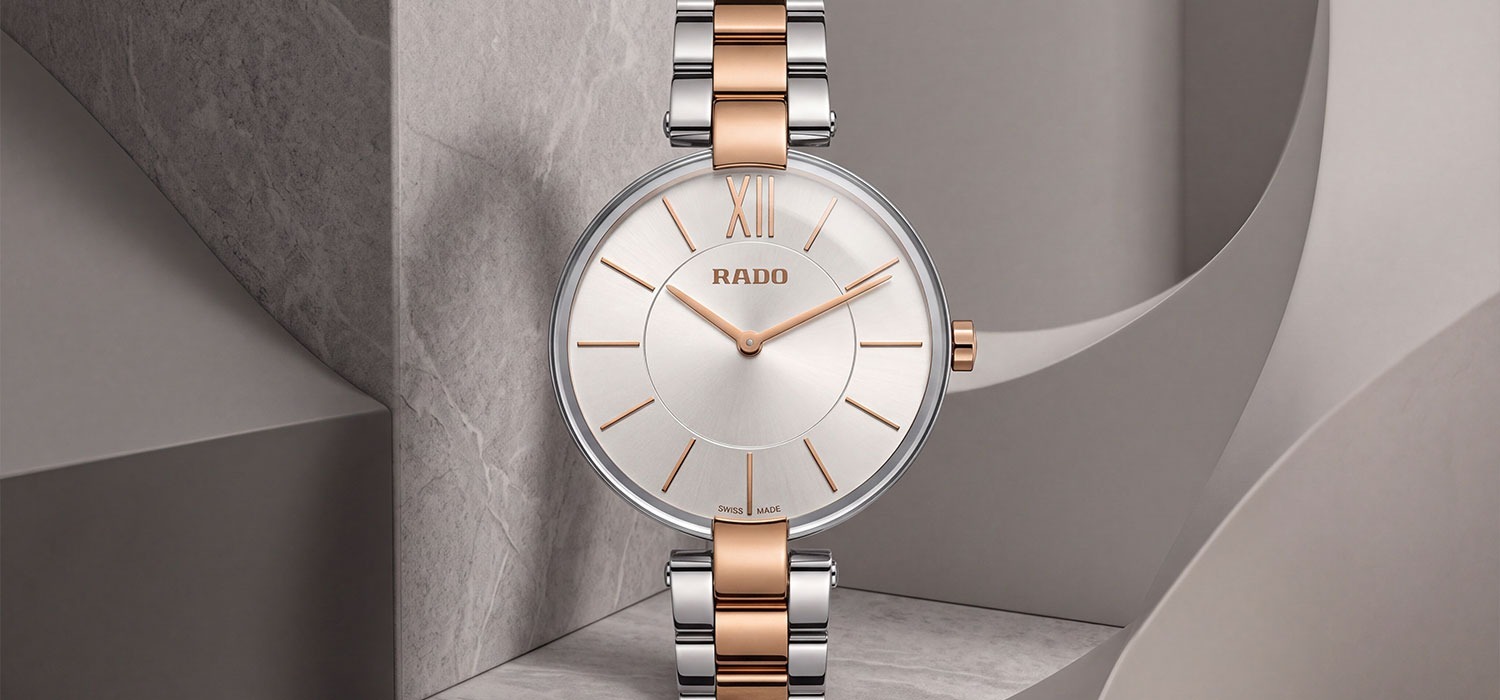
Rado is Swiss-made and part of the Swatch Group, one of the world's largest watch groups. However, its philosophy differs from many other Swiss watch brands.
Many traditional Swiss manufacturers build their reputation around mechanical complications, historical designs, hand-finishing, or recognizable luxury status. Rado approaches watchmaking from a materials and design perspective. Its focus is often on what the watch is made from and how those materials influence the wearing experience.
This difference is visible throughout the brand’s collections. Rado watches often feature unusual case shapes, ceramic construction, modern silhouettes, and minimalist designs. They are not intended to imitate traditional dress watches or classic tool watches. Instead, they create a separate category based on contemporary style.
The Swatch Group positions Rado within its high-end or affordable luxury segment. This places it alongside brands such as TAG Heuer, Frédérique Constant, and Maurice Lacroix. Understanding this positioning is important because Rado is not designed to compete directly with ultra-luxury brands such as Rolex or Patek Philippe.
The value of a Rado watch comes from different qualities. Instead of offering exclusivity through rarity alone, the brand provides advanced materials, distinctive aesthetics, and Swiss manufacturing expertise.
This makes Rado particularly appealing to buyers who want something different from the traditional luxury watch experience.
Rado’s Current Collections
Rado offers a wide range of collections, each representing a different aspect of the brand’s design philosophy.
Rado True
The True collection represents Rado’s modern ceramic expertise. Many models feature ceramic monobloc cases, creating a seamless appearance and a comfortable feel on the wrist. Some versions include open-heart dials, allowing the wearer to view elements of the movement through the dial.
The True collection reflects Rado’s ability to combine contemporary design with technical innovation. It is a strong choice for buyers who want a modern Swiss watch with a distinctive appearance.
Rado Ceramica
The Ceramica collection is one of the clearest expressions of Rado’s ceramic expertise. These watches typically feature ceramic cases and bracelets with clean, minimalist designs.
The collection demonstrates how Rado uses materials not only for performance but also as an important part of visual identity. The smooth surfaces and refined shapes create a futuristic appearance that remains closely associated with the brand.
Rado HyperChrome
The HyperChrome collection introduces a sportier side of Rado. These watches combine ceramic elements, plasma-treated finishes, and stronger case designs.
Available in both quartz and automatic versions, some HyperChrome models include chronograph functions. This collection appeals to buyers who want a more active style while maintaining Rado’s modern design language.
Rado Integral
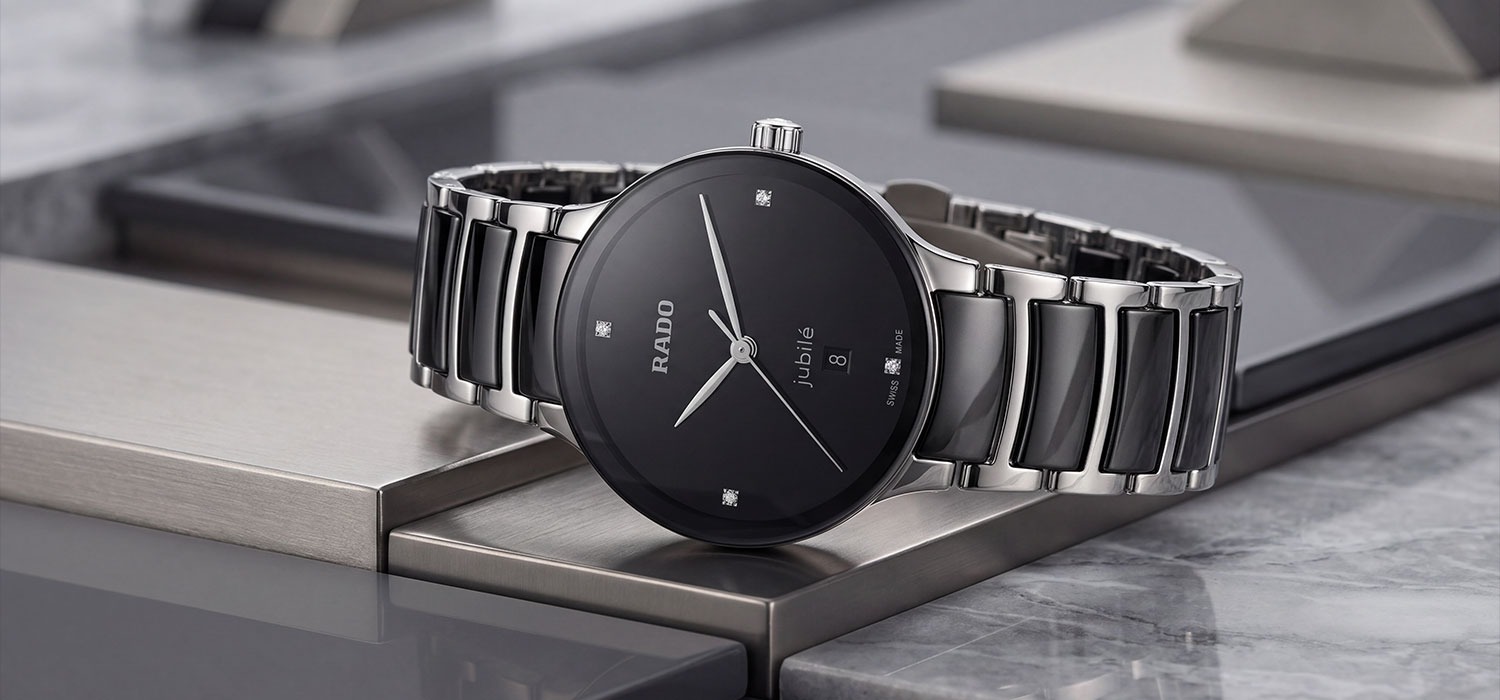
The Integral collection continues the legacy of the original high-tech ceramic concept. Its minimalist styling and integrated bracelet design connect directly to Rado’s history of material innovation.
Some models include diamond hour markers, adding a refined touch while maintaining the collection’s clean appearance.
Rado Coupole Classic
The Coupole Classic collection offers a more traditional interpretation of Rado design. Unlike some of the brand’s more experimental ceramic models, these watches feature classic round cases and elegant details.
Mother-of-pearl dial options provide a sophisticated appearance, making this collection suitable for buyers who prefer a more conventional dress-watch style.
Rado Centrix
The Centrix collection includes automatic models with three-hand movements and Nivachron hairspring technology. These watches combine traditional mechanical elements with modern technical improvements.
The collection often features elegant proportions and versatile styling, making it one of Rado’s more broadly appealing designs.
Rado D-Star
The D-Star collection highlights Rado’s use of Ceramos, a ceramic-metal composite material. It represents another example of the brand’s commitment to experimenting with materials.
Rado Captain Cook
The Captain Cook collection connects modern Rado watches with the brand’s 1962 dive-watch heritage. Current versions include automatic models and ceramic-cased designs that combine historical inspiration with contemporary construction.
Together, these collections show that Rado is not limited to one style. While ceramic innovation remains central, the brand offers options ranging from minimalist modern watches to traditional dress-inspired designs and sportier models.
Is Rado a Good Watch Brand? Evaluating Its Strengths
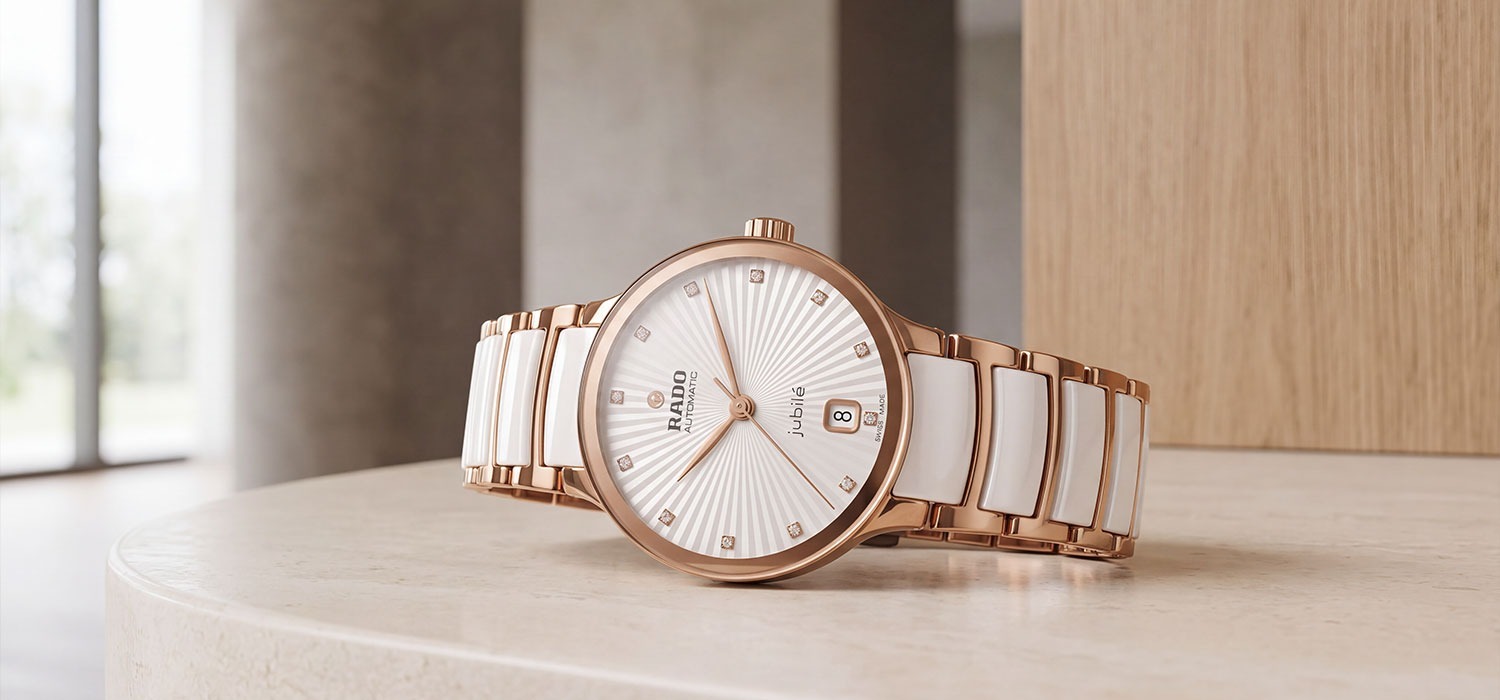
Rado performs strongly in several areas, particularly materials, comfort, and design originality.
Build Quality
Rado watches offer consistent build quality within their price category. The brand focuses heavily on precision manufacturing, particularly with ceramic components.
While some traditional luxury watches emphasize extensive hand-finishing, Rado’s strength lies in advanced production techniques and material expertise.
Materials
Materials are where Rado truly stands apart. High-tech ceramic remains the brand’s defining feature, offering excellent scratch resistance and a lightweight feel.
For many buyers, this is the primary reason to choose Rado over another Swiss brand.
Movements
Rado offers both quartz and automatic movements depending on the collection. Quartz models provide convenience and reliability, while automatic options appeal to buyers who appreciate mechanical watchmaking.
The brand does not primarily focus on developing highly complex in-house movements. Instead, its identity centers around materials and design.
Durability
Ceramic watches are highly resistant to everyday scratches and maintain their appearance well over time. However, ceramics have properties different from those of steel. While steel can dent under impact, ceramic may chip or crack under severe force.
Understanding this difference helps buyers make an informed decision.
Comfort
One of ceramic’s greatest advantages is its lightweight nature. A ceramic watch often feels noticeably lighter than a similarly sized stainless steel watch, making it comfortable for extended daily wear.
Heritage and Innovation
Rado has a genuine heritage, especially in materials innovation. While it does not have the centuries-long history of some Swiss maisons, its contribution to ceramic watchmaking is significant.
Rado Compared With Other Swiss Brands
Comparing Rado with other Swiss brands requires understanding what each brand represents.
Movado is known for minimalist dress watches and its iconic dot-at-twelve dial design. It appeals to buyers seeking recognizable elegance and simplicity.
TAG Heuer has a stronger connection to motorsport, chronographs, and sport-luxury watches. Its designs often appeal to buyers interested in performance-inspired styling.
Rado takes a different direction. Its focus is on advanced materials and contemporary design. A Rado buyer is often someone who wants a watch that looks different from traditional Swiss timepieces.
Compared with other Swiss brands, Rado performs especially well in uniqueness and material innovation. However, it generally has lower mainstream recognition and softer resale value compared with brands that dominate the secondary market.
Is a Rado Watch a Good Investment?
A Rado watch should be purchased because you appreciate the watch itself, not because you expect it to grow in value.
Like most watches, resale value depends on factors such as model popularity, condition, documentation, and market demand. The brand name alone does not guarantee appreciation.
Keeping the original box, papers, and warranty documentation can help support resale value. Carefully maintaining the watch, especially ceramic models, is also important.
However, ownership value is not limited to resale. A watch you enjoy wearing for its appearance, comfort, and craftsmanship can provide meaningful personal value.
For many Rado owners, the appeal lies in owning a Swiss-made watch with a distinctive design and innovative materials.
Who Should Buy a Rado Watch?
Rado is a strong choice for buyers who want a Swiss-made watch with a modern identity. It is especially suitable for someone who values:
- High-tech ceramic and innovative materials
- Lightweight comfort
- Contemporary designs
- A watch with a unique story behind its construction
Rado may not be the ideal choice for someone who prioritizes:
- Maximum brand recognition
- Strong resale performance
- Traditional watch designs
- Complex mechanical complications
Neither preference is better than the other. Choosing a watch is ultimately about finding the design, features, and philosophy that match your lifestyle.
Frequently Asked Questions
1. Is Rado a good watch brand?
Yes, Rado is a respected Swiss watch brand known for material innovation, distinctive designs, and comfortable ceramic watches. It is especially appealing to buyers who value originality over traditional luxury recognition.
2. What is Rado best known for?
Rado is best known for high-tech ceramic watches. The brand became a pioneer in ceramic watch production with the 1986 Integral collection.
3. Are Rado watches Swiss-made?
Yes. Rado is a Swiss watch brand and is part of the Swatch Group.
4. Is Rado considered a luxury watch brand?
Rado is positioned within the affordable luxury or high-end category of Swiss watches. Whether it is considered a luxury depends on how the term is defined.
5. Are Rado watches worth buying?
For buyers who appreciate Swiss craftsmanship, innovative materials, and modern design, Rado can be an excellent choice.
6. Is Rado a good investment?
Rado watches are generally not purchased as financial investments. Their value comes from ownership, design, craftsmanship, and personal enjoyment rather than guaranteed resale appreciation.
Newest Guide & Blog Updates

Sunburst, Matte, and Textured Watch Dials Explained
A watch dial is one of the first details that captures attention. Beyond displaying the time, the d...
How Dial Color and Design Affect a Watch's Style
A watch dial is one of the first things you notice, and its color can change how the entire watch l...

Watch Dial Types Explained: What Should You Know Before Buying?
Every time you look at a watch, the dial is the first detail you notice. Often called the watch fac...
Is Rado a Good Watch Brand? What Sets It Apart From Other Swiss Names
When people begin searching for a Swiss watch, they often compare brands based on heritage, craftsm...

How to Buy Watches Wholesale: A Step-by-Step Guide for Resellers and Retailers
Buying watches wholesale may appear straightforward. Find a supplier, purchase inventory at a lower...

Movado Bold vs. Museum Classic vs. Series 800: Which Collection Actually Fits You?
Choosing a Movado watch can become surprisingly complicated once you compare collections side by si...