
Blog
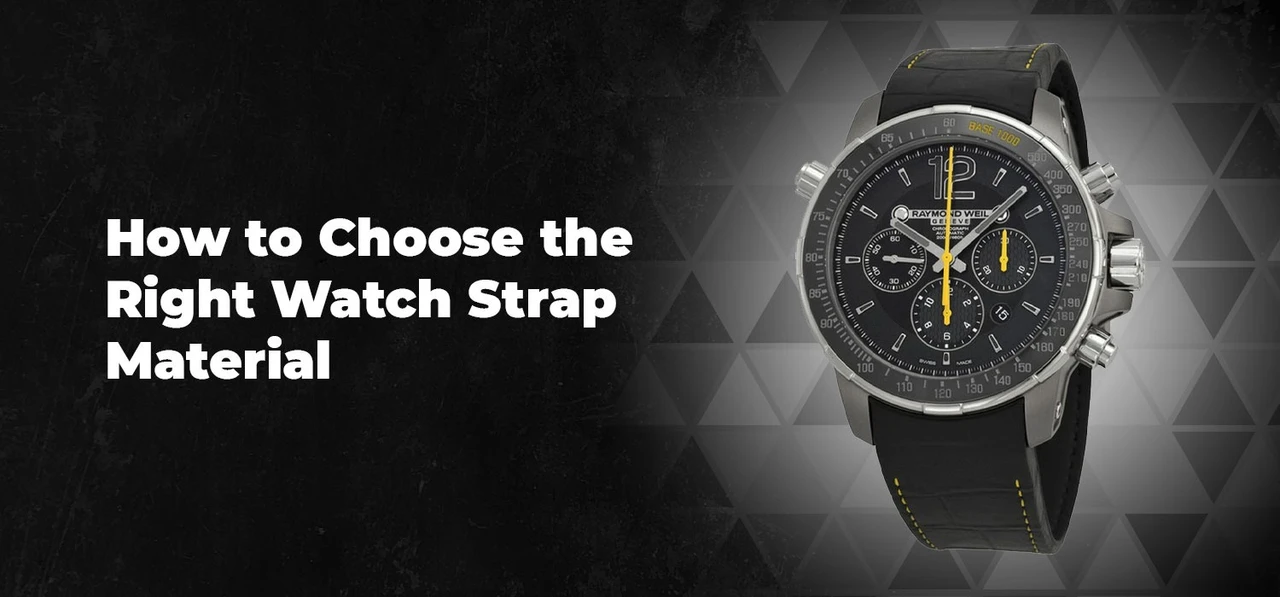
How to Choose the Right Watch Strap Material
Your watch strap does more than hold your watch in place. It affects how comfortable your wrist feels, how well your watch handles moisture, and how much maintenance you need.
A leather strap may feel comfortable at work but suffer from summer sweat. A silicone band handles workouts but can collect dust and lint. A metal bracelet offers durability but may feel heavy on smaller wrists.
Choosing the right watch strap material depends on your lifestyle, climate, personal preferences, and skin sens
…
26th Oct 2026
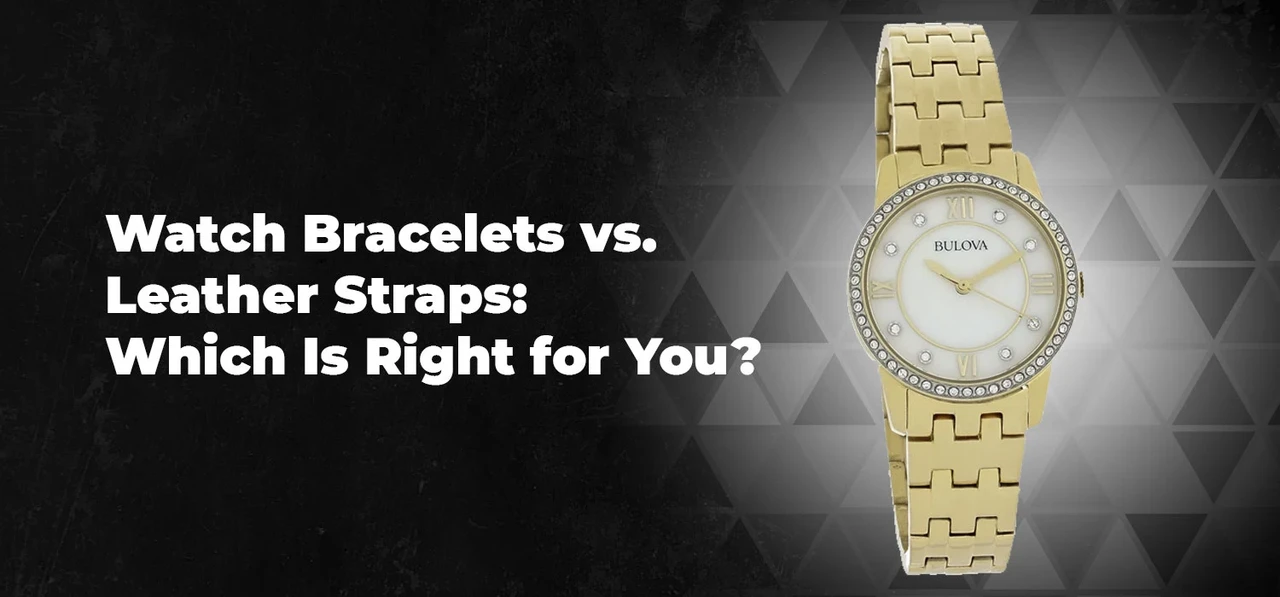
Watch Bracelets vs. Leather Straps: Which Is Right for You?
You've found the watch you want, but there's one decision left. Should you buy it with a metal bracelet or a leather strap? Both versions may look appealing, yet they offer different levels of comfort, durability, and convenience.
When comparing a leather vs. metal watch band, neither option is universally better. Metal bracelets handle moisture, daily wear, and frequent activity well. Leather straps feel lighter, offer a softer fit, and work particularly well with dress watches.
Your decision
…
23rd Oct 2026
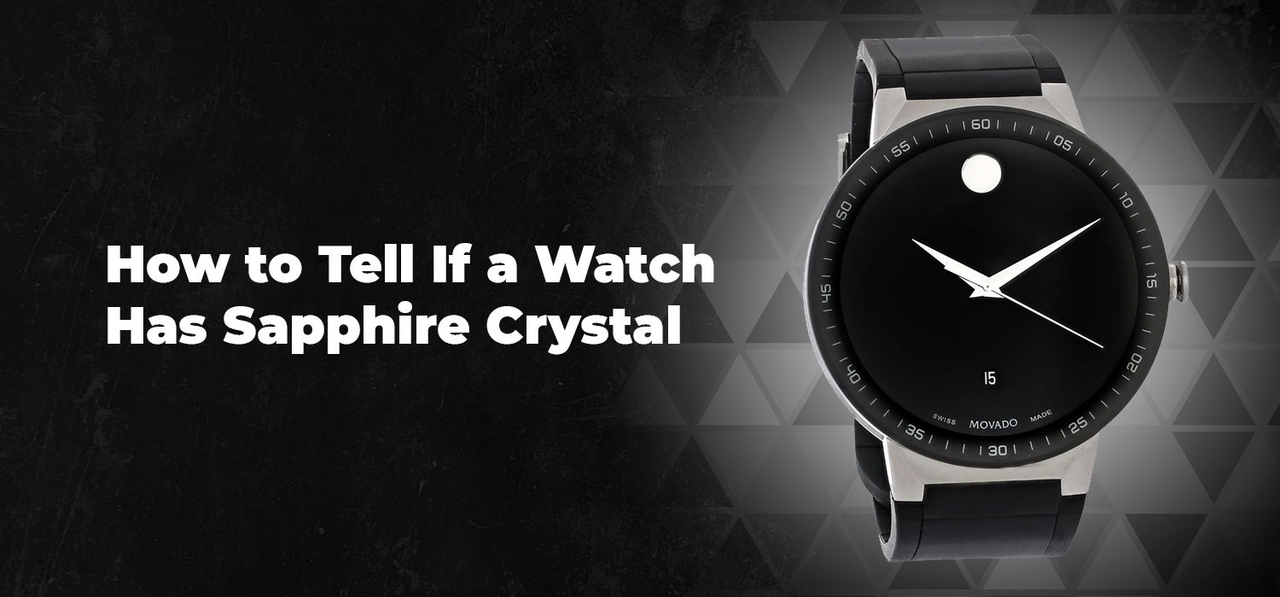
How to Tell If a Watch Has Sapphire Crystal
If you are wondering how to tell if a watch has a sapphire crystal, online advice can be confusing. Water tests, tap tests, temperature checks, and flashlight tricks are often presented as definite answers, but most only provide clues.
The safest and most reliable approach is simpler: identify the exact watch reference, check the manufacturer's specifications, and use non-damaging tests only as supporting evidence. For expensive or pre-owned watches, professional verification can provide additi
…
22nd Oct 2026
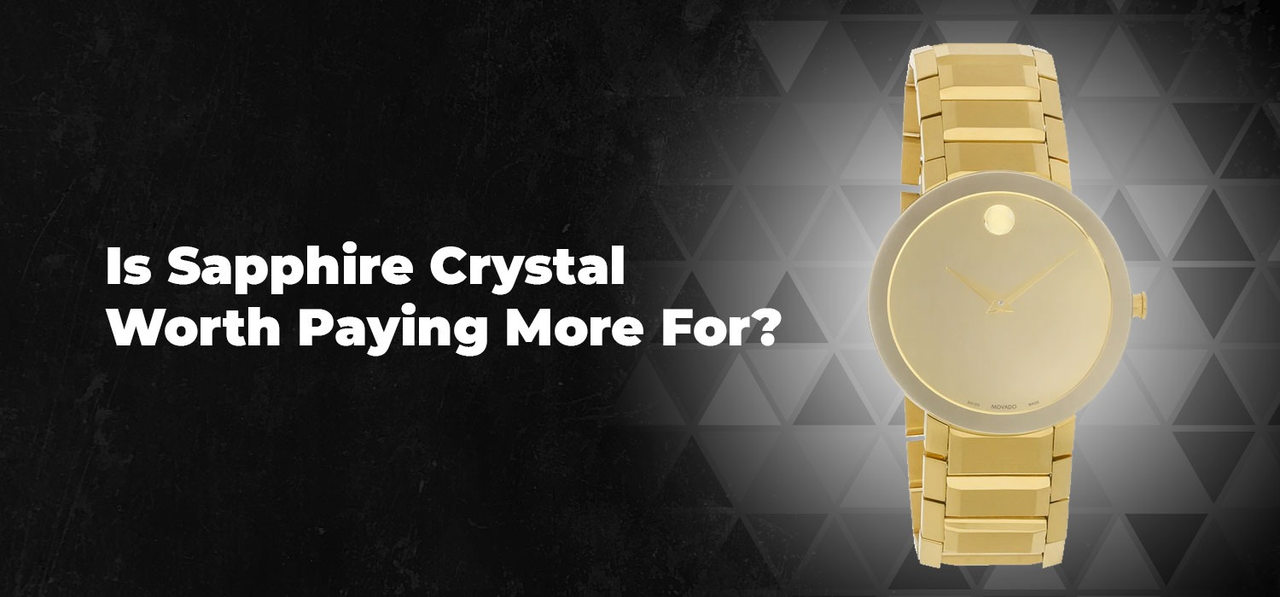
Is Sapphire Crystal Worth Paying More For?
You are comparing two similar watches. One uses mineral glass, while the other has sapphire crystal and costs more. Is the upgrade actually worth paying for?
For many people, the answer depends on how often the watch will be worn and how much visible scratches matter. A sapphire crystal watch offers far greater scratch resistance and can keep its clean appearance for years, but sapphire is not automatically the best choice for every buyer.
The important question is not simply whether sapphire i
…
19th Oct 2026
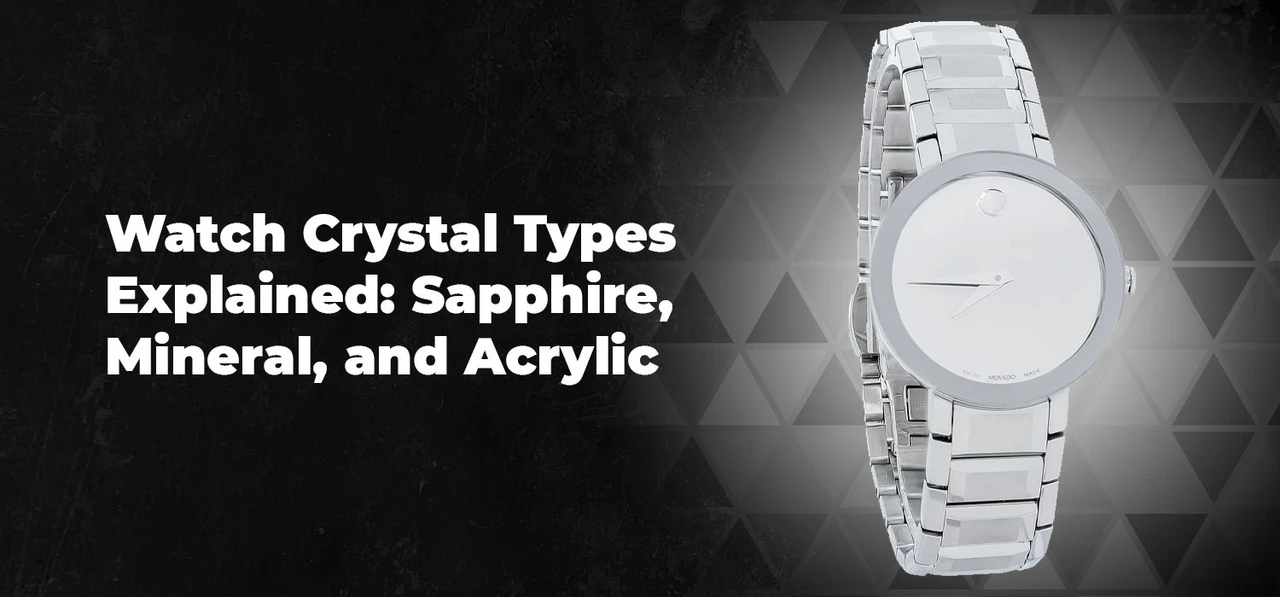
Watch Crystal Types Explained: Sapphire, Mineral, and Acrylic
A watch crystal does more than protect the dial. It influences how your watch looks, how easily it scratches, and how well it handles everyday wear. When comparing watches, you will often encounter three main watch crystal types: sapphire, mineral, and acrylic.
Each material offers different benefits. Sapphire resists scratches exceptionally well, mineral glass balances durability and affordability, and acrylic handles impacts while remaining easy to polish.
Understanding the differences betwee
…
16th Oct 2026
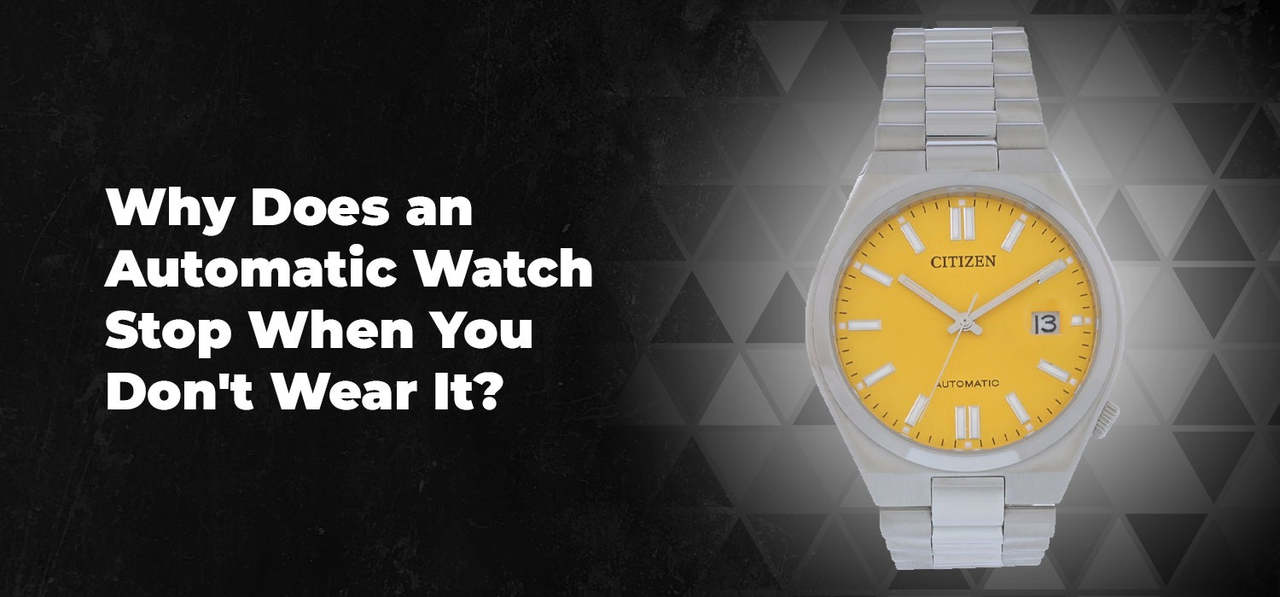
Why Does an Automatic Watch Stop When You Don't Wear It?
An automatic watch stops when the energy stored inside its mainspring runs out. Unlike a battery-powered watch, it depends on movement or manual winding to maintain that energy.
This is normal and usually doesn't mean your watch is broken. If your automatic watch stopped after sitting on a dresser for a couple of days, it probably needs winding.
Understanding why this happens, how to restart your watch, and which warning signs deserve attention can help you avoid unnecessary repairs.
Why Does a
…
14th Oct 2026
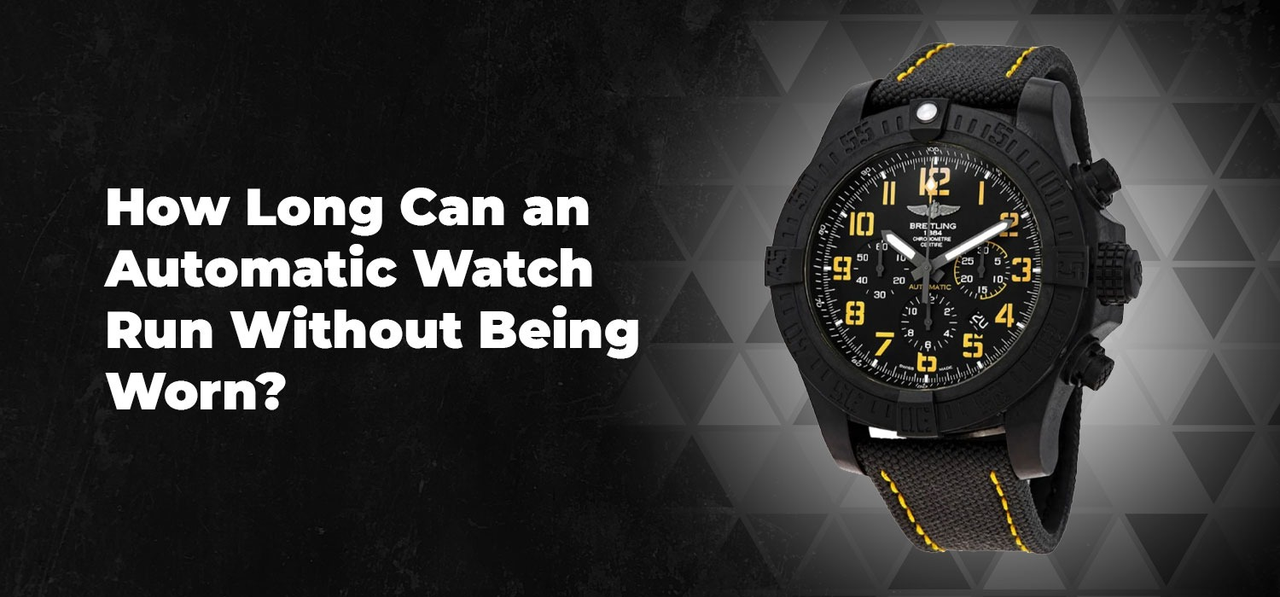
How Long Can an Automatic Watch Run Without Being Worn?
Most automatic watches run for approximately 38–42 hours without being worn, or roughly a day and a half to two days, provided they are fully wound. Some newer movements can operate for 70–80 hours, while selected models offer up to 120 hours.
If you remove your watch on Friday evening and find it stopped by Monday morning, that doesn't necessarily mean anything is wrong.
The actual running time depends on the movement, its stored energy, and how fully it was wound before removal. L
…
12th Oct 2026
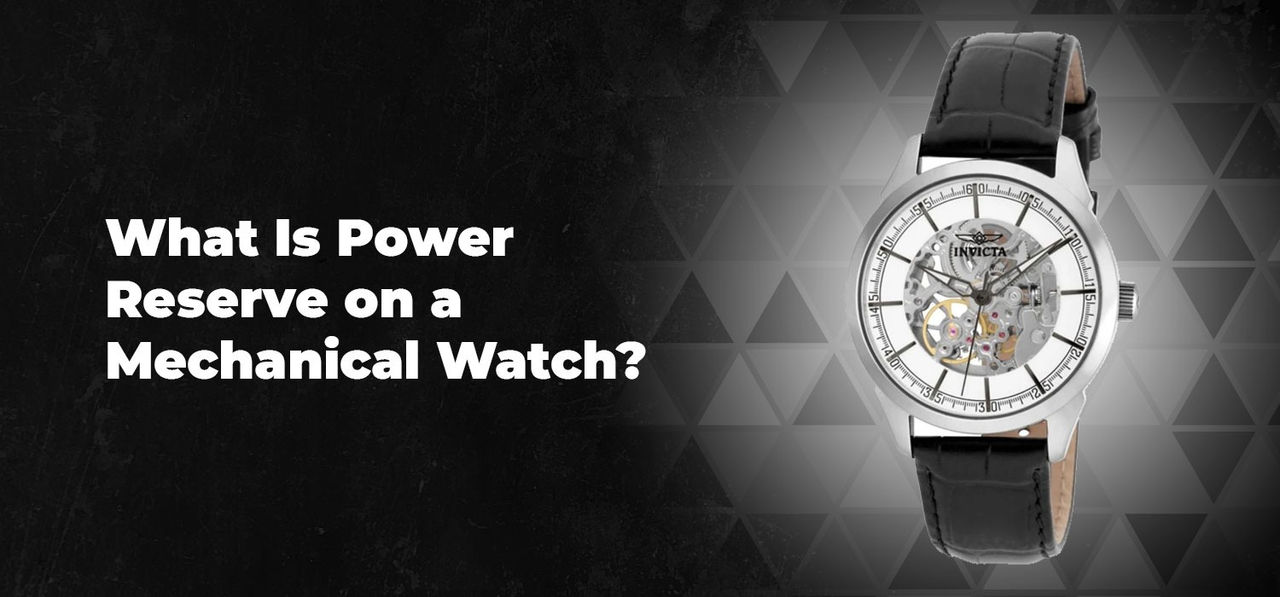
What Is Power Reserve on a Mechanical Watch?
When shopping for a mechanical watch, you may notice specifications such as "38-hour power reserve" or "80-hour power reserve." But what do these numbers actually mean?
Power reserve is the amount of time a mechanical watch continues running after being fully wound, without requiring additional winding.
A watch with a 40-hour power reserve can run for approximately 40 hours after a full wind, even when it isn't being worn.
Understanding mechanical watch power reserve helps you compare different
…
9th Oct 2026
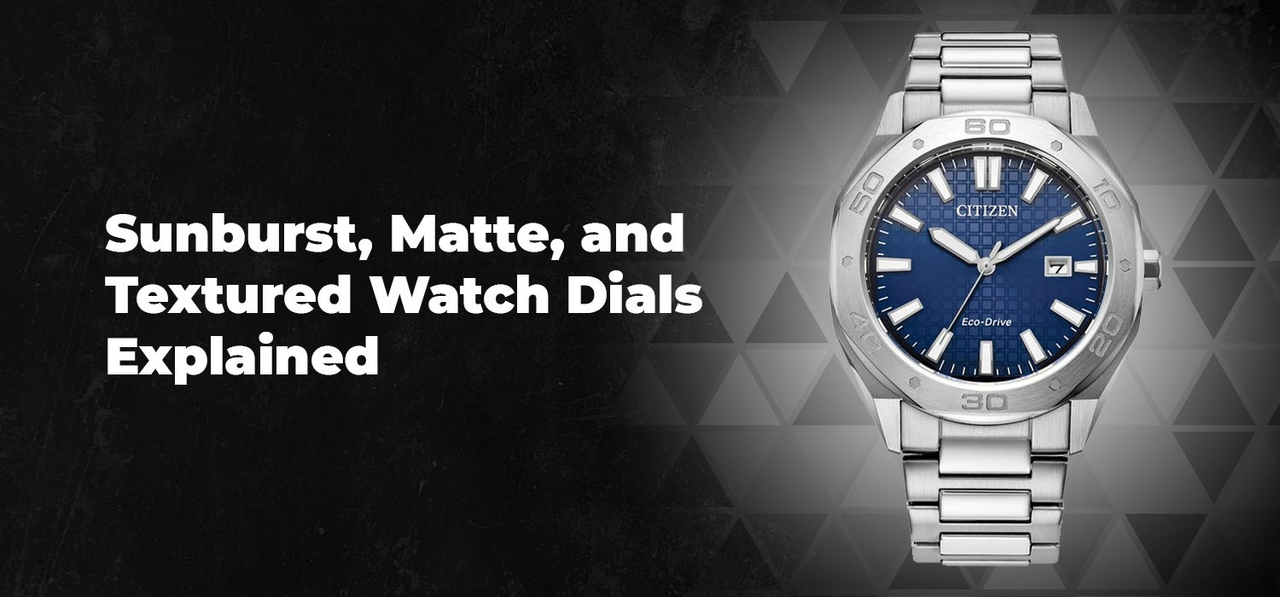
Sunburst, Matte, and Textured Watch Dials Explained
A watch dial is one of the first details that captures attention. Beyond displaying the time, the dial finish creates depth, character, and a unique visual experience. Sunburst, matte, and textured watch dials each interact with light differently, creating distinct appearances on the wrist.
Understanding these finishes can help you appreciate the craftsmanship behind a timepiece and choose a watch that matches your style. While some finishes create movement and brilliance, others focus on clari
…
8th Oct 2026
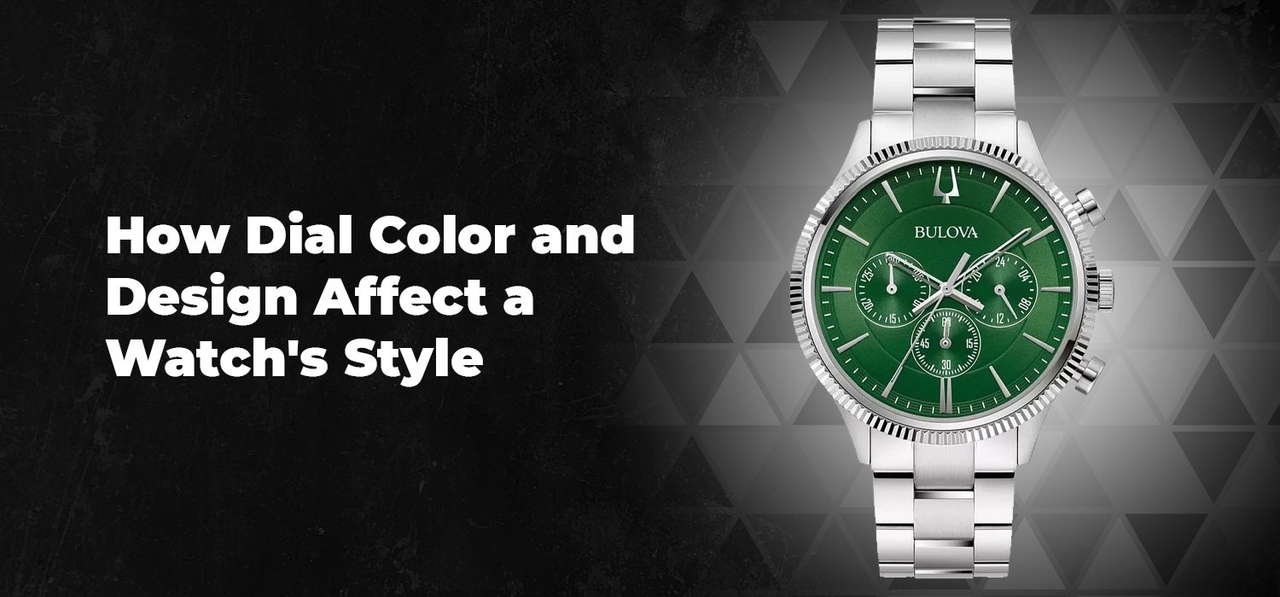
How Dial Color and Design Affect a Watch's Style
A watch dial is one of the first things you notice, and its color can change how the entire watch looks. Black, white, blue, green, brown, and other shades can read as formal, casual, sporty, or distinctive depending on the surrounding details. Markers, hands, layout, case, and strap also influence the result. This guide explains how to choose color, compare dark and light dials, pair a dial with its case and strap, and judge color online.
Why Dial Color and Design Set the Tone
Yes, dial color
…
1st Oct 2026