
Quartz vs Automatic vs Mechanical: Which Watch Movement Is Right for You?
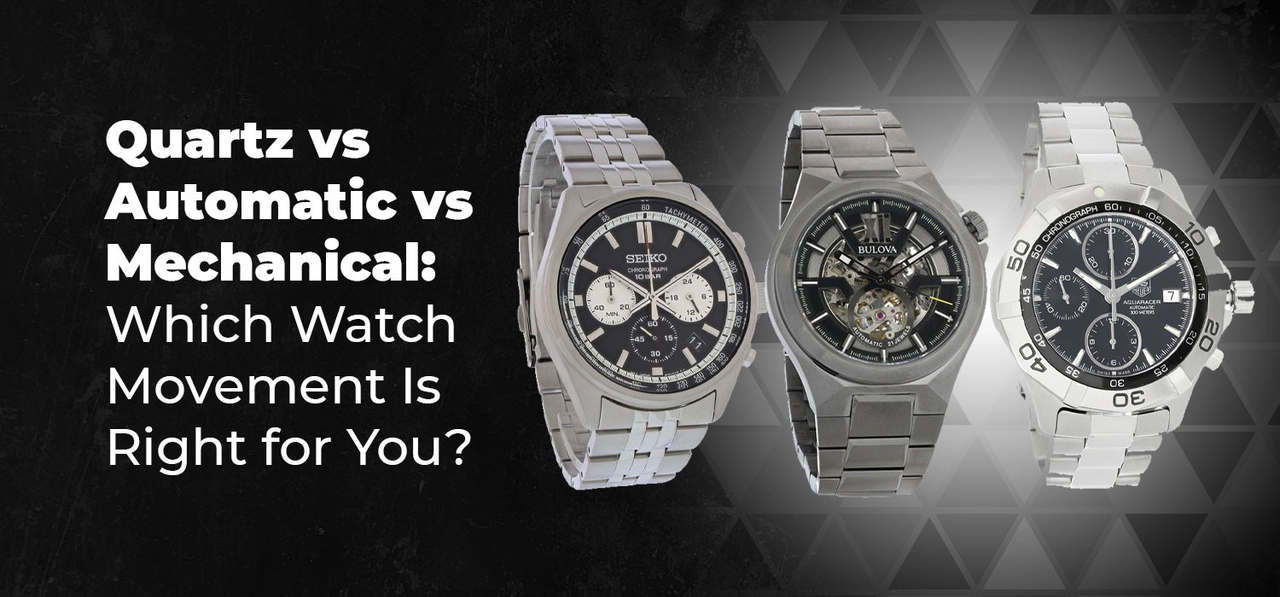
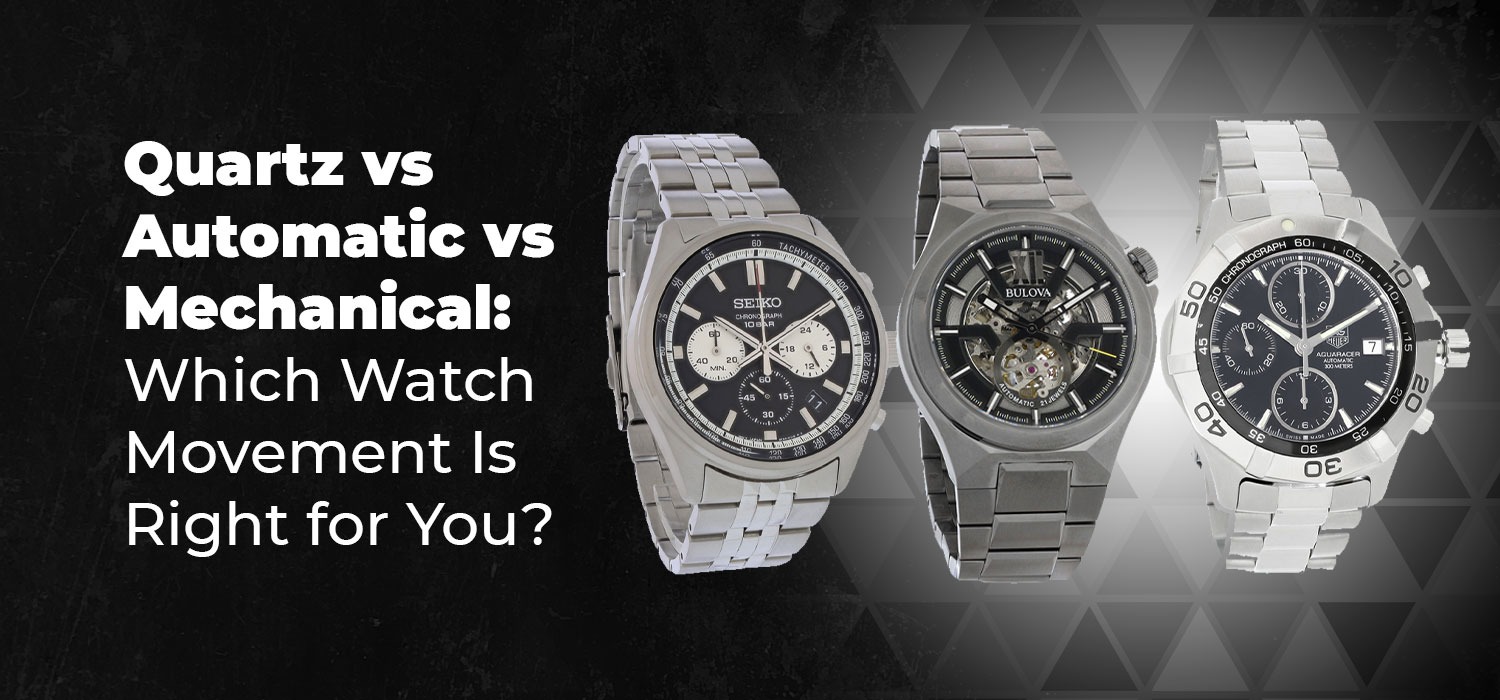
When it comes to choosing a watch, one of the most important decisions you'll make is understanding the movement inside the watch. Quartz, automatic, and mechanical movements each have their own unique characteristics, benefits, and considerations. Whether you're a seasoned watch collector or someone purchasing their first timepiece, knowing the difference between these types of movements will help you make an informed choice. Let's get into the key features of each, compare their differences, and guide you on how to choose a watch that best suits your style, lifestyle, and preferences.
Key Highlights
- Quartz watches are powered by a battery and use a quartz crystal to regulate time.
- Automatic watches wind themselves using the motion of the wearer's wrist, eliminating the need for batteries.
- Mechanical watches are manually wound, requiring regular winding to keep time.
What Is a Quartz Watch? How Does It Work?
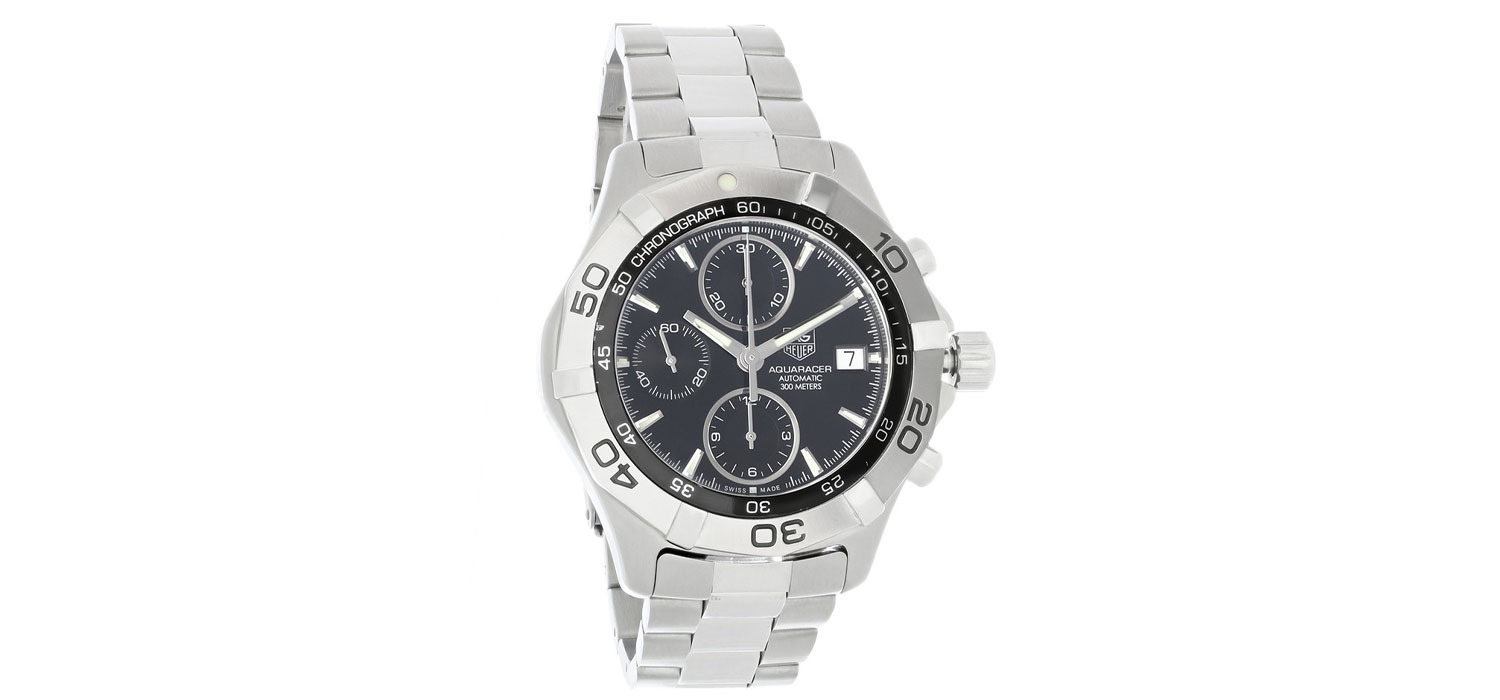
When most people think of a modern watch, chances are they're picturing a quartz watch. So, what exactly is a quartz watch, and how does it work? Simply put, quartz watches are powered by a small battery that sends energy to a quartz crystal, which vibrates at a precise frequency. These vibrations are then converted into timekeeping signals, driving the movement of the watch hands. Quartz watches are incredibly accurate and require minimal maintenance, making them a popular choice for everyday wear.
Do Quartz Watches Need Batteries?
Yes, quartz watches do require batteries. The battery in a quartz watch typically lasts between one and three years, depending on the model and usage. Once the battery runs out, you can simply replace it, and your watch will be good to go again. The lack of mechanical parts in a quartz watch means that it's less prone to wear and tear, offering excellent durability and reliability.
What Makes Quartz Watches So Popular?
Quartz watches are known for their precision and ease of use. They're low-maintenance, offer consistent timekeeping, and are often more affordable than other types of watches. If you're wondering how to choose a watch that's reliable and convenient for daily wear, quartz watches are a solid choice. Whether you're looking for a watch for everyday use or something sleek for a formal event, you'll find a range of quartz watches that fit various styles.
What Is an Automatic Watch and How Do Automatic Watches Work?
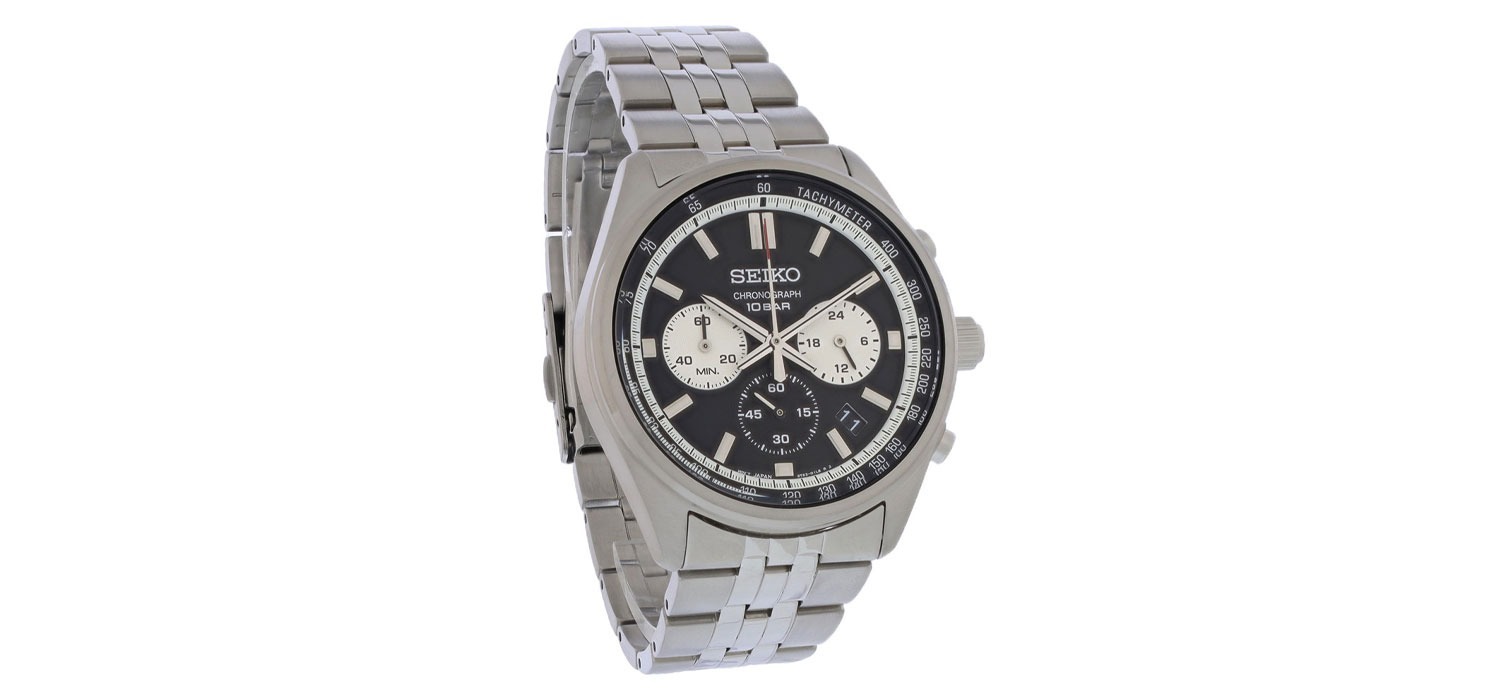
Automatic watches, often called "self-winding" watches, use the natural motion of your wrist to wind the mainspring inside the watch. This winding motion generates the energy that powers the watch. Unlike quartz watches, which rely on batteries, automatic watches for men (or women) never need a battery as long as they are worn regularly. If you don't wear the watch for an extended period, you may need to wind it manually to get it started again.
Automatic watches offer a classic mechanical feel, with many collectors and watch enthusiasts preferring them for their craftsmanship and intricate designs. Whether you're new to watches or a seasoned collector, learning how automatic watches work will help you appreciate the tradition behind them.
Do Automatic Watches Have Batteries?
Automatic watches do not require batteries. They are powered by the movement of your wrist, which winds the mainspring and provides energy to the watch. If you're used to quartz watches, which require periodic battery changes, the lack of a battery in an automatic watch may be a new concept. However, automatic watches do need to be worn regularly to keep running. If you don't wear your automatic watch for several days, you may need to manually wind it to get it started again.
Quartz vs Automatic Watch: What's the Difference?
When comparing quartz vs automatic watch, it's important to understand how the two types of movements differ in their functionality. While quartz watches rely on a battery and a vibrating quartz crystal for power, automatic watches are entirely mechanical and are powered by the movement of the wearer's wrist.
Are Automatic Watches Better Than Quartz Watches?
The answer to whether automatic watches are better than quartz watches depends on what you value in a watch. If precision and ease of use are top priorities, a quartz watch may be the better option. They are extremely accurate, require minimal maintenance, and can be more affordable than automatic watches. However, if you appreciate the art of watchmaking and enjoy the mechanical aspect of a timepiece, an automatic watch may be the right choice.
The beauty of automatic watches lies in their craftsmanship. These watches often have intricate movements that are visible through the caseback, giving you a glimpse into the heart of the watch. Many watch enthusiasts also enjoy the ritual of winding an automatic watch, making it a hands-on experience that connects them to the tradition of watchmaking.
Mechanical Watches: The Art of Manual Winding
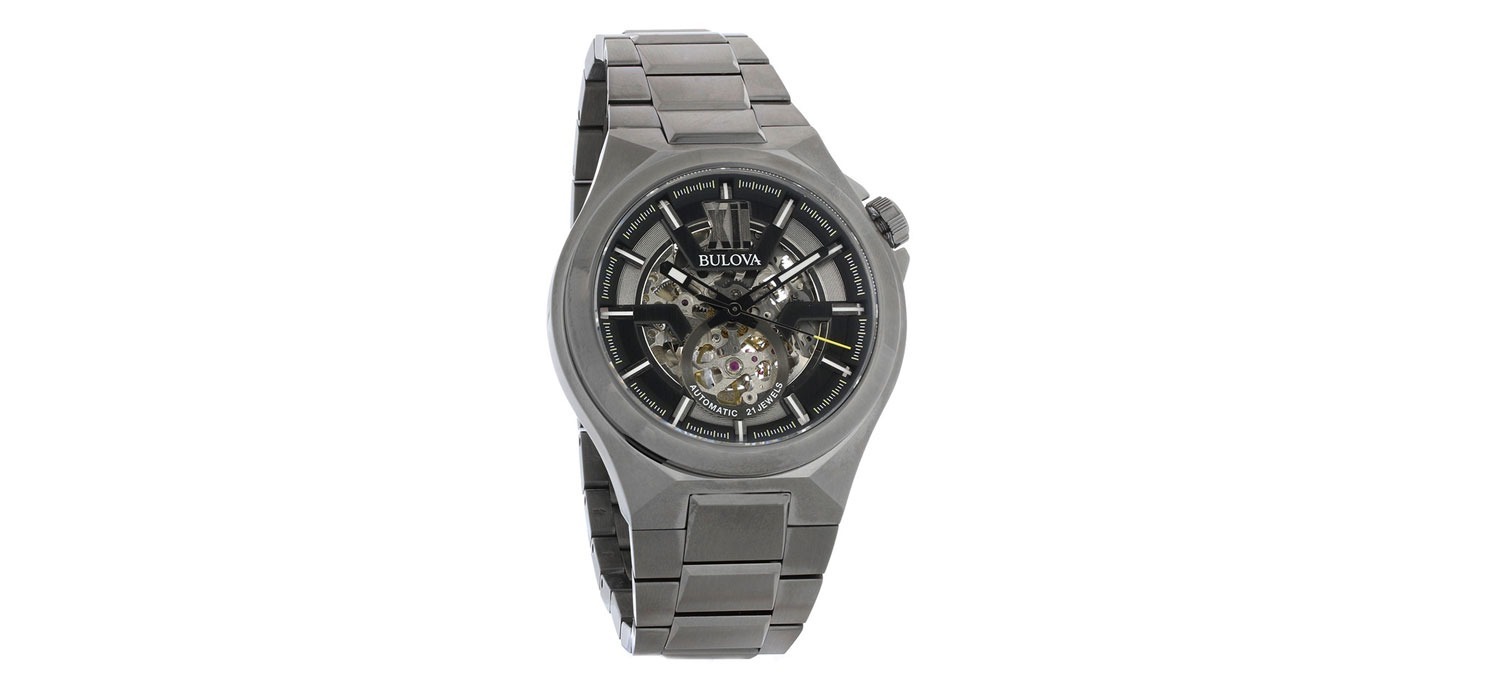
Mechanical watches are the oldest type of watch movement, predating even quartz watches. While automatic watches are self-winding, mechanical watches require the wearer to manually wind the crown to store energy in the mainspring. This energy is then released to power the watch's movement.
What Is a Mechanical Watch and How Does a Mechanical Watch Work?
A mechanical watch is powered entirely by manual winding, meaning there is no battery or motion involved to keep it running. The winding mechanism is a tradition that has been passed down through generations of watchmakers. Winding a mechanical watch is a personal, hands-on experience, and many collectors find this process rewarding.
Mechanical watches are known for their craftsmanship and often feature more intricate designs than quartz or automatic watches. The fine movement inside a mechanical watch is a testament to the art of horology, and many watch collectors value this craftsmanship above all else.
Quartz vs Mechanical Watch: Which One Is Right for You?
When comparing quartz vs mechanical watch, it's important to note that mechanical watches are often more expensive due to the level of craftsmanship and complexity involved in their creation. If you're someone who appreciates the art of manual winding and enjoys wearing a watch with a history, a mechanical watch may be the right choice. However, if you're looking for a timepiece that's easy to maintain, highly accurate, and more affordable, quartz watches are a practical option.
Mechanical watches tend to be favored by those who view their timepiece as an investment or a statement piece. Many watch enthusiasts appreciate the intricate movements that are often visible through the case back, which gives the watch a distinct, vintage feel.
How to Choose a Watch: Factors to Consider
Now that we've covered the basics of quartz, automatic, and mechanical movements, how do you choose the right one for you? Here are a few factors to consider:
- Accuracy: If you value precision, quartz watches are the most accurate option, requiring little to no maintenance other than battery changes.
- Maintenance: Quartz watches are the least demanding when it comes to maintenance. Automatic and mechanical watches require winding and occasional servicing to maintain their accuracy and functionality.
- Style and Tradition: If you enjoy the art of horology, a mechanical or automatic watch may be the better fit. These watches often feature intricate designs and movements that appeal to collectors and enthusiasts.
- Budget: Quartz watches are typically more affordable than automatic and mechanical watches, making them a great choice if you're on a budget. However, if you're willing to invest in craftsmanship, mechanical and automatic watches can be a valuable addition to your collection.
- Convenience: Automatic watches offer the convenience of never needing a battery, as long as you wear them regularly. If you're looking for a hassle-free experience, this might be the way to go.
What's the Right Watch Movement for You?
Whether you choose a quartz, automatic, or mechanical watch, the decision ultimately depends on what you value most in a timepiece. Quartz watches are ideal for those who want accuracy, reliability, and low-maintenance. If you're drawn to craftsmanship and tradition, an automatic or mechanical watch may be the better option. Automatic watches offer the convenience of self-winding, while mechanical watches provide the hands-on experience of manual winding.
At Inventory Adjusters, we offer a wide selection of all three types of watches, including top-quality quartz watches, automatic watches for men, and exquisite mechanical timepieces. No matter your preference, you're sure to find a watch that suits your style and needs.
Shop Now for Your Perfect Watch
Ready to find your next timepiece? Browse our extensive collection today and take your watch game to the next level. From sleek quartz watches to sophisticated automatic and mechanical options, we have something for every style and budget.
FAQs
1. How does a quartz watch work?
A quartz watch uses a battery to send energy to a quartz crystal, which vibrates at a precise frequency. These vibrations power the movement of the watch hands, providing accurate timekeeping.
2. Do automatic watches require batteries?
No, automatic watches do not need batteries. They are powered by the movement of your wrist, which winds the mainspring and keeps the watch running.
3. What is the difference between quartz and automatic watches?
Quartz watches are battery-powered and require minimal maintenance, while automatic watches are powered by the motion of your wrist and never require a battery.
4. How often do mechanical watches need winding?
Mechanical watches need to be manually wound regularly to ensure they keep time. The winding process stores energy in the mainspring, which powers the watch.
5. Which type of watch is the most accurate?
Quartz watches are typically the most accurate type of watch due to their reliance on a quartz crystal to regulate time. They offer precise timekeeping with minimal maintenance.
Newest Guide & Blog Updates

Anniversary Gift Ideas- Watches That Feel Luxurious Without the Luxury Price Tag
An anniversary gift should last as long as the occasion it marks. That is why anniversary gift idea...

How to Spot an Authentic Coach Watch Online (Buyer’s Checklist)
Counterfeit listings have gotten better at looking real, so we can no longer rely on a single photo...

Dress Watch vs. Sport Watch vs. Casual Watch: Which One Should You Buy?
When choosing a watch, it’s essential to understand the distinct differences among the types availa...

What Watch Collectors Look for Beyond Brand Names
A watch that truly matters does not need to announce itself with a logo. The moment you hold a well...

How to Verify Watch Authenticity When Buying Online
Buying a watch online can be both exciting and nerve-racking at the same time. You have access to t...
How to Choose the Right Watch Based on Your Lifestyle and Daily Use
Your watch should feel like part of your routine, not a small burden you keep adjusting all day. If...