
How to Spot an Authentic Coach Watch Online (Buyer’s Checklist)
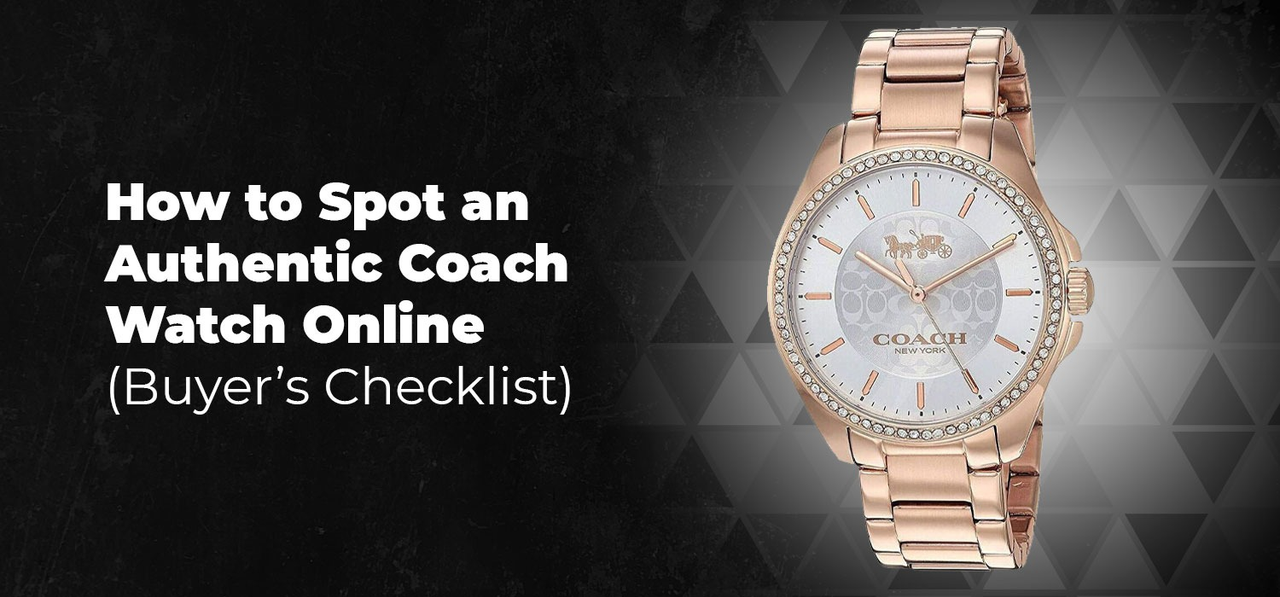
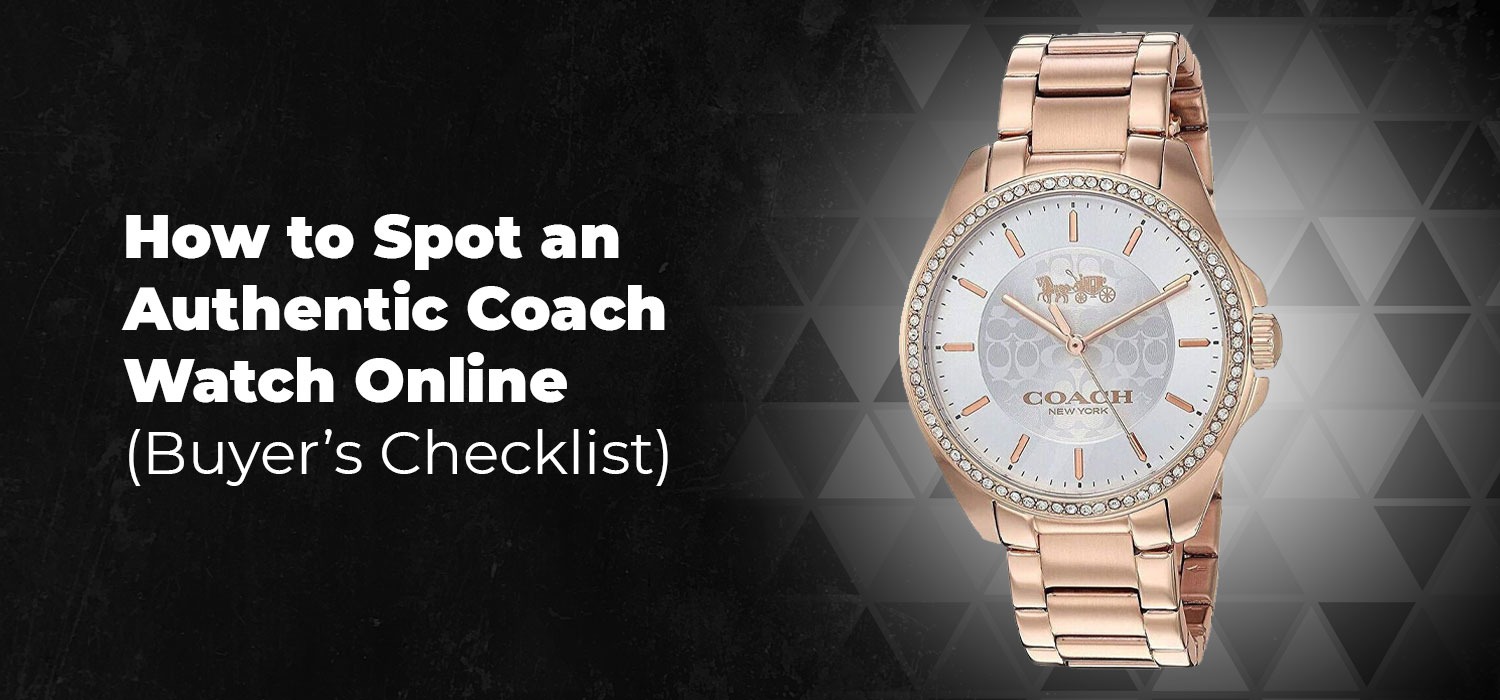
Counterfeit listings have gotten better at looking real, so we can no longer rely on a single photo or a seller’s confidence. If we’re shopping online, we need a repeatable process that protects our money and our peace of mind. A coach watch should feel like a smart purchase, not a gamble, so we treat verification as part of the buying decision, not an optional extra. The goal is simple- confirm authenticity, confirm condition, and confirm that the price makes sense before we check out. That’s what watch authentication is really about. In the steps below, we’ll use clear checks that work whether we’re buying on a marketplace, from a reseller, or from a boutique site. We’ll also cover what to do when photos are limited and how online watch authentication can help when we can’t inspect the watch in person.
Key Highlights
- Always verify the seller first before focusing on the watch details.
- Compare the coach watch price with realistic market ranges to avoid a pricing trap
- Inspect dial printing, logo spacing, and case finishing for consistency.
- Confirm that the engravings and model details match the coach watch's original.
- Request additional photos if any angles are missing or unclear.
- Use online watch authentication when buying from an unfamiliar seller.
- Consider certified watch authentication for higher-value purchases.
- Walk away from listings that avoid direct authenticity claims or clear answers.
Why Watch Authentication Matters More Than Ever
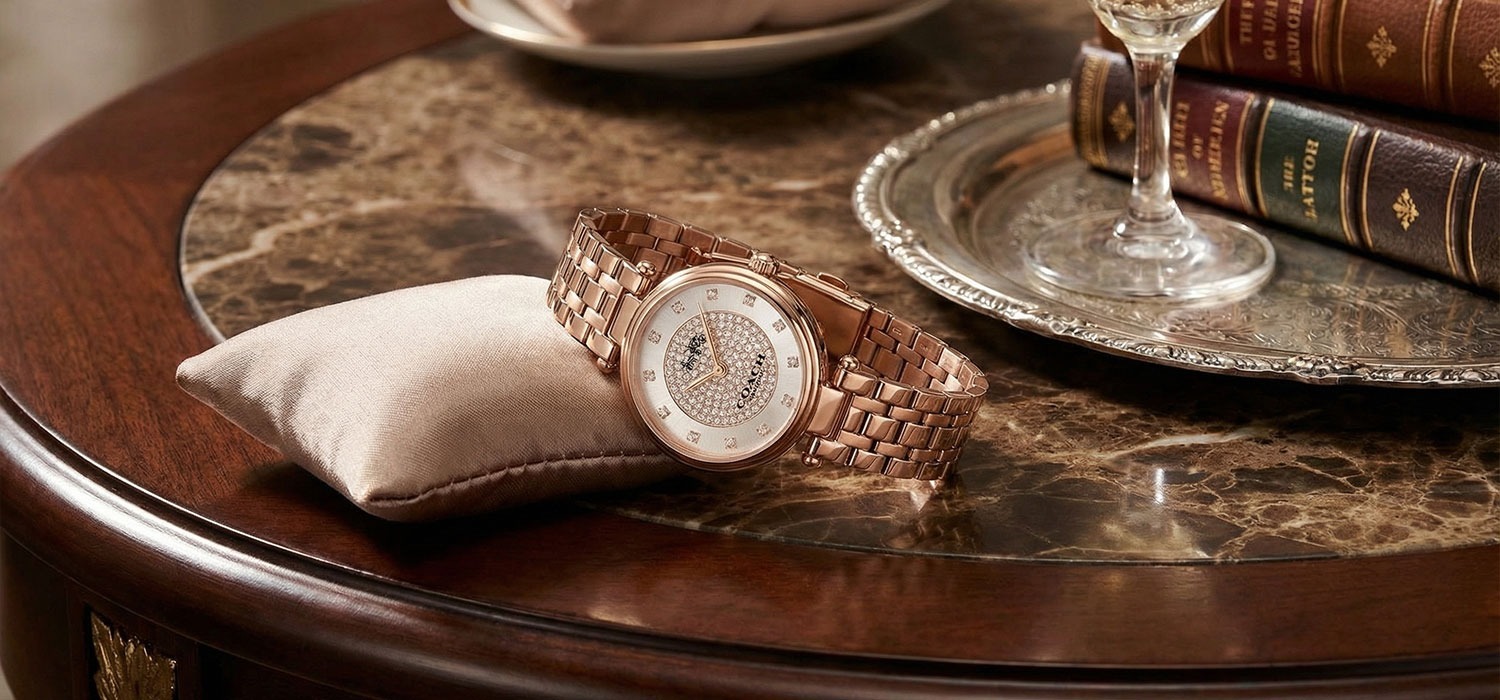
The biggest problem with modern counterfeits is that they often look convincing at a glance. Sellers know what buyers want to see, so they use flattering lighting, angles that hide weak areas, and descriptions that sound official but say very little. That’s why we treat watch authentication like a checklist, not a vibe.
When we buy coach watches online, we’re not only paying for timekeeping. We’re paying for brand identity, design consistency, and the confidence that the watch will hold up to normal wear. If we accidentally buy a fake, we can end up with poor plating, rough finishing, unreliable movement performance, and a watch that looks fine in a photo but feels cheap on the wrist. That disappointment is avoidable if we approach the purchase with discipline.
A reliable process also helps us avoid “almost real” listings, where the seller hints at authenticity without stating it clearly. A legitimate seller will not be offended by reasonable questions, and a careful buyer will not rush because of a countdown timer. If a listing tries to push urgency while avoiding details, that is precisely when we slow down.
Step 1- Evaluate the Seller Before the Watch
Before we zoom in on the dial, we need to zoom out and check who we’re buying from. Many buyers start with the product photos, but the seller is the foundation. A strong seller profile reduces risk even if we still conduct a full inspection.
We start by looking at consistency. Do they sell a wide range of unrelated items with no clear focus, or do they specialize in watches and accessories? A specialized seller is not automatically honest, but it often means they know buyers will ask tough questions. We also look at how they describe the condition. Strong listings use clear terms and specifics, not vague phrases like “looks good for its age” without any supporting details.
We also check whether the seller offers returns and whether the return policy is realistic. If returns are “not accepted under any circumstances,” we treat that as a warning sign. When buying coach watches, a reasonable return window is often a sign that the seller stands behind their products. This is also where we decide whether we need extra verification support later, because seller uncertainty increases the value of professional confirmation.
Step 2- Check the Coach Watch Price Against Reality
Pricing tells a story, and the story has to make sense. A regular coach watch price reflects brand positioning, typical resale ranges, and the piece's condition. A deal is possible, but a deal still has boundaries.
If the coach watch price is dramatically lower than what we see elsewhere for similar models, we ask why. Is the watch missing links, missing packaging, or showing heavy wear? Is it listed as non-working or as needing repair? If the seller can explain the price clearly, that’s useful. If the seller avoids the question or gives a generic answer, we treat it as a risk.
On the other hand, an unusually high coach watch price also deserves scrutiny. Some sellers inflate pricing to create the illusion of rarity. We protect ourselves by comparing multiple listings, not just one. We do not need perfect market research, but we do need enough context to spot pricing that is wildly out of line.
Step 3- Inspect the Dial, Case, and Logo Details
This is where most fakes reveal themselves. When we inspect a coach's wrist watch, we focus on finishing quality and consistency. Authentic pieces generally show clean edges, precise printing, and details that align from one part of the watch to another.
We look at the logo first. Is it crisp, evenly spaced, and properly aligned? Counterfeits often get close but not perfect. Minor spacing errors, uneven thickness, and slightly off-center placement are standard. Next, we check the dial printing. We want clean lines and lettering that does not look fuzzy when zoomed in.
Then we examine the hands and markers. If the markers look slightly crooked or the edges of the hands appear rough, we take that seriously. On many fake watches, the dial looks fine from afar but falls apart in close-up. For a coach watch original, the dial typically looks intentional and balanced, with consistent color tones and a polished finish that reads clearly in standard lighting.
We also check the case finishing and the crown. A counterfeit often shows rough edges where the case meets the bracelet or strap, or it shows uneven plating. We want to see surfaces that look smooth, not grainy. If the listing photos avoid showing the side profile or the case back, we ask for those images. If the seller refuses, we treat it as a no.
Step 4- Case Back, Engravings, and Model Information
The case back is a high-value checkpoint because it’s harder for counterfeiters to fake perfectly across many models. When we buy coach watches, we should expect the case back to show consistent engraving quality, correct spelling, and clean alignment.
We look for shallow, uneven, or blurry engravings, which may indicate low-quality production. We also look for inconsistent font styles and any signs that the engraving looks “too new” compared to the rest of the watch if the listing claims it is pre-owned.
If the seller provides model information, we check whether the details align with what we see in the photos. If the listing claims a specific case size but the watch looks obviously larger or smaller, we pause. If they mention water resistance, we treat that as a claim we should verify with documentation rather than an assumption. A legitimate seller will usually be willing to clarify, and a careful buyer does not guess.
This step supports watch authentication by tying the visible product to a specific identity. If the identity is unclear, the risk goes up.
Step 5- Documentation and What It Really Proves
Many buyers assume that a box automatically means authenticity, but packaging can be copied. Documentation helps, but it is not the only proof. The right approach is to treat documentation as supportive, not decisive.
If a listing includes paperwork, we check that it matches the exact watch shown. We look for consistent naming, model references, and any serial or reference details that align with the watch. If the seller provides a receipt, we check whether it looks legitimate and whether the details make sense.
This is also where professional verification can be helpful. If we are spending enough that we want extra confidence, certified watch authentication can reduce uncertainty. A formal check is invaluable when the listing uses only a few images, the seller is new, or the watch is meant as a gift, and we want zero doubt.
When we cannot inspect in person, online watch authentication services can review photos and listing details and provide a structured opinion. It is not magic, but it adds a layer of accountability that many private sellers cannot match.
Step 6- Photo Checks That Catch Most Counterfeits
Good photos make authentication easier, and bad photos often hide problems. We look for image quality, variety of angles, and whether the images appear to be original photos or pulled from another listing.
We want to see the dial straight-on, the side profile, the clasp area, the crown, and the case back. If the listing shows only one angle, we request more angles. If the seller says they cannot take more photos, we ask ourselves why. A seller holding the watch can usually take a few extra pictures in under a minute.
We also check for reflections and lighting tricks. Harsh lighting can hide scratches, and soft lighting can blur printing issues. We prefer natural light photos when possible. If a listing uses stock images, we treat it as high risk. Stock images do not prove what we will receive.
If the seller shares new photos after we ask, we compare them to the original set. We look for inconsistencies that suggest the images may not be of the same watch. That simple cross-check catches more scams than most people realize.
Step 7- Men’s and Women’s Models, and Why It Matters
Coach offers different styles that can affect how we judge authenticity. A man's coach watch often features a larger case, a bolder dial layout, and a more substantial bracelet or strap. Many fakes get proportions wrong, especially when they try to copy a popular style across multiple sizes.
In coach watches for women, we often see slimmer bracelets, more minor cases, and jewelry-like finishes. Counterfeits sometimes exaggerate shine or use plating that looks too yellow or too bright compared to authentic tones.
When we shop for a men's coach watch, we also check clasp construction and bracelet links for a solid feel and consistent finishing. When we shop for coach watches for women, we check how the bracelet meets the case and whether the transition looks clean and intentional.
This sizing and style awareness improves watch authentication by helping us notice when a watch looks “almost right” but not entirely consistent with the model category.
Are Coach Watches Good? What We Should Expect From Authentic Pieces
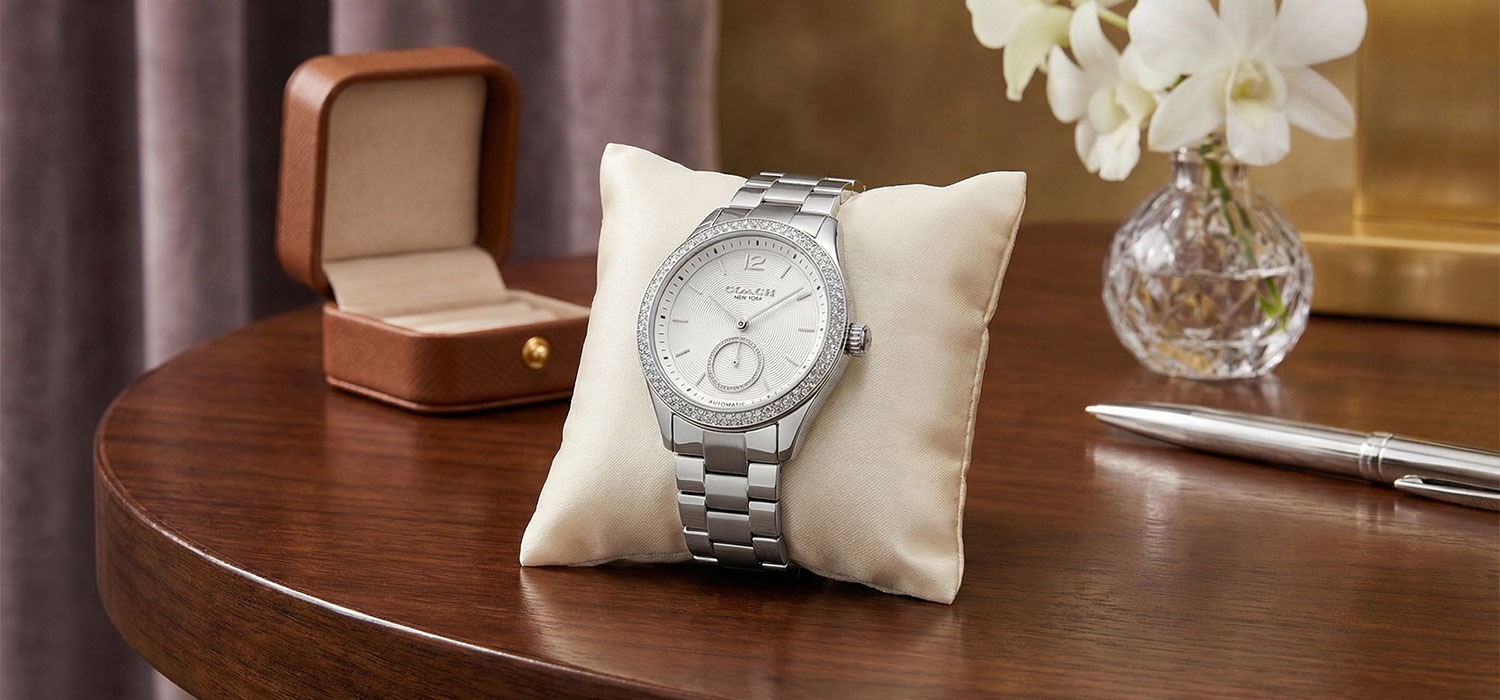
It’s fair to ask- are coach watches good? For most buyers, the answer depends on expectations. Authentic coach watches are designed as stylish, reliable accessories rather than complex collector pieces. When we choose a genuine coach watch, we can expect solid finishing, comfortable wear, and practical functionality suited for daily use. A well-made coach wrist watch should feel balanced on the wrist, with clean dial printing and consistent detailing. These watches are built to complement everyday outfits, office wear, and casual looks without requiring special handling or deep technical knowledge to enjoy.
When to Use Online Watch Authentication and Certified Options
Even when we follow every checklist step, uncertainty can still happen. That’s when online watch authentication becomes valuable. If listing photos are limited, the seller has no history, or the deal seems unusually low, extra verification can prevent later regret. For higher-value purchases, certified watch authentication adds another layer of confidence by providing a structured professional review. This approach strengthens overall watch authentication efforts, especially when buying from unfamiliar sellers. Deciding in advance when to use authentication services helps us avoid pressure tactics and protects us from costly mistakes made in the heat of the moment.
Common Red Flags We Should Not Ignore
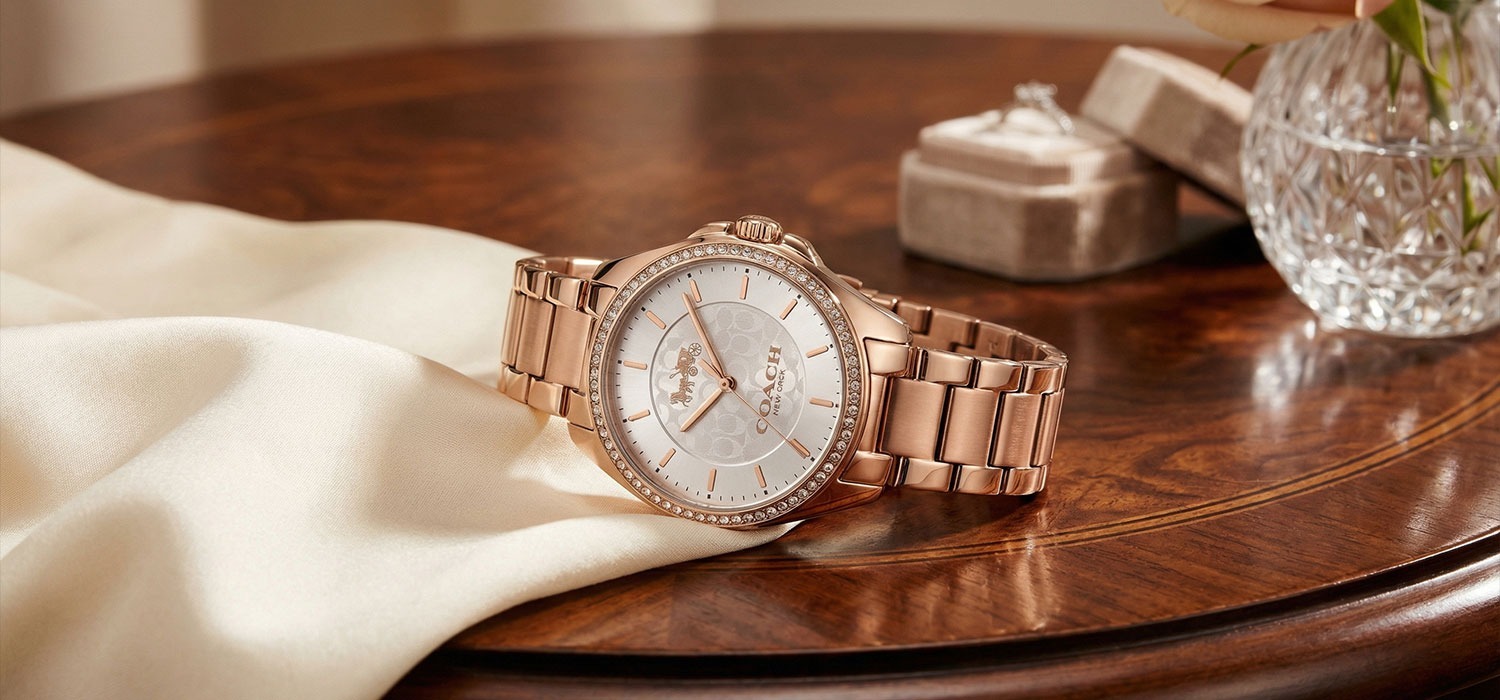
We do not need to assume every listing is fake, but we must recognize patterns that signal risk. If the coach watch price is dramatically lower than comparable listings without explanation, that’s a warning. If the seller avoids showing the case back, refuses additional photos, or uses vague language instead of clearly confirming authenticity, we pause. A legitimate seller should confidently present a coach watch original with transparent details. Inconsistent logo spacing, blurry dial printing, or mismatched specifications also raise concerns. When multiple red flags appear together, the safest move is to walk away and keep searching.
FAQs
How can we tell if a Coach watch is original from photos alone?
We look for crisp logo printing, consistent dial details, clean case finishing, and clear case back engravings. If the seller won’t provide close-ups, it becomes hard to confirm a coach watch's originality, and that is when watch authentication support may be worth using.
Are Coach watches suitable for daily wear?
For most buyers, yes. When people ask if Coach watches are good, we point to wearability, comfort, and consistent finishing on authentic pieces. A well-chosen coach watch can work for daily routines without feeling high-maintenance.
What is a normal Coach watch price online?
A regular coach watch price depends on model, condition, and what is included with the watch. If the coach watch price is dramatically lower than comparable listings, we treat it as a risk and ask for more substantial proof.
Should we use online watch authentication for a Coach watch?
If photos are limited, the seller is new, or the listing feels uncertain, online watch authentication can provide added clarity. For higher confidence, pairing it with certified watch authentication can help when the purchase value is higher.
Do men’s Coach watches differ from women’s models?
Yes. A men's coach watch typically has a larger case and stronger proportions, while coach watches for women often feature slimmer profiles and jewelry-style bracelets. Knowing the category helps us spot proportion errors and finishing inconsistencies.
What details are most commonly wrong on fake Coach watches?
Common issues include uneven logo spacing, fuzzy dial printing, rough case edges, poor plating tone, and unclear case back engravings. These details often separate a fake from a coach watch's original.
Buy With Confidence and Keep It Simple
Buying a designer watch online should feel exciting, not stressful. When we follow a consistent process, we can spot the signs of authenticity, avoid pricing traps, and make decisions with confidence. We start with the seller, we verify the coach watch price against reality, and we inspect the details that counterfeits struggle to replicate. When uncertainty persists, we use online or certified watch authentication as practical tools, not as last-minute panic moves.
If we want a safer, more straightforward way to shop authentic designer timepieces, we can choose Inventory Adjusters. We stock authentic coach watches with clear listings and straightforward condition details, making it easier to find the right coach wristwatch for everyday wear or gifting. Browse Inventory Adjusters when you’re ready to buy a coach watch you can feel confident about from the moment it arrives.
Newest Guide & Blog Updates
What "Water Resistant" Really Means in Daily Use
Most people assume that buying a water resistant watch means they can wear it anywhere in the showe...
Understanding Watch Materials: Stainless Steel, PVD, Gold-Tone Explained
When shopping for watches for men or choosing a timepiece as a gift, the watch material is one of...

Anniversary Gift Ideas- Watches That Feel Luxurious Without the Luxury Price Tag
An anniversary gift should last as long as the occasion it marks. That is why anniversary gift idea...
How to Spot an Authentic Coach Watch Online (Buyer’s Checklist)
Counterfeit listings have gotten better at looking real, so we can no longer rely on a single photo...
Dress Watch vs. Sport Watch vs. Casual Watch: Which One Should You Buy?
When choosing a watch, it’s essential to understand the distinct differences among the types availa...

What Watch Collectors Look for Beyond Brand Names
A watch that truly matters does not need to announce itself with a logo. The moment you hold a well...