
How to Pick the Right Watch for Small, Medium, and Large Wrists
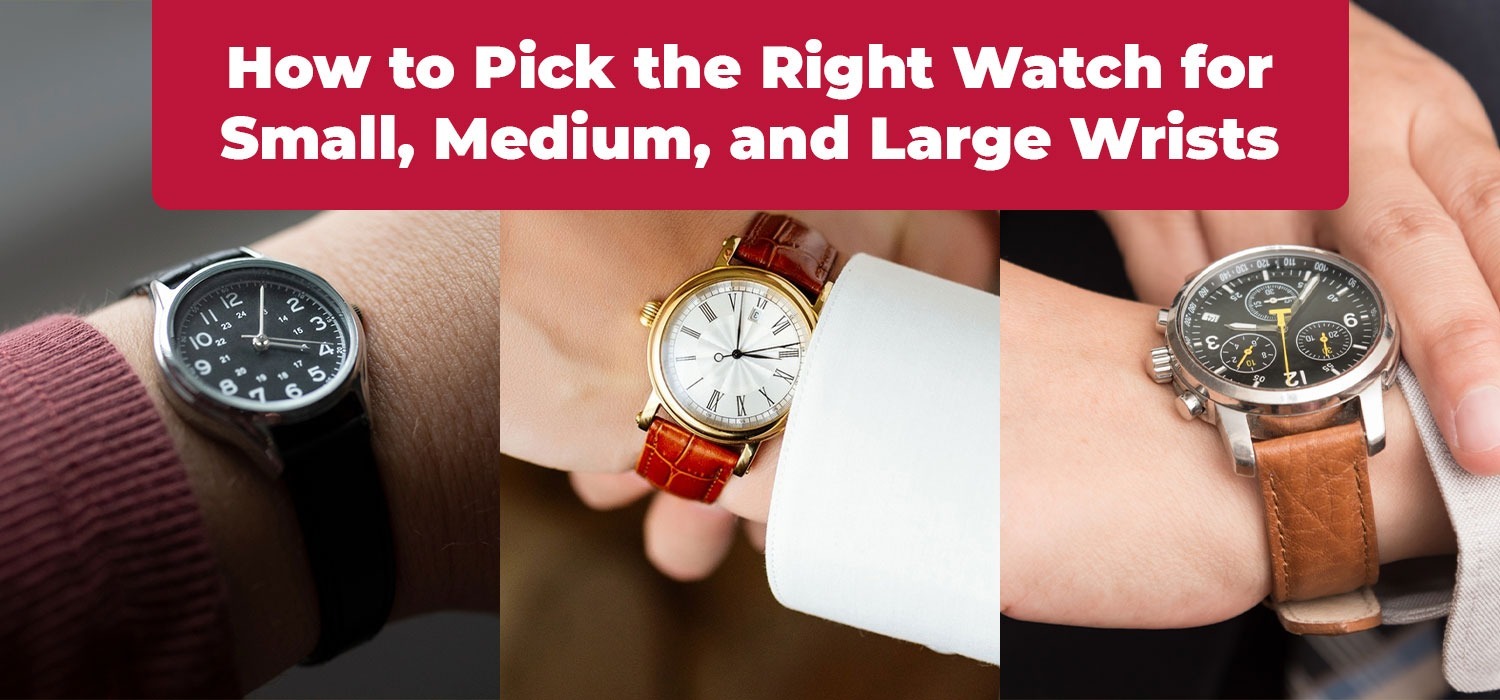
If you want a simple way to choose the right watch, start with your wrist. Measure your wrist just above the bone using a tape, string, or strip of paper. That number indicates the range of case sizes and strap lengths that will fit comfortably without feeling bulky or toy-like.
As a rule, smaller wrists suit smaller, shorter watches, while larger wrists can carry wider cases and broader straps. The proper watch size for wrist fit is the one that does not hang over the edges, feels comfortable after a full day, and looks balanced when you glance down. Once you know your size, it becomes much easier to answer the question, “What size watch should I wear?” and compare models with confidence.
Why Watch Size and Wrist Fit Matter for Everyday Wear
A watch is more than a timekeeper. It is something that sits directly on your skin for hours, so comfort and balance are crucial.
When considering how to choose a watch, imagine how it feels after a full day. If the case is too big or too heavy, the watch will twist, slide, or dig into your wrist. That makes you more likely to leave it in a drawer rather than wear it regularly.
An everyday watch must function in more than one setting. It should feel right at work, on weekends, and at casual events.
The best everyday watch usually sits flat, slides under a sleeve without fighting the fabric, and does not feel like a weight at the end of your arm. Size, thickness, strap width, and balance all work together to create that “forget it is there” feeling that makes a watch easy to wear every day.

How to Measure Your Wrist for a Watch
The following are a few ways in which you can accurately measure and choose the proper watch size-
Tools You Can Use at Home
Before you look at brands or designs, you need one key number- your wrist size. That is the starting point for everything that follows.
The easiest way to learn how to measure wrist size for watch fit is with a soft tape measure. If you don't have one, a strip of paper or a piece of string, along with a ruler, works just as well. You do not need special tools. You only need something flexible and a way to measure it afterward.
Step-by-Step Wrist Measuring Guide
To measure your wrist for a watch, place the tape, paper, or string just above the wrist bone, where a watch usually sits. Wrap it snugly, but not so tight that it presses into the skin. Mark or note the point where it overlaps.
Lay the paper or string flat and measure the length with a ruler. Record this number in millimeters since most watch sizes are listed in millimeters. If you prefer inches, you can still use them and convert later if needed.
Turning Measurements into Wrist Categories
Once you know your wrist size, you can put it into a general category. Slim wrists usually fall on the lower end of the range, medium wrists sit in the middle, and larger wrists sit higher. Exact cutoffs vary, so do not worry about them too much.
What matters is that you have a clear number. That makes it much easier to match your wrist to recommended case sizes, lug-to-lug lengths, and strap widths. It also means questions like “what size watch should I wear?” become easier to answer with logic instead of guesswork.
Watch Size Basics – The Dimensions That Really Matter
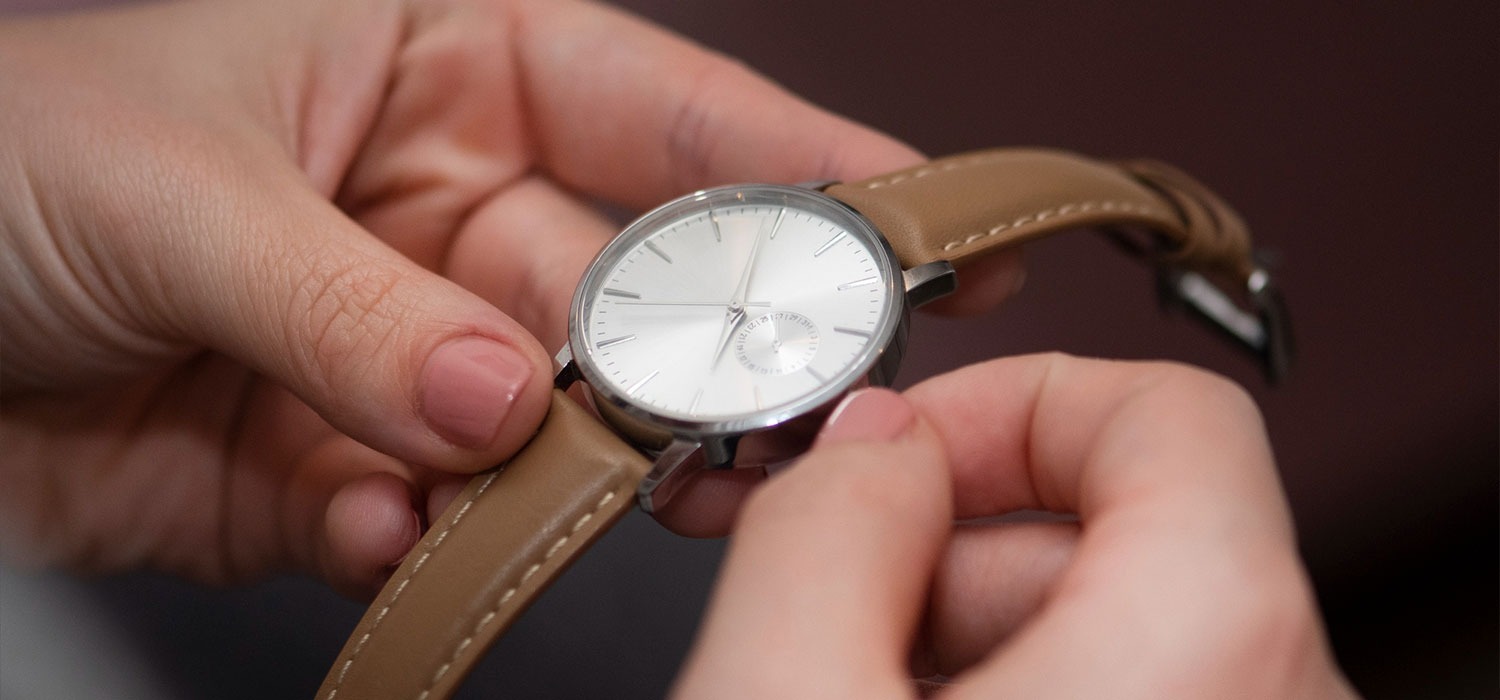
The watch's diameter, shape, and overall thickness significantly influence its practicality, as well as its functionality and comfort. Here’s how you make the right choice-
Case Diameter and How It Changes the Look
Case diameter is the number you see most often when you browse watch listings. It is the width of the case across the dial, usually without the crown.
Dress watches often fall into the mid-thirties in millimeters, while casual or sporty pieces might reach into the forties. The exact diameter can look completely different on two people. A 40 mm case may appear bold on a narrow wrist but totally normal on a bigger wrist. That is why linking the diameter to your wrist size is so important.
Case Thickness and Slim Watches
Case thickness refers to the profile of the watch, measured from the case back to the top of the crystal. A thick watch can feel tall and may struggle to slip under a shirt cuff.
Slim watches, by contrast, tend to hug the wrist more closely. They are often easier to wear with dress shirts or suits and are especially nice if your wrists are small or you prefer a subtle look. Lug-to-Lug Distance and Lug Shape
The lugs are the “arms” that hold the strap or bracelet in place. The lug-to-lug distance is the length from the tip of one lug to the tip of the opposite lug.
This measurement is crucial for watches designed for small wrists and those intended for thin wrists. Even a modest diameter can feel too big if the lug-to-lug distance is long and the lugs are straight. When that happens, the lugs hang over the sides of the wrist.
Strap Width and Taper
Strap width is measured at the point where the strap meets the case. Many watches use a rough ratio between case size and strap width, such as a 40 mm watch with a 20 mm strap.
If the strap is too wide for a small wrist, it can appear heavy and out of proportion. If it is too narrow on a large wrist, it can make the watch look smaller or less substantial. A well-matched strap width and gentle taper toward the buckle help create a proper watch size that suits both the wrist and the strap together.
Matching Watch Size to Small, Medium, and Large Wrists
Make a statement with your choice of watch when you select the most complementary style as per your wrist width-
Watches for Small and Thin Wrists
For smaller or slimmer wrists, the first goal is to avoid overhang. Watches for small wrists typically sit at the lower end of the diameter range and utilize shorter lug-to-lug distances. That helps the watch fit neatly within the outline of the wrist. If you are looking for watches for thin wrists, case thickness is also a consideration. Slim watches with a compact diameter and shorter lugs are often a good choice.
Watches for Medium Wrists
Medium wrists are often the easiest to fit. You can choose from a broad band of sizes without things looking too big or too small. If you prefer a dressy style, select slightly smaller cases and slimmer profiles. If you like sport or tool pieces, you can go a bit larger for a bold look, as long as the lug-to-lug distance stays within the top and bottom edges of your wrist.
Watches for Large Wrists
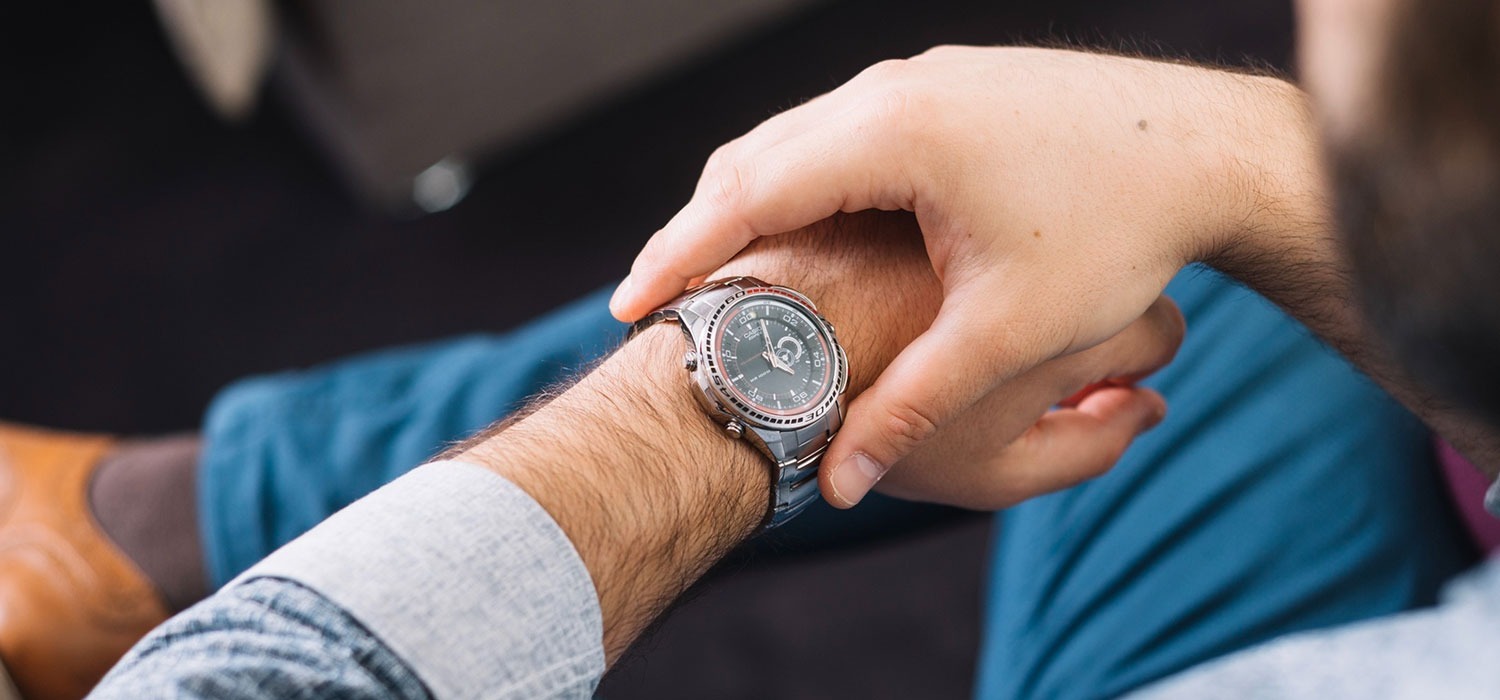
Watches for large wrists can be comfortably adjusted in case size and strap width. Bigger wrists often look balanced with larger cases, wider straps, and dials with more presence. Even so, it is still possible to go too far. If a watch resembles a small clock or feels uncomfortably heavy, it may be too large for daily wear.
Watch Band Sizing and Size Charts for Men and Women
The following are ways to read a watch size chart for men and women-
How Watch Band Length Affects Fit
Even if the case size is perfect, a band that is too short or too long can ruin the fit. A short strap forces you onto the last hole and cuts into the skin. A long strap leaves extra length flapping around or bunching under keepers.
Bracelets add another detail. They rely on removable links and clasp adjustments. If you cannot size them correctly, the watch will either slide all over your wrist or clamp down uncomfortably.
Reading a Watch Band Sizing Chart
This is where a watch band sizing chart comes in handy. These charts usually list wrist measurements alongside recommended strap lengths.
You simply match your wrist size to the band length suggested in the chart. This helps you avoid extremes and land near the middle of the adjustment range, allowing you to make slight adjustments to tighten or loosen. It is beneficial when buying straps or watches online, where you cannot try them on before ordering.
Men’s and Women’s Watch Size Charts
You will often see separate guides, such as a men’s watch size chart and a women's watch size chart. These charts typically suggest standard case size ranges and strap lengths for each group.
In practice, there is considerable overlap. Many designs are unisex, allowing anyone to wear a size that fits and feels right. Treat these charts as general guides rather than strict boundaries. They serve as valuable reference points, not hard-and-fast rules.
How to Use a Watch Size Chart Before You Buy
A watch size chart typically consolidates several key details. It links wrist circumference to case diameter, strap width, and sometimes even recommended thickness ranges.
To use it, measure your wrist, then check which case sizes and strap widths match your measurement. After that, look at lug-to-lug distance and thickness to fine-tune your choice. This straightforward process eliminates guesswork, providing a clear, step-by-step approach to selecting a watch that fits well.
Common Mistakes When Choosing Watch Size and How to Avoid Them
The following are common mistakes that you must avoid when choosing a watch-
Ignoring Lug-to-Lug and Only Checking Case Diameter
One of the biggest mistakes is focusing only on the case diameter. People see a number they like and stop there.
However, lug-to-lug distance can change everything. A modest diameter with long, straight lugs can wear larger than a bigger case with short, curved lugs. If the lugs hang over the edges of your wrist, the watch will always look and feel too big.
Choosing a Watch That Feels Uncomfortable After an Hour
Another standard error is judging comfort only by the first few minutes. A heavy or thick watch can feel fine at first, then gradually become tiring or annoying.
Before you commit, picture yourself typing on a keyboard, driving, or resting your arm on a table. If the crown or case edges press into your skin in those positions, it might not be the right choice for full-day wear.
Forgetting to Match the Watch to Your Daily Wardrobe
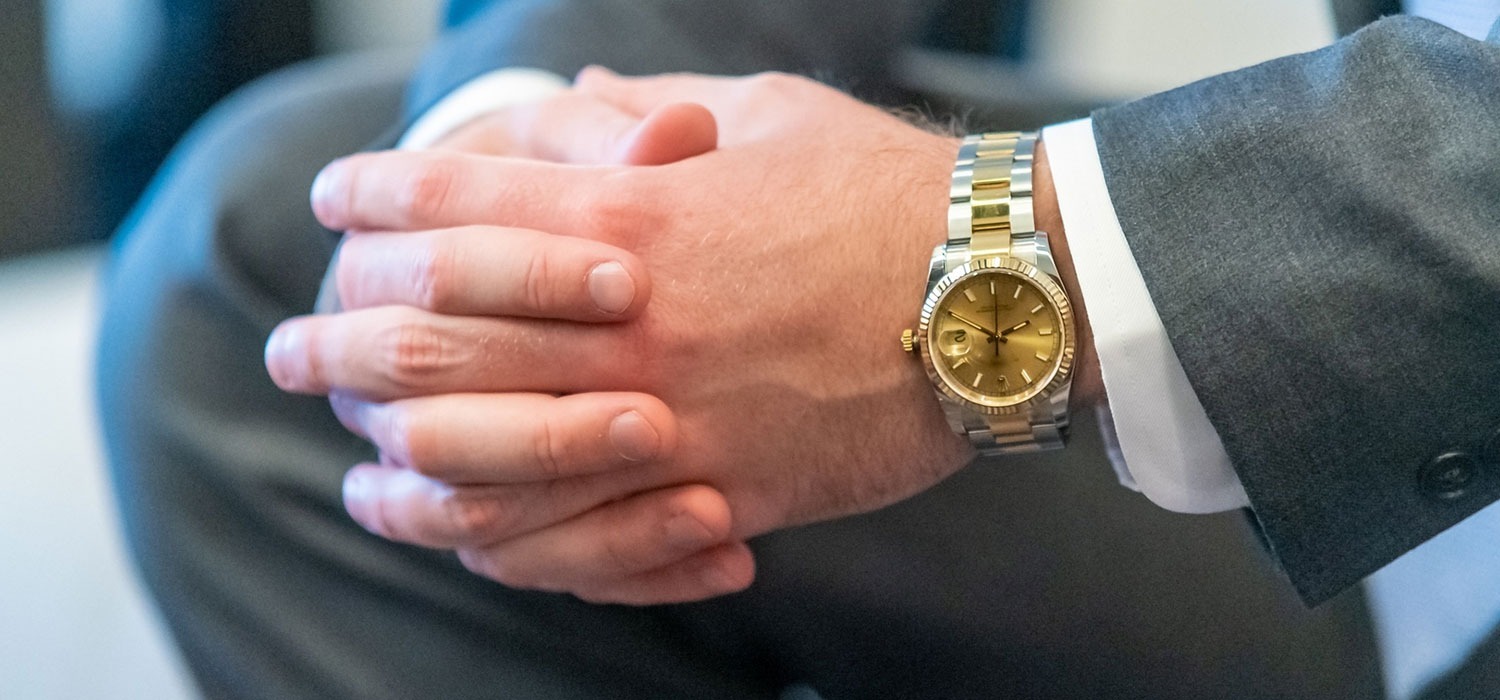
Size does not exist in a vacuum. A huge diver under a tight dress shirt cuff will constantly fight the fabric. A tiny dress piece may look out of place if you spend most of your time in sportswear.
When you consider the proper watch size for your wrist and outfit together, you avoid that clash. Your watch then becomes something you reach for automatically, because it seamlessly integrates with your style and lifestyle.
Wrapping Up
Finding the correct watch size is only half the story. The next step is choosing a piece that feels good every time you put it on. Inventory Adjusters makes it easier with a wide range of brand-name watches, styles, and price points so that you can match your wrist, wardrobe, and budget in one place. Whether you lean toward slim dress pieces or bolder sport designs, you will find plenty of options to compare. Visit Inventory Adjusters today to pick a watch that fits your wrist correctly and feels like it truly belongs on your arm.
FAQs
1. How do I determine the correct size watch to wear?
Start by measuring your wrist where the watch will sit. Write down that number, then compare it with basic guidelines or a watch sizes chart that links wrist measurements to case diameters and strap widths. From there, measure the lug-to-lug distance to ensure the watch stays within the top and bottom edges of your wrist. If it feels comfortable for a full hour and looks balanced when you glance down, you have likely found the right size range.
2. How can I measure my wrist for a watch at home without special tools?
You can do this with items you already have on hand. Cut a thin strip of paper or use a length of string, wrap it around your wrist just above the bone, and mark where it overlaps. Lay it flat next to a ruler and note the length. That is all you need to follow brand guides on how to measure wrist size for watch fit and to compare your measurement with online size charts before making a purchase.
3. Are slim watches always better for small or thin wrists?
Slim watches are often an intense match for small or thin wrists, as they sit closer to the skin and slide easily under sleeves. They also feel lighter during extended wear. That said, they are not the only answer. Some compact sport or field watches can also look great as long as the diameter, lug-to-lug distance, and strap width stay in proportion to your wrist.
4. Do men’s and women’s watch size charts differ a lot?
A men’s watch size chart often lists larger case sizes and longer straps, since it is based on average male wrist sizes. A watch size chart for women usually lists slightly smaller cases and shorter bands. In reality, there is plenty of overlap. Many modern designs are unisex, and the best approach is to treat these charts as guidelines rather than strict rules. Focus on what fits your wrist nicely and suits your style, rather than labels on the page.
Newest Guide & Blog Updates

Anniversary Gift Ideas- Watches That Feel Luxurious Without the Luxury Price Tag
An anniversary gift should last as long as the occasion it marks. That is why anniversary gift idea...

How to Spot an Authentic Coach Watch Online (Buyer’s Checklist)
Counterfeit listings have gotten better at looking real, so we can no longer rely on a single photo...

Dress Watch vs. Sport Watch vs. Casual Watch: Which One Should You Buy?
When choosing a watch, it’s essential to understand the distinct differences among the types availa...

What Watch Collectors Look for Beyond Brand Names
A watch that truly matters does not need to announce itself with a logo. The moment you hold a well...

How to Verify Watch Authenticity When Buying Online
Buying a watch online can be both exciting and nerve-racking at the same time. You have access to t...
How to Choose the Right Watch Based on Your Lifestyle and Daily Use
Your watch should feel like part of your routine, not a small burden you keep adjusting all day. If...